Outfits
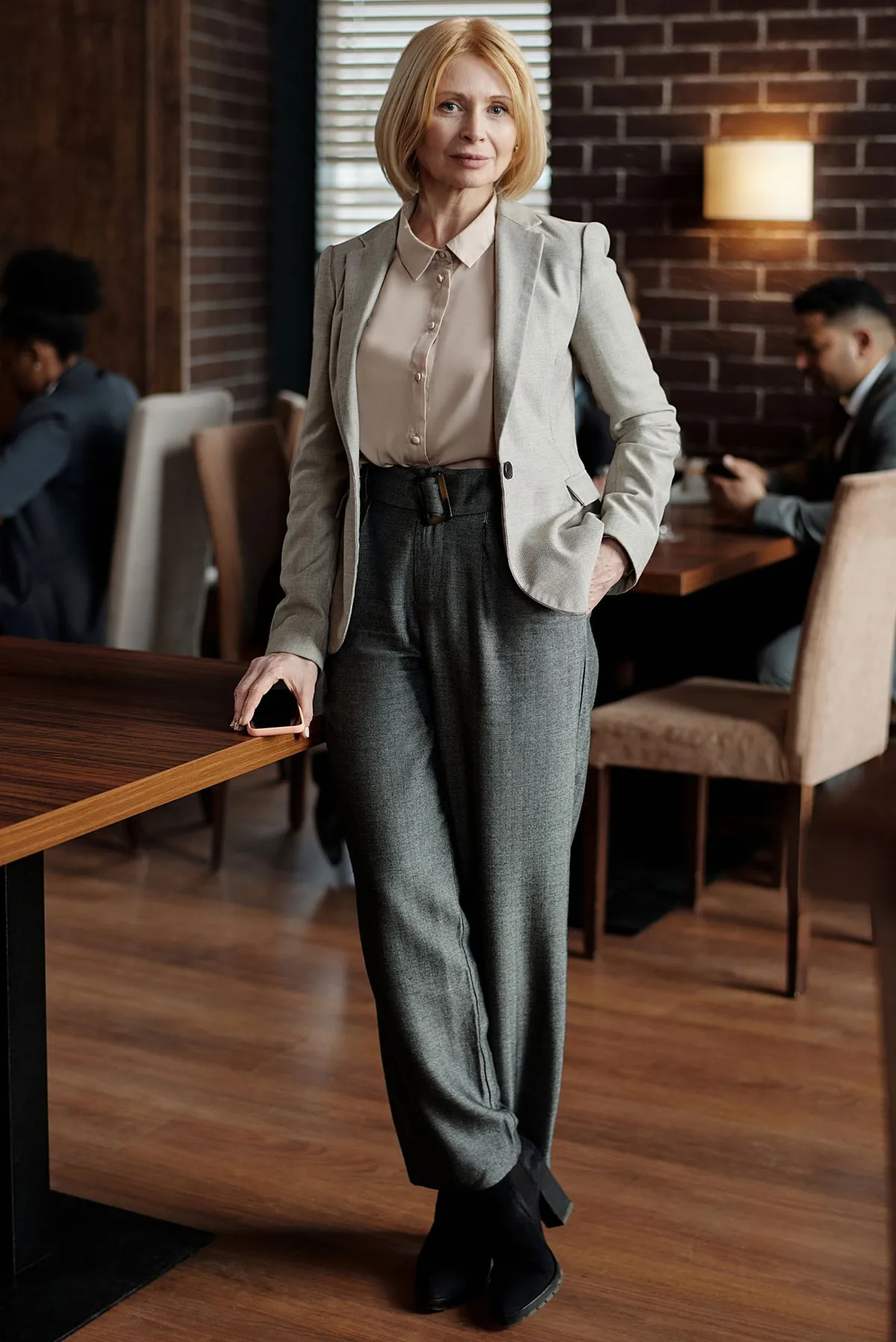
How to Dress for a Work Presentation Without Buying a Suit
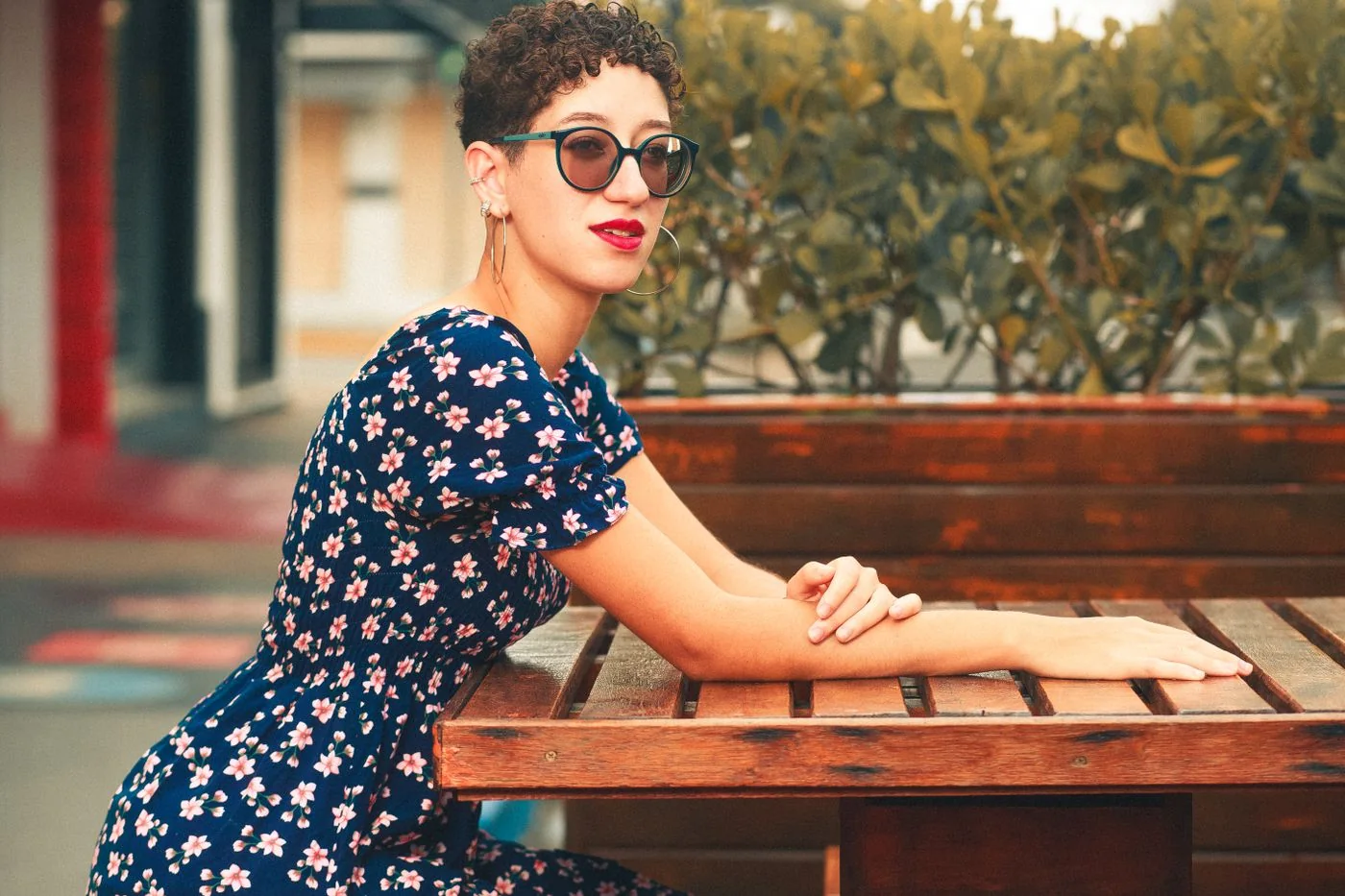
Use fit, contrast and a reliable outer layer to build a presentation outfit from the clothes you already know.
Everyday, considered
Outfit ideas for workdays, weekends and the plans in between.
Use fit, contrast and a reliable outer layer to build a presentation outfit from the clothes you already know.
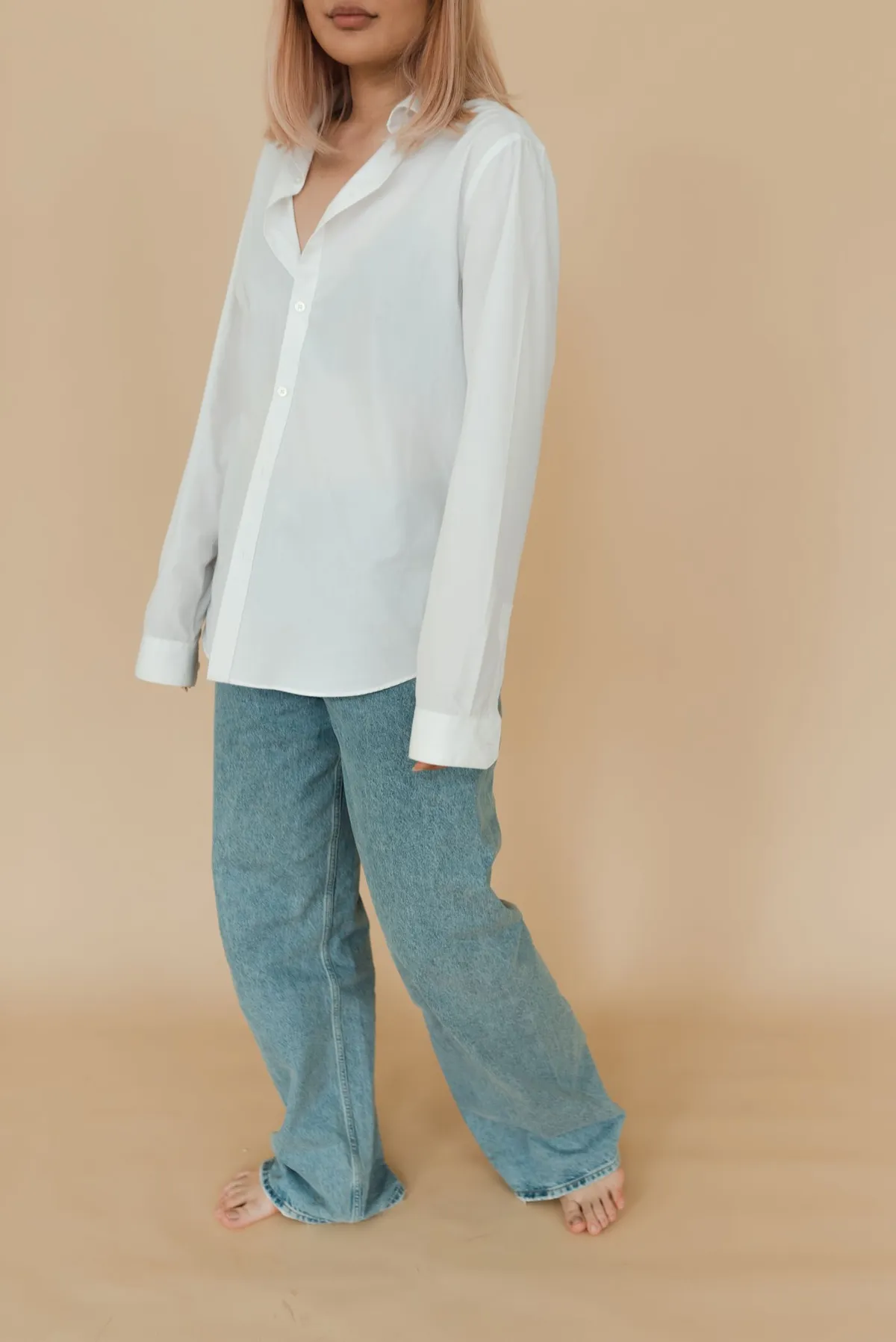
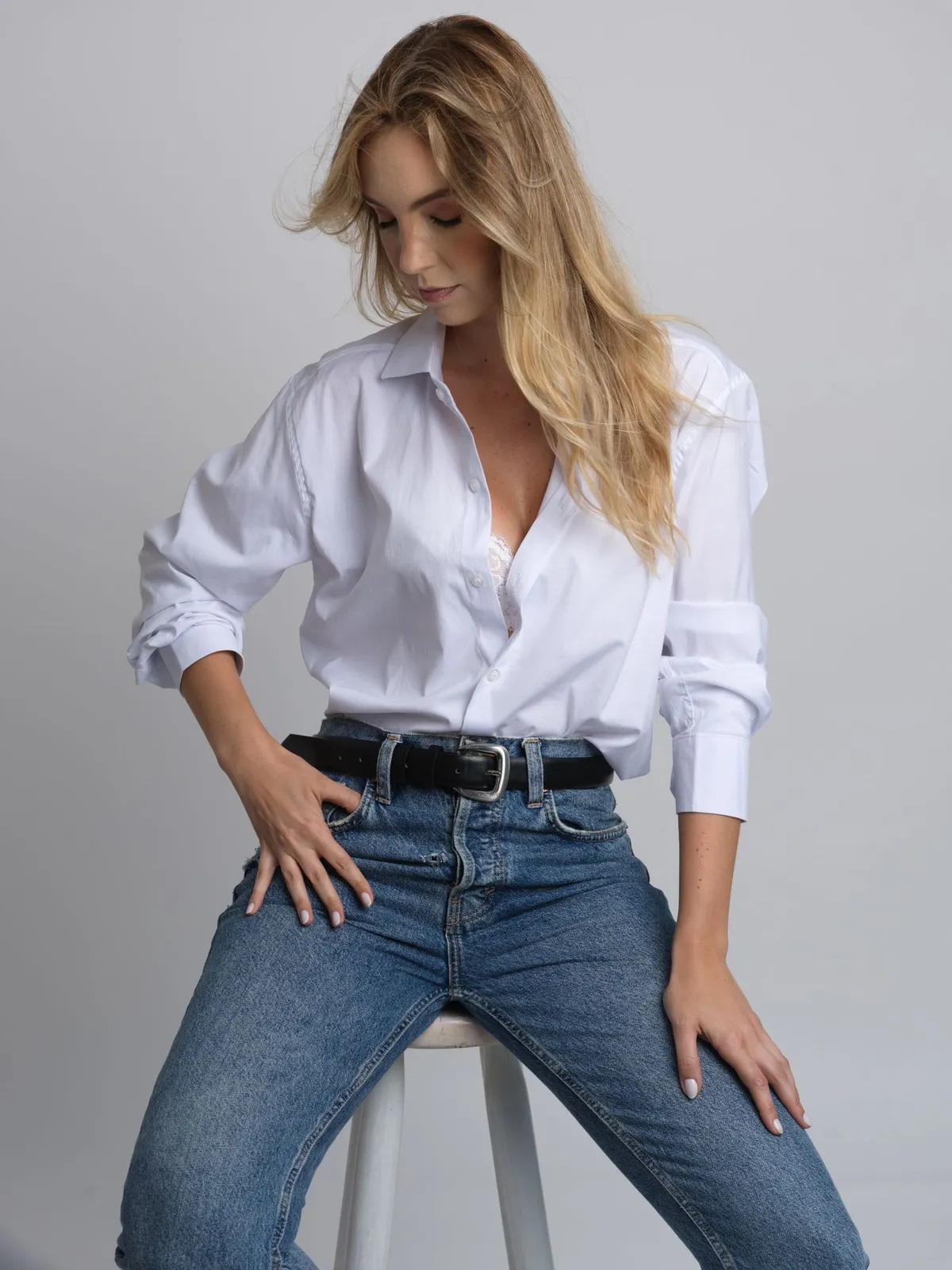
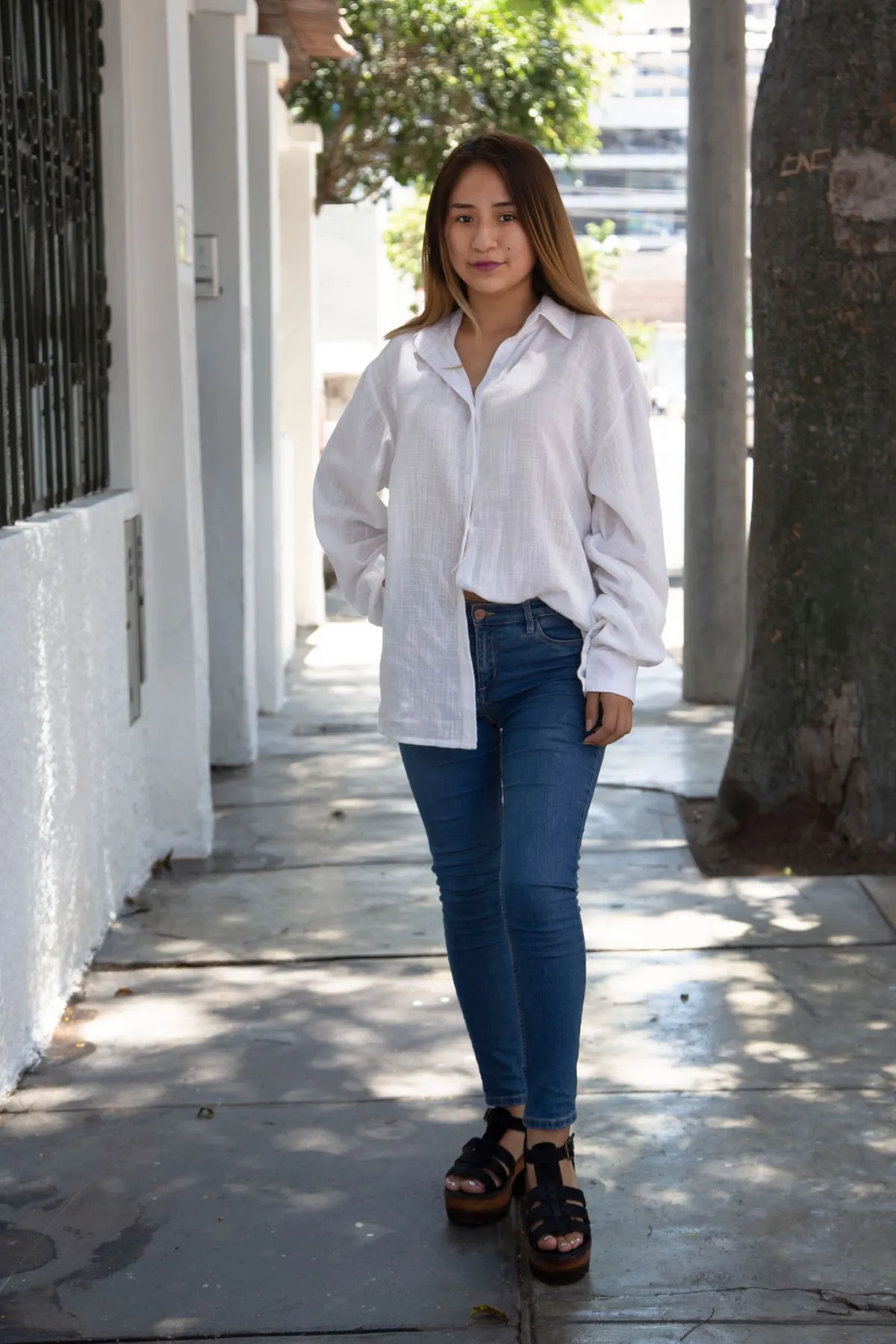
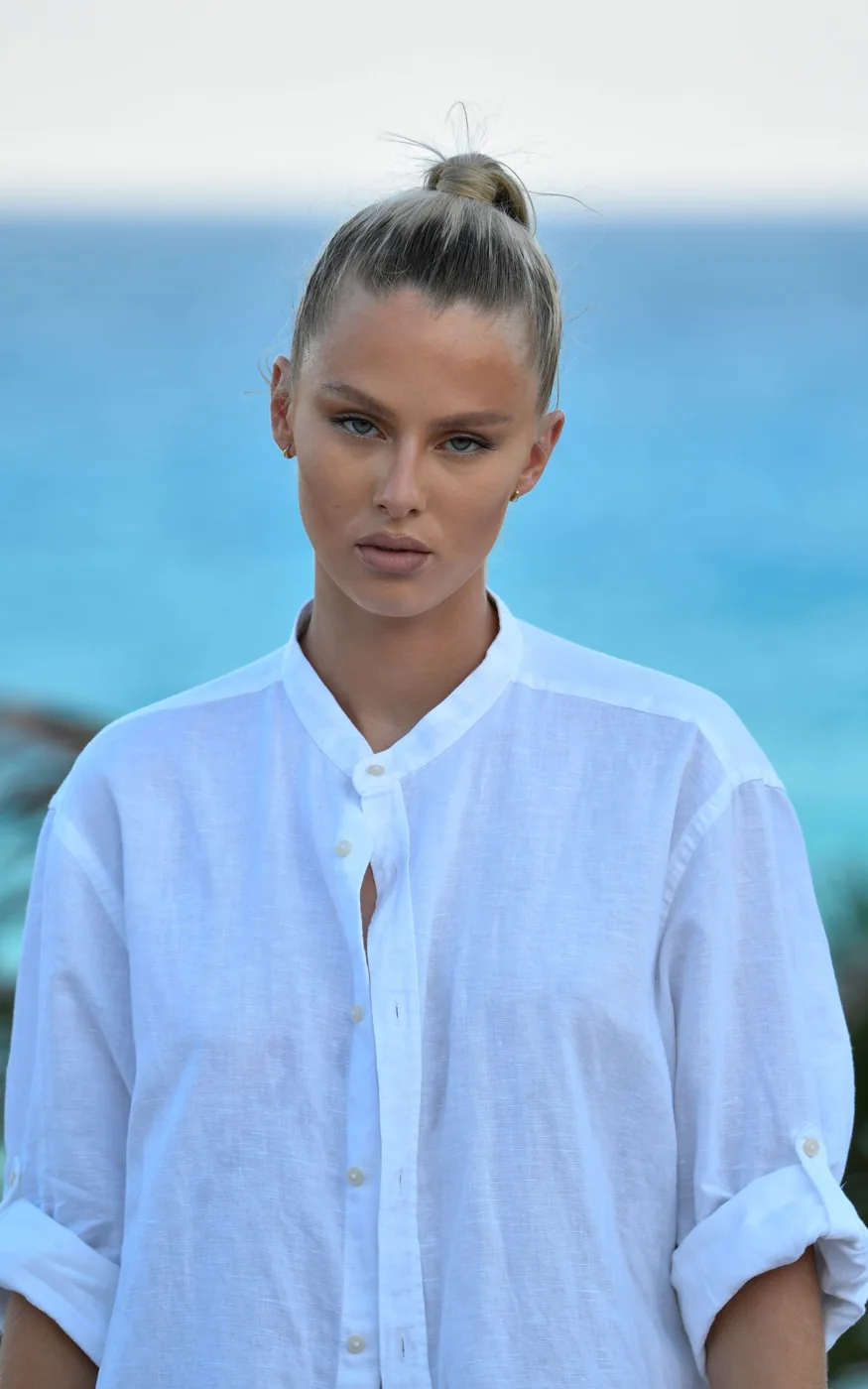
Seven practical combinations that change the mood of a white shirt, from a weekday desk to a relaxed Sunday lunch.
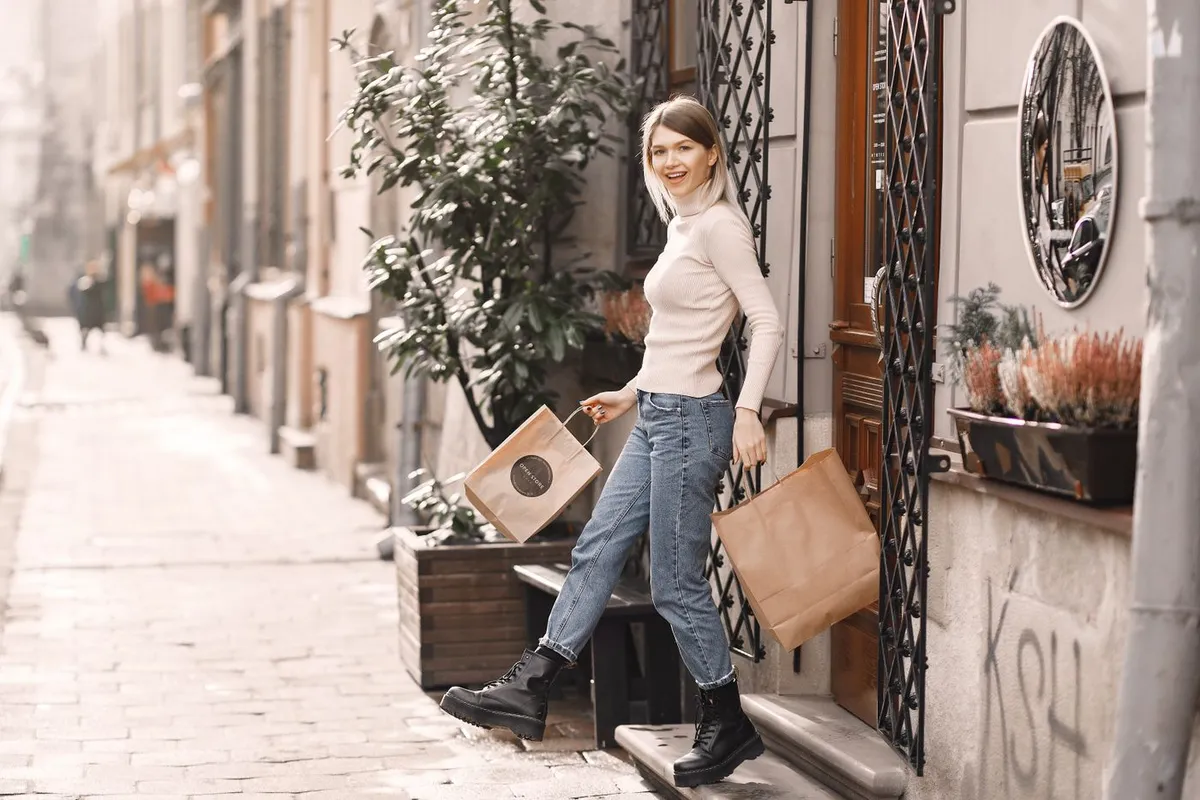
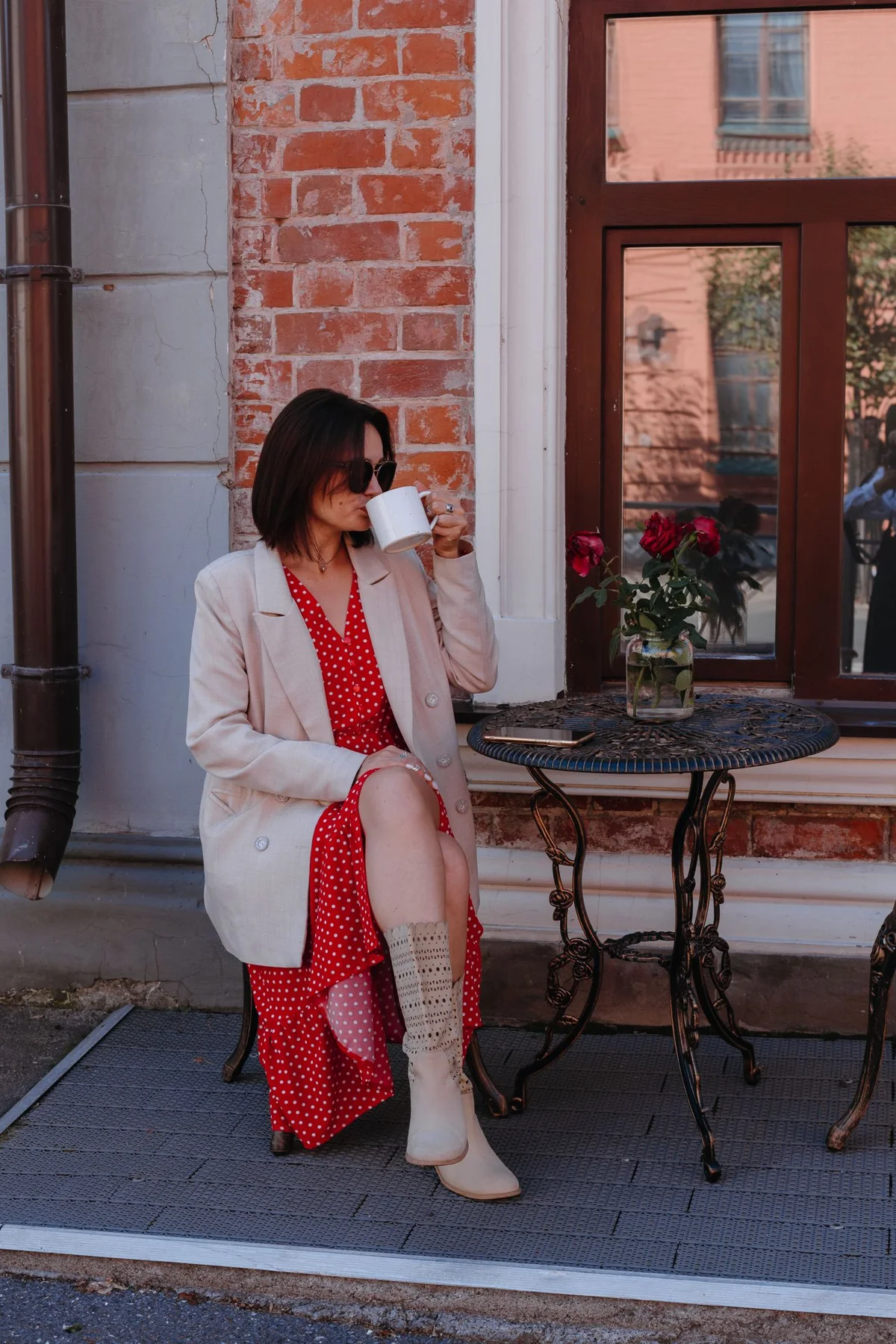
A comfortable outfit for groceries, a coffee stop and a long list of small tasks, using everyday clothes you can move in.
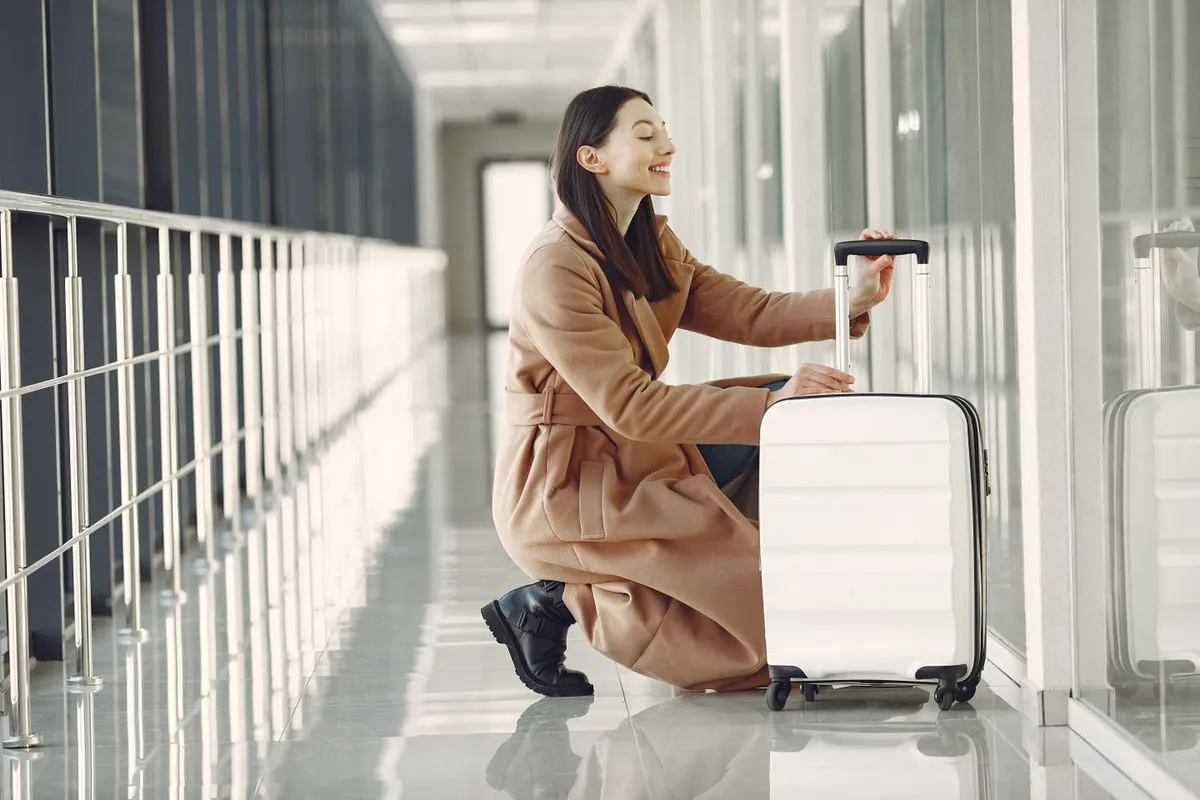
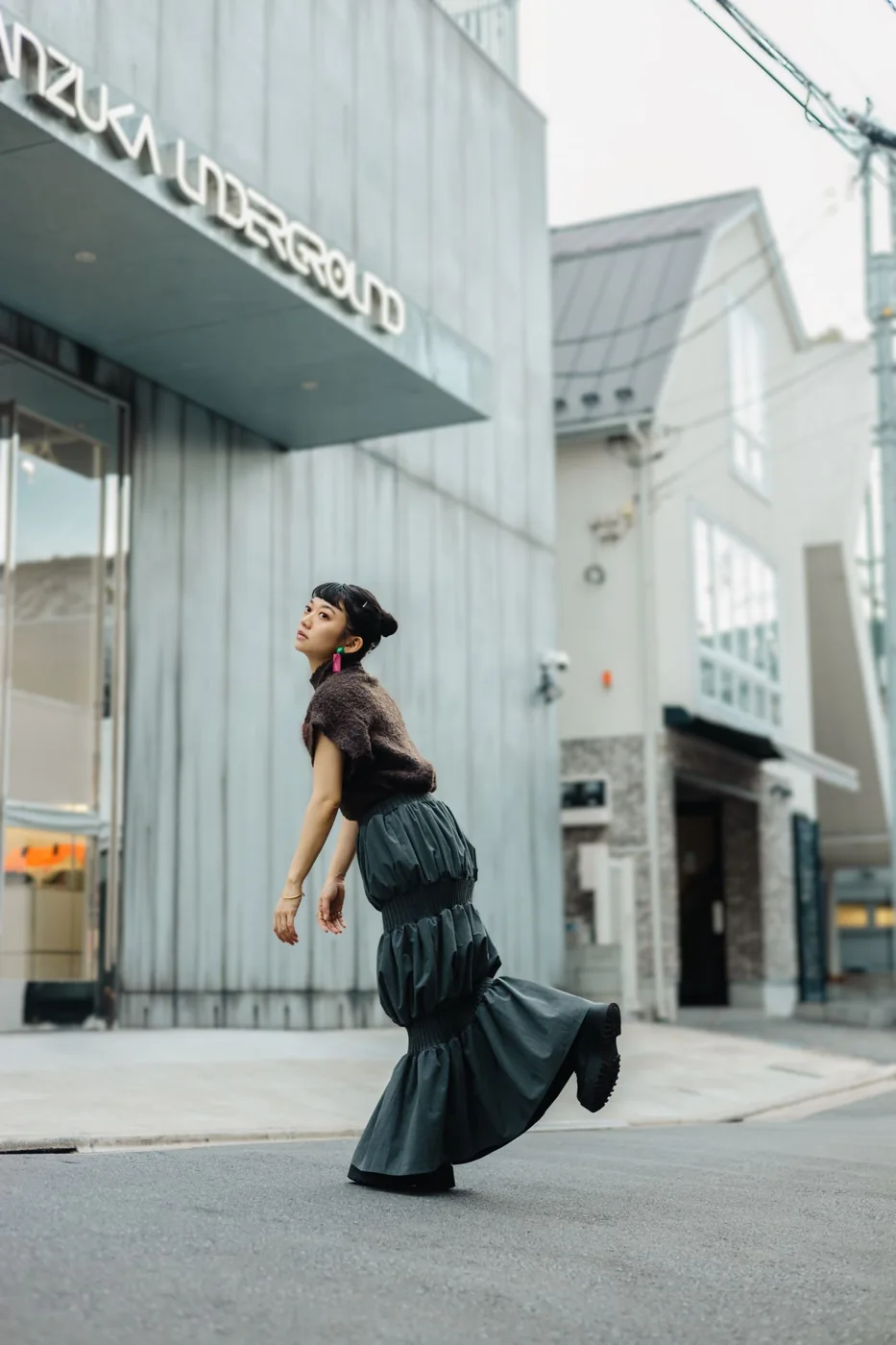
Build a small city-break wardrobe around repeatable layers, comfortable walking shoes and the plans on your itinerary.
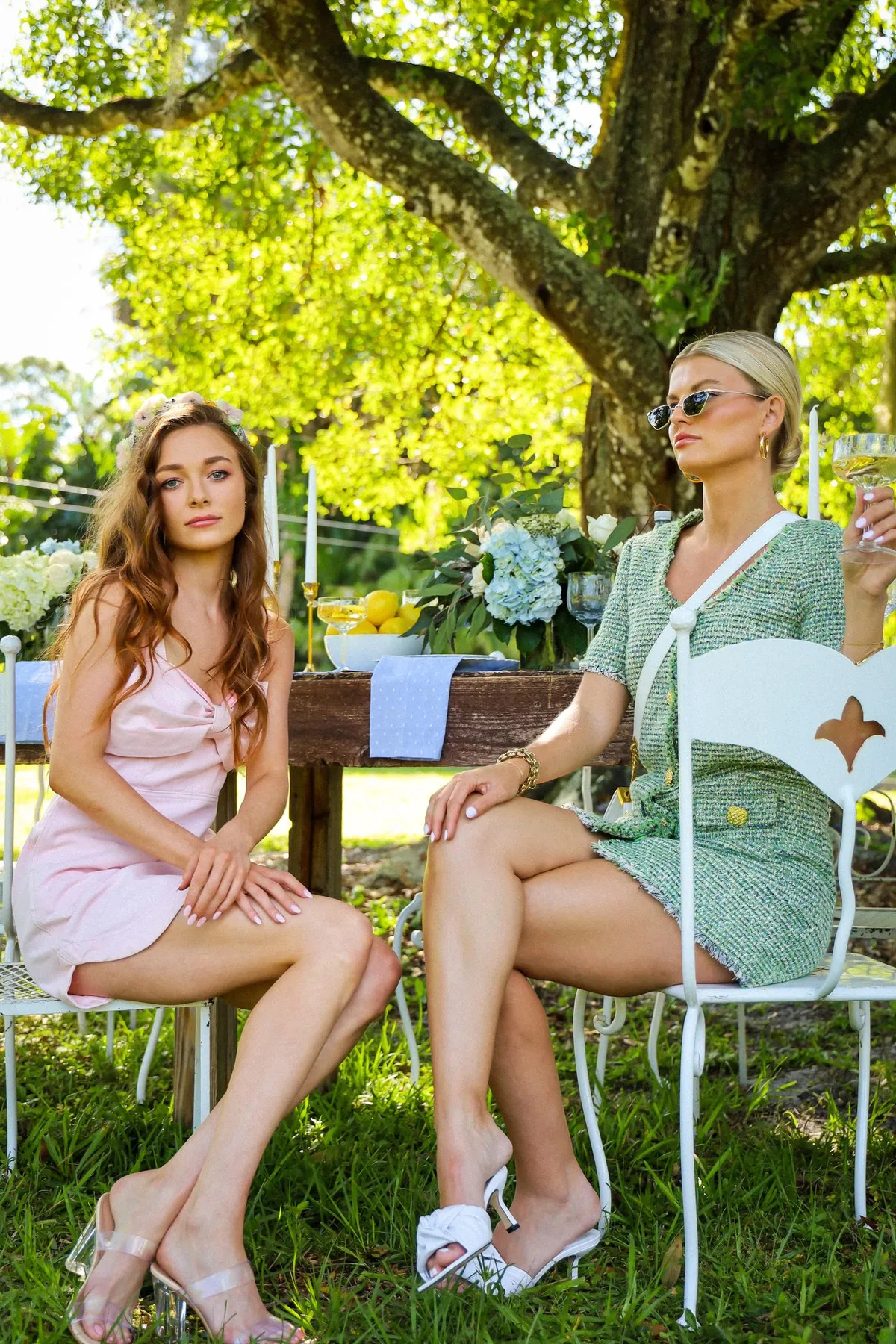
An easy dinner outfit built from a dependable base, one deliberate detail and shoes suited to the evening.
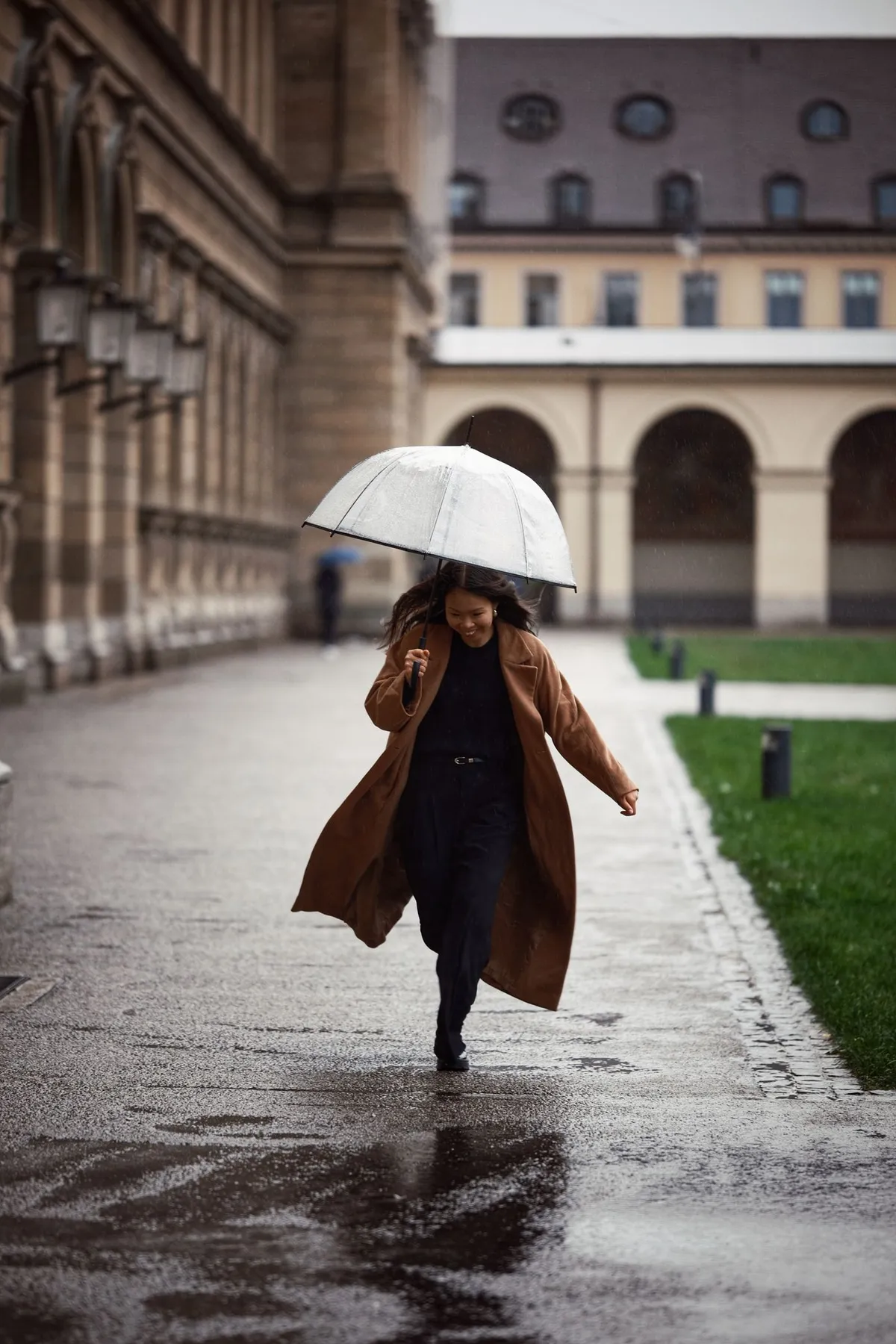
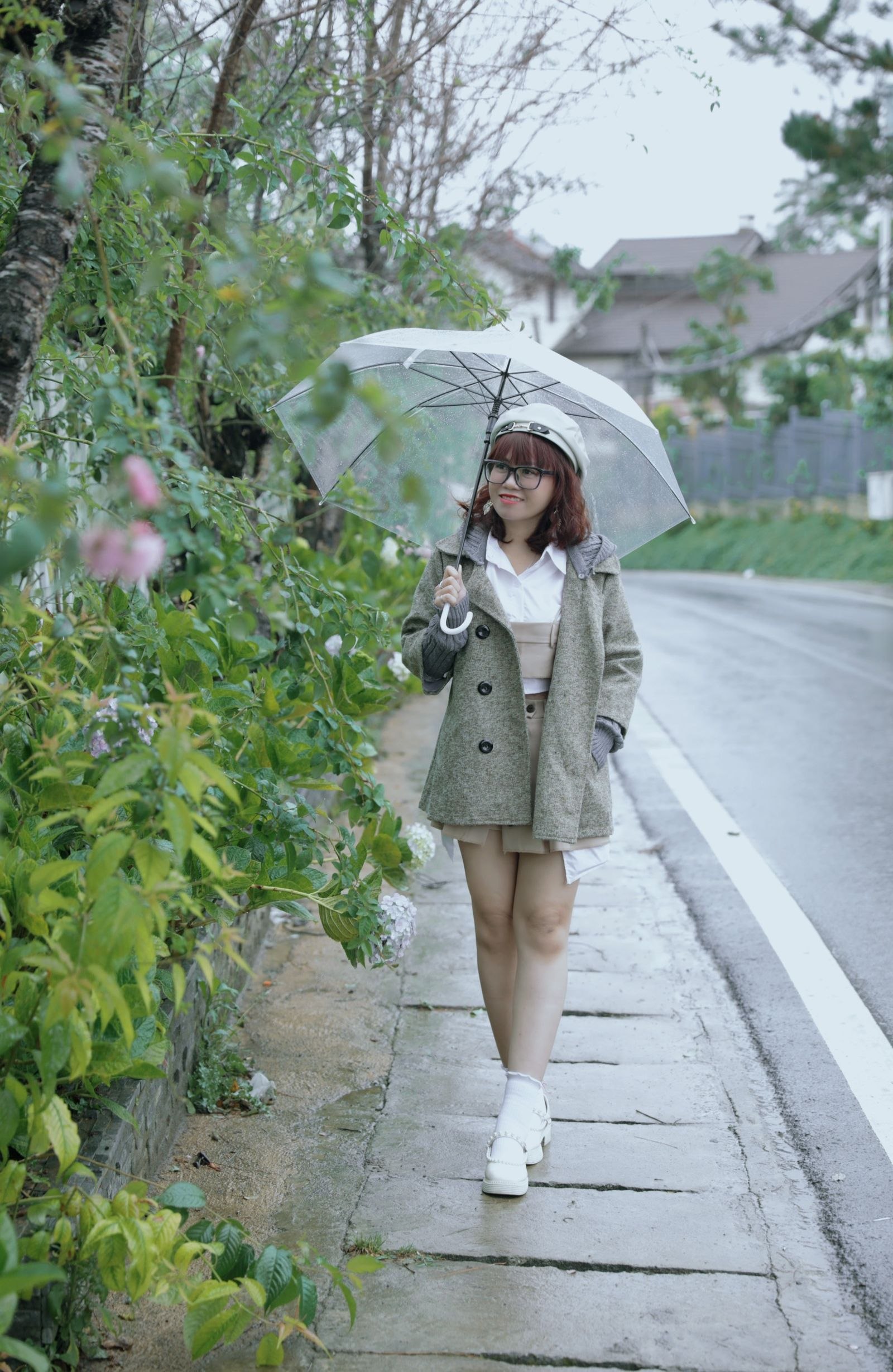
A practical formula for wet sidewalks, a warm office and the awkward hour between the two.
Use fit, contrast and a reliable outer layer to build a presentation outfit from the clothes you already know.
Seven practical combinations that change the mood of a white shirt, from a weekday desk to a relaxed Sunday lunch.
Use fit, contrast and a reliable outer layer to build a presentation outfit from the clothes you already know.
Seven practical combinations that change the mood of a white shirt, from a weekday desk to a relaxed Sunday lunch.
A comfortable outfit for groceries, a coffee stop and a long list of small tasks, using everyday clothes you can move in.
Build a small city-break wardrobe around repeatable layers, comfortable walking shoes and the plans on your itinerary.
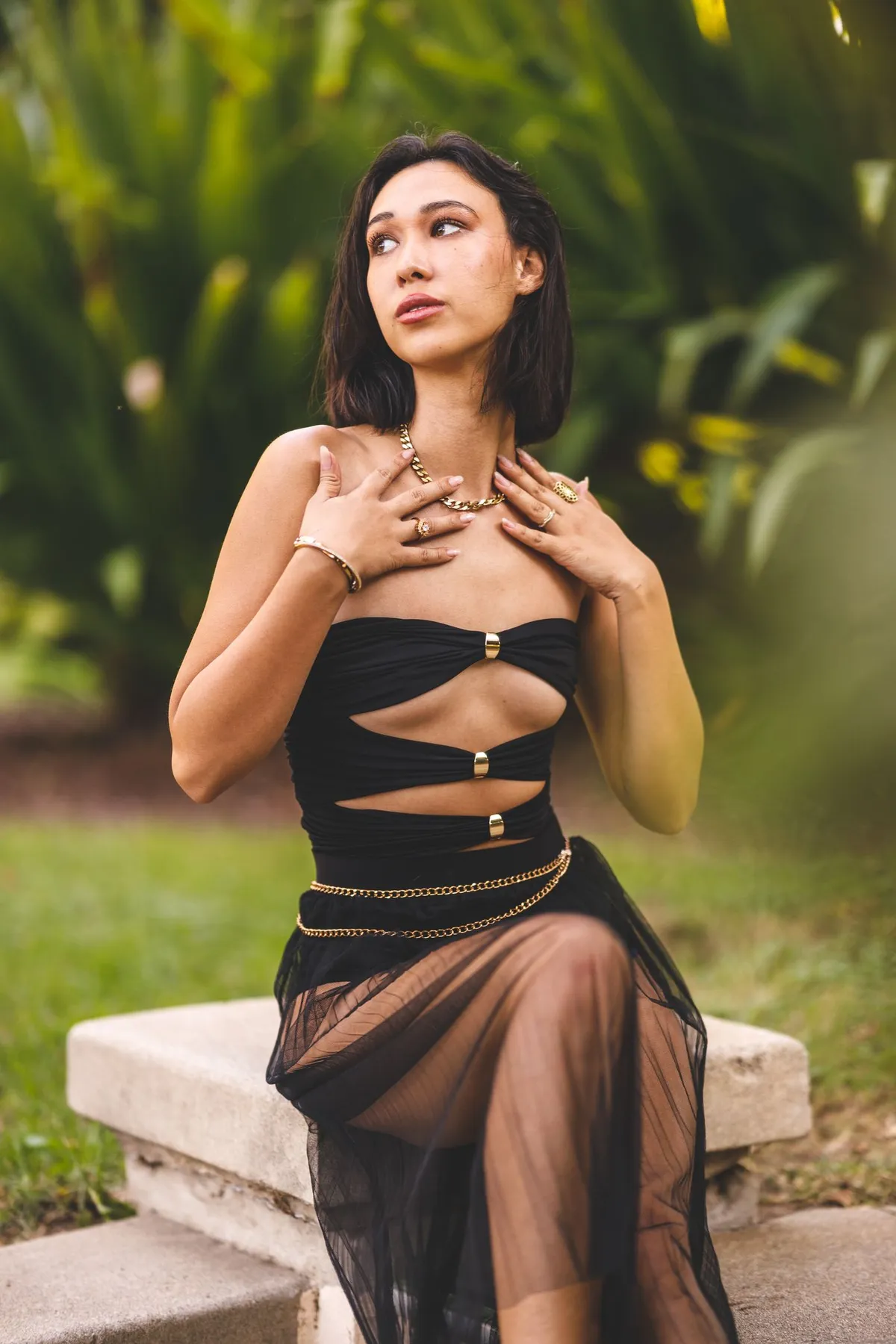
An easy dinner outfit built from a dependable base, one deliberate detail and shoes suited to the evening.
A practical formula for wet sidewalks, a warm office and the awkward hour between the two.
Dress for the invitation, the ground under your feet and a change in temperature before choosing the finishing details.
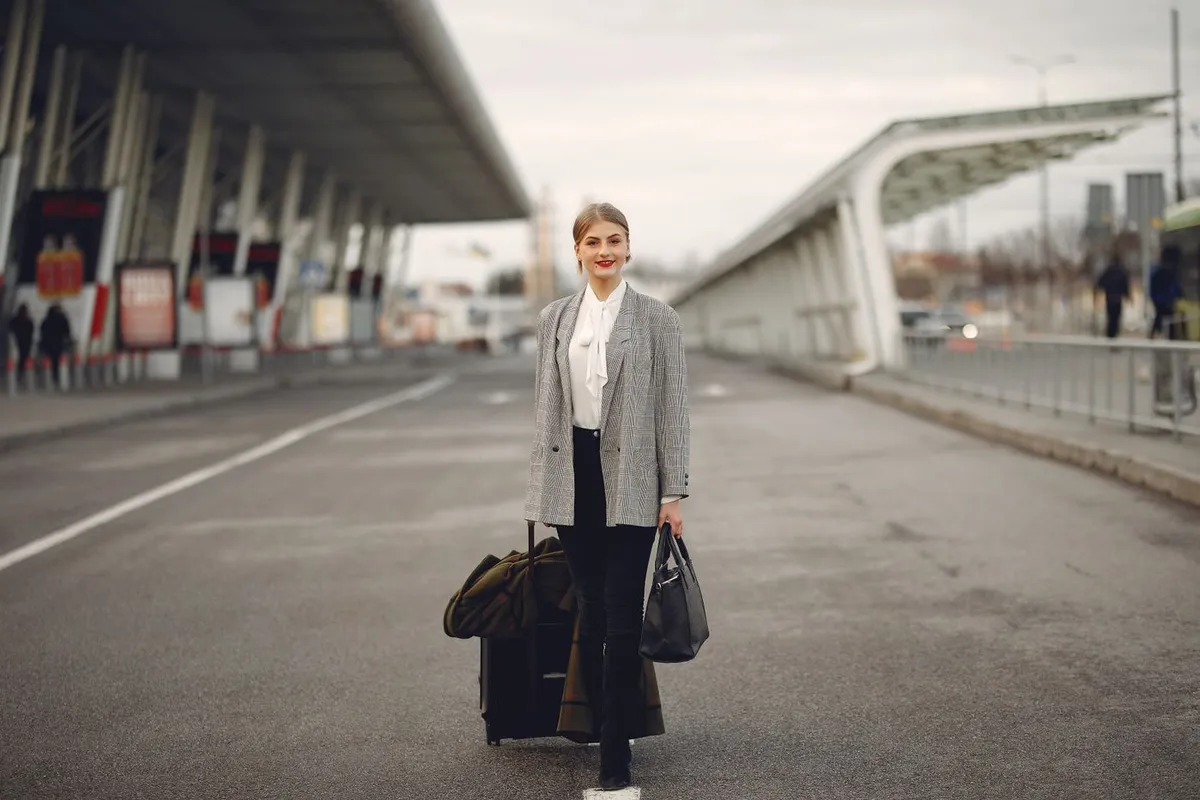
Layering and fit decisions for a long travel day, from a warm departure lounge to a cool cabin and a different forecast on arrival.
A straight-leg denim base that can carry a relaxed morning and an evening plan with a few deliberate adjustments.
A practical way to make denim work for meetings, desk time and the commute without turning your office outfit into a costume.
Try knit cuffs beneath the actual coat sleeve, checking comfortable movement and the garment’s intended design rather than a fixed amount of visible fabric.
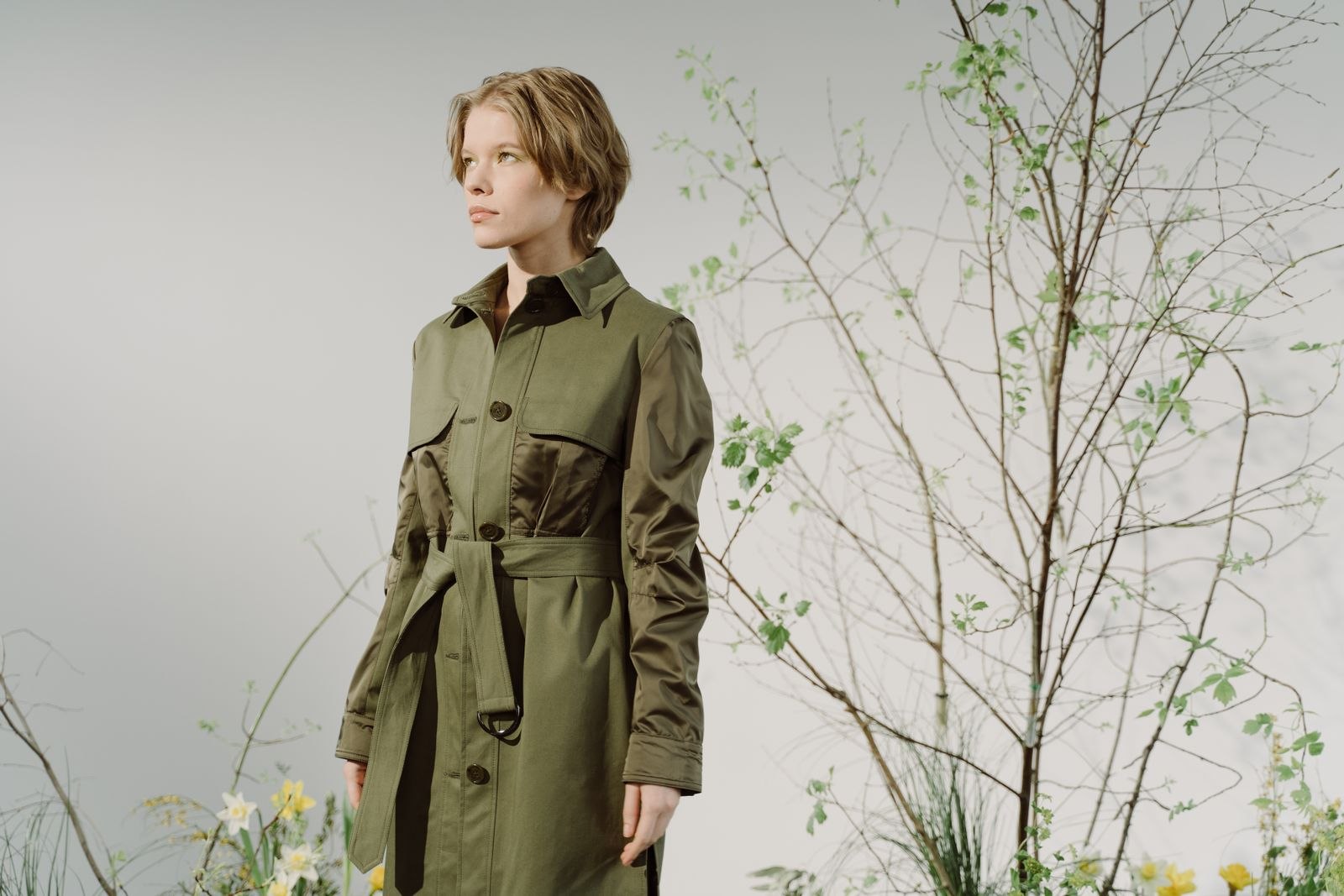
Compare shirt collars beneath an existing green coat using the actual fit, closure and ordinary movement of the complete outfit.
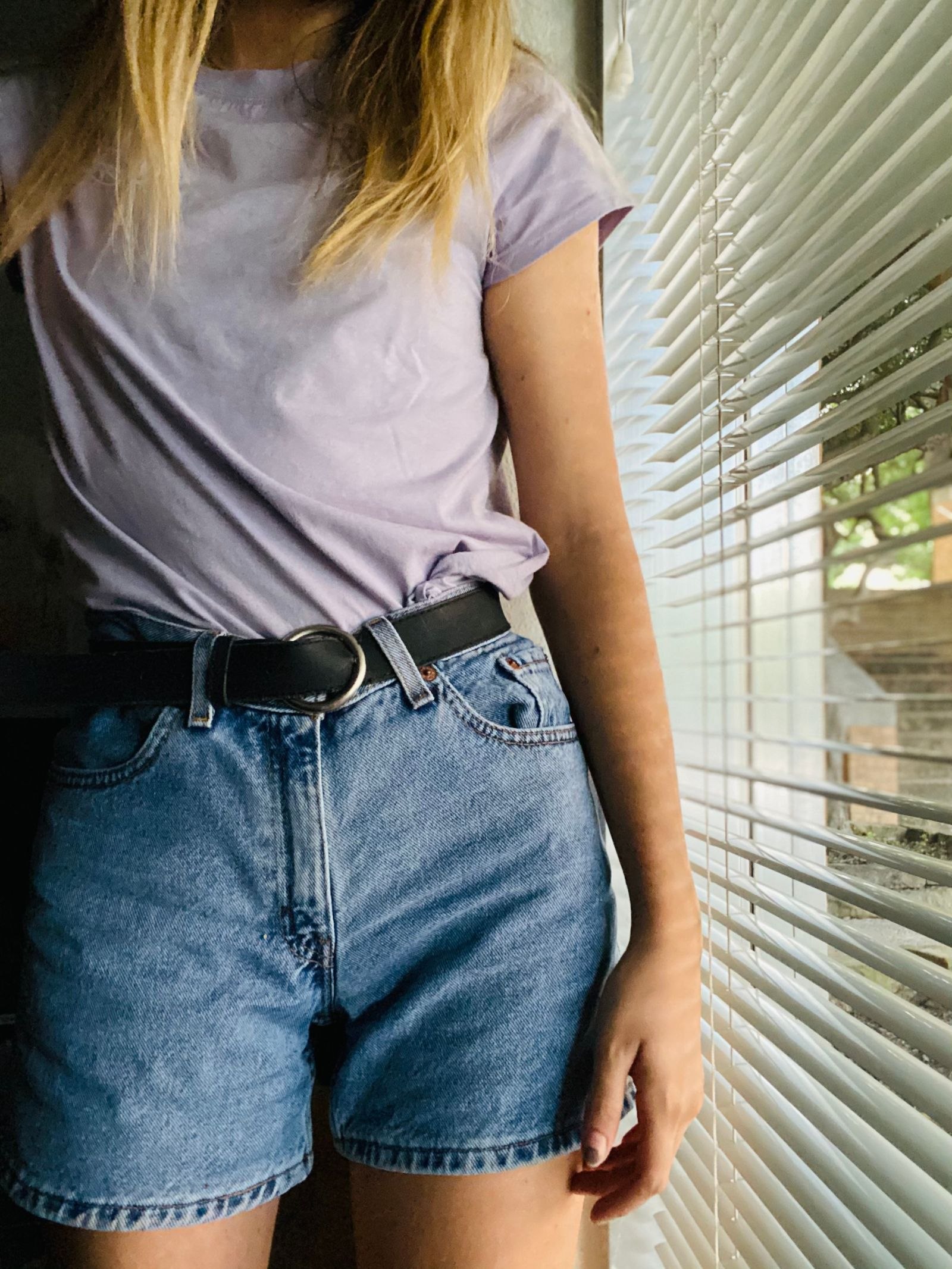
Try the belt and shirt position with the actual denim shorts, keeping the waistband and seated version comfortable for the day.
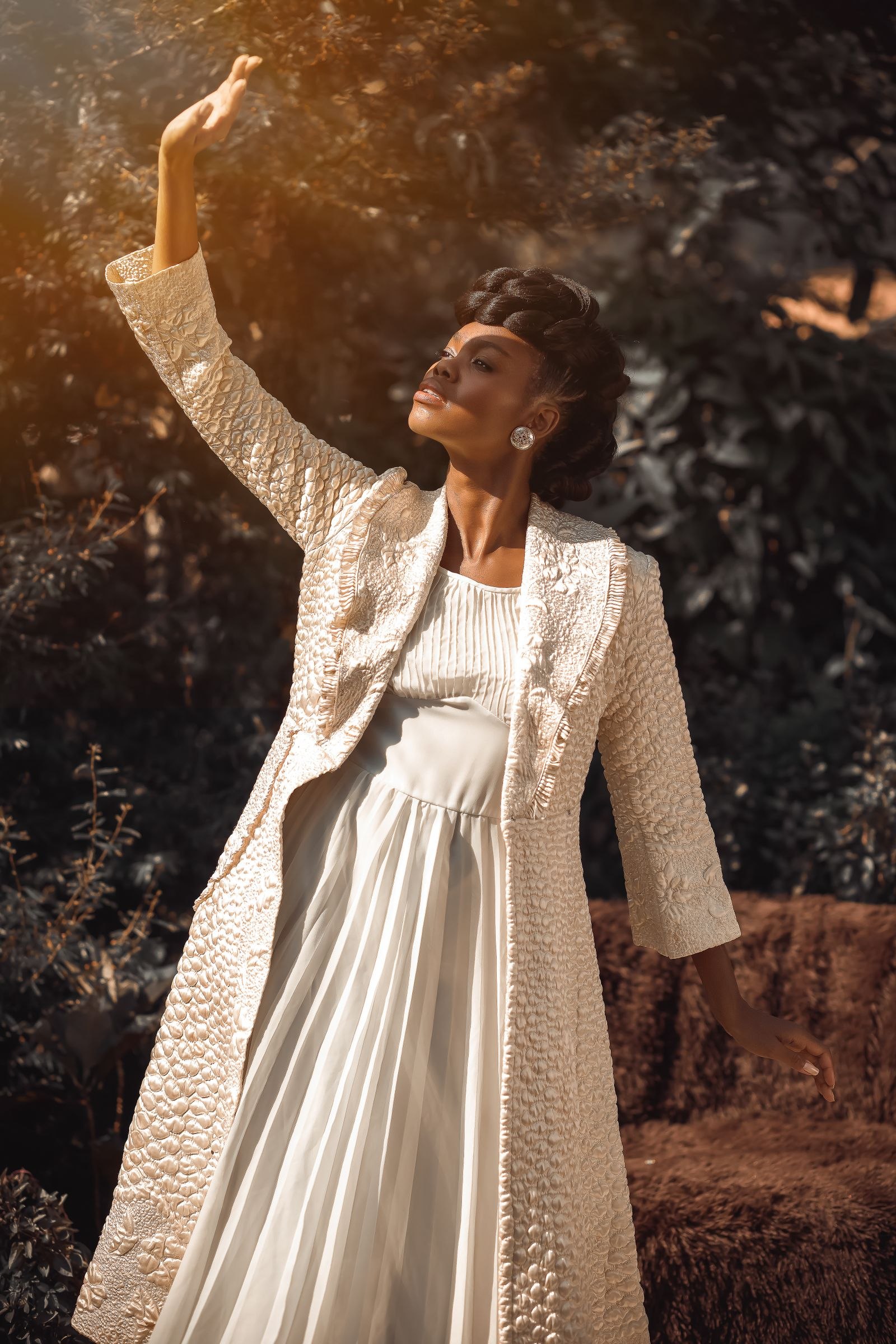
Try a light jacket over the actual dress shoulder and sleeve arrangement before choosing the layers for the day.
Choose a coat and bag arrangement that remains practical when one hand is occupied by an umbrella, following the actual products’ instructions.
Check a jacket hem while seated as well as standing, using the actual base outfit and bag intended for the outing.
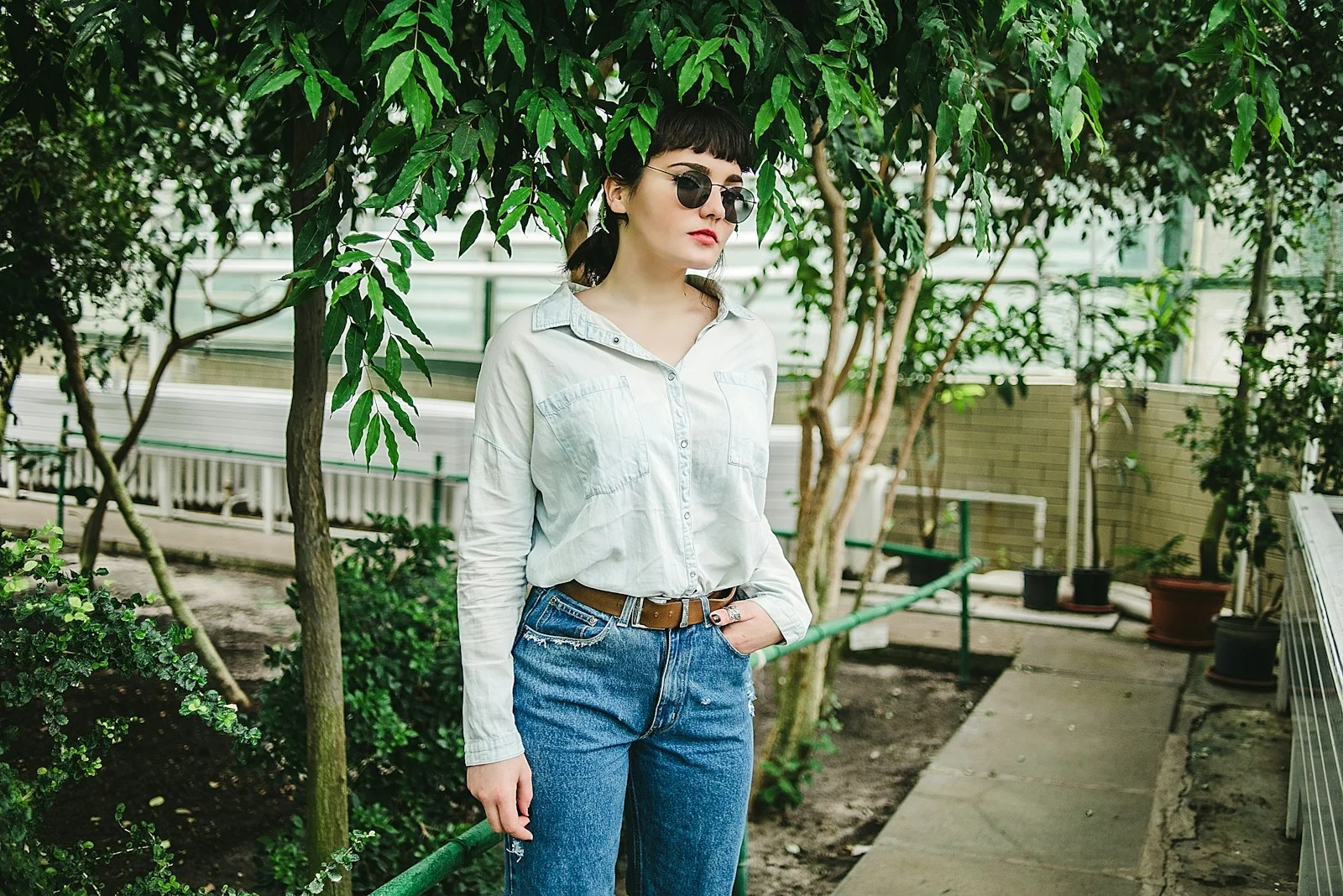
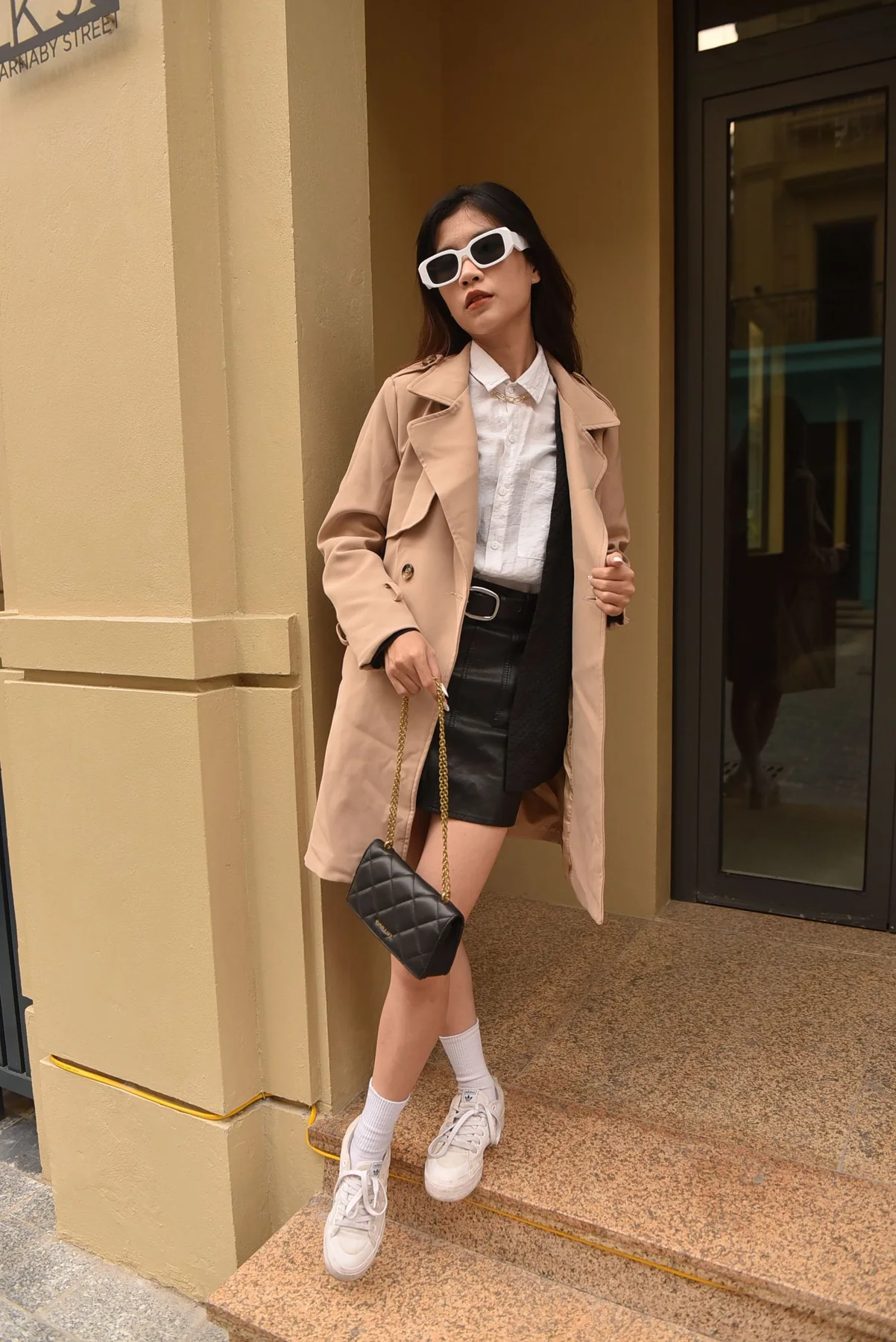
Try a shirt collar and sunglasses within the complete outfit, with an appropriate place for the glasses when they are removed.
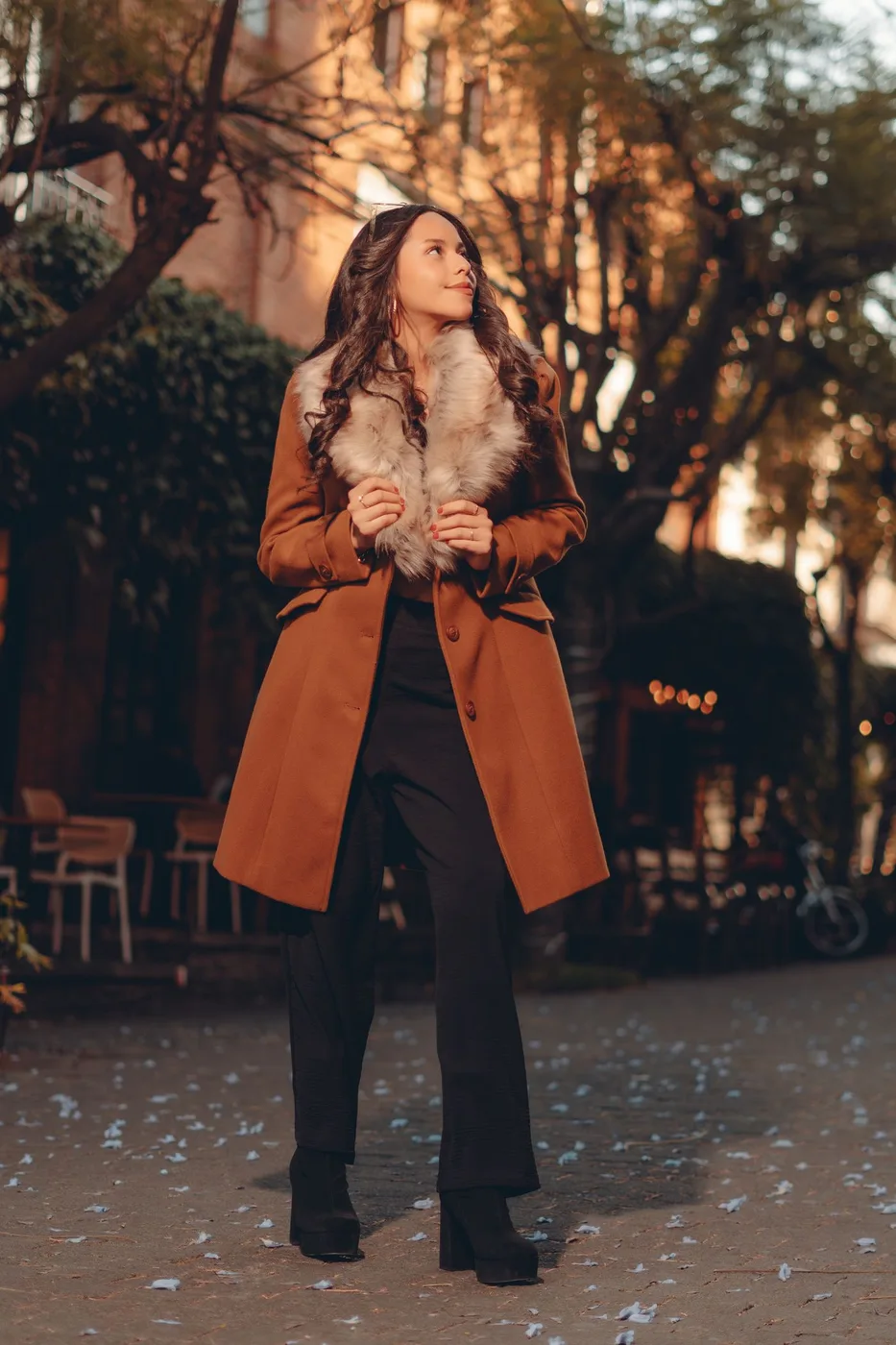
Choose a scarf arrangement within the coat’s actual lapels, checking comfortable closure and the version used indoors.
Try a bracelet with the actual sleeve opening and ordinary hand movements before deciding the accessories work comfortably together.
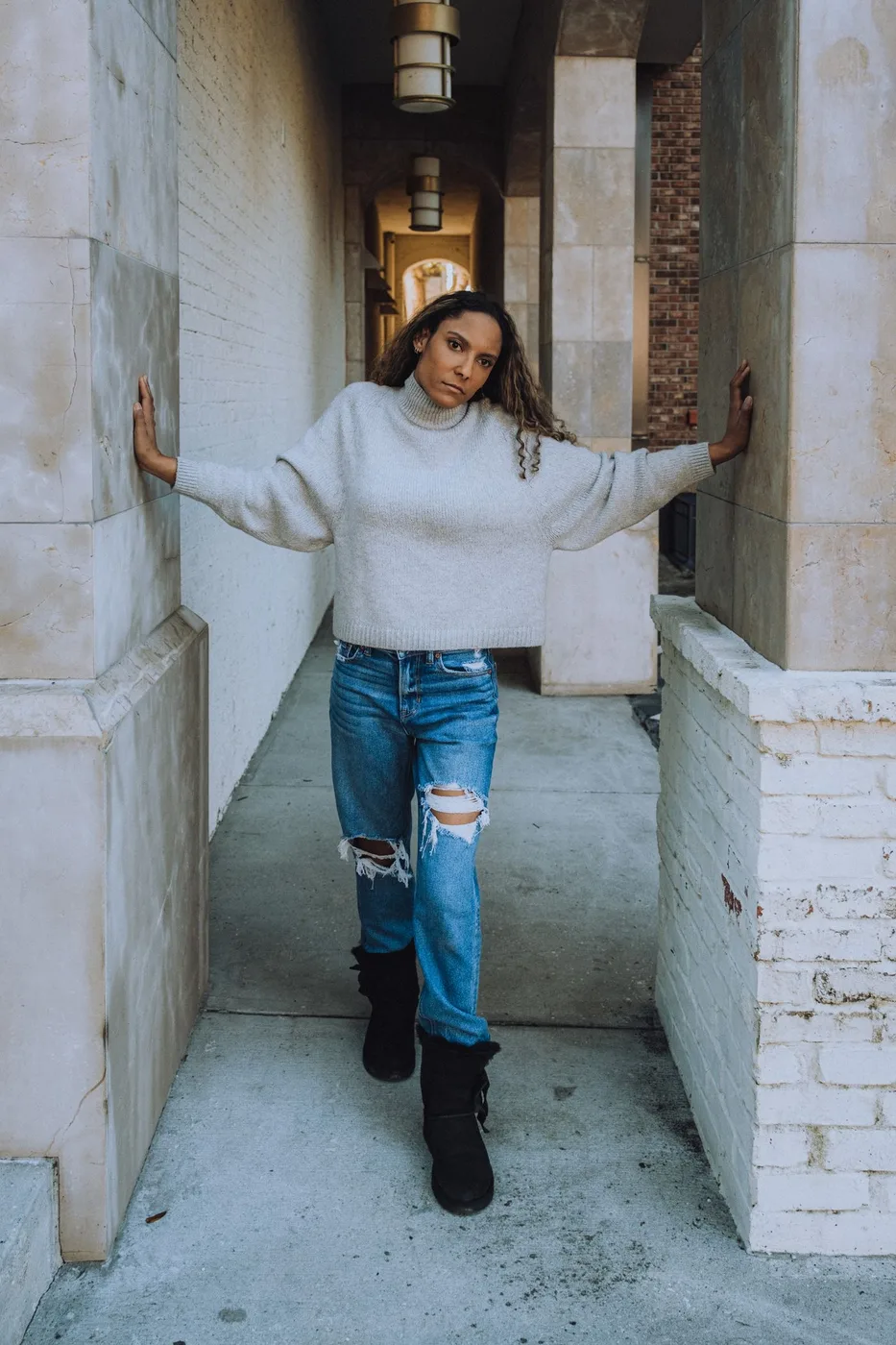
Build a repeatable pale-knit and blue-denim outfit by choosing the actual shoes, hem and supporting pieces instead of stopping at the color idea.
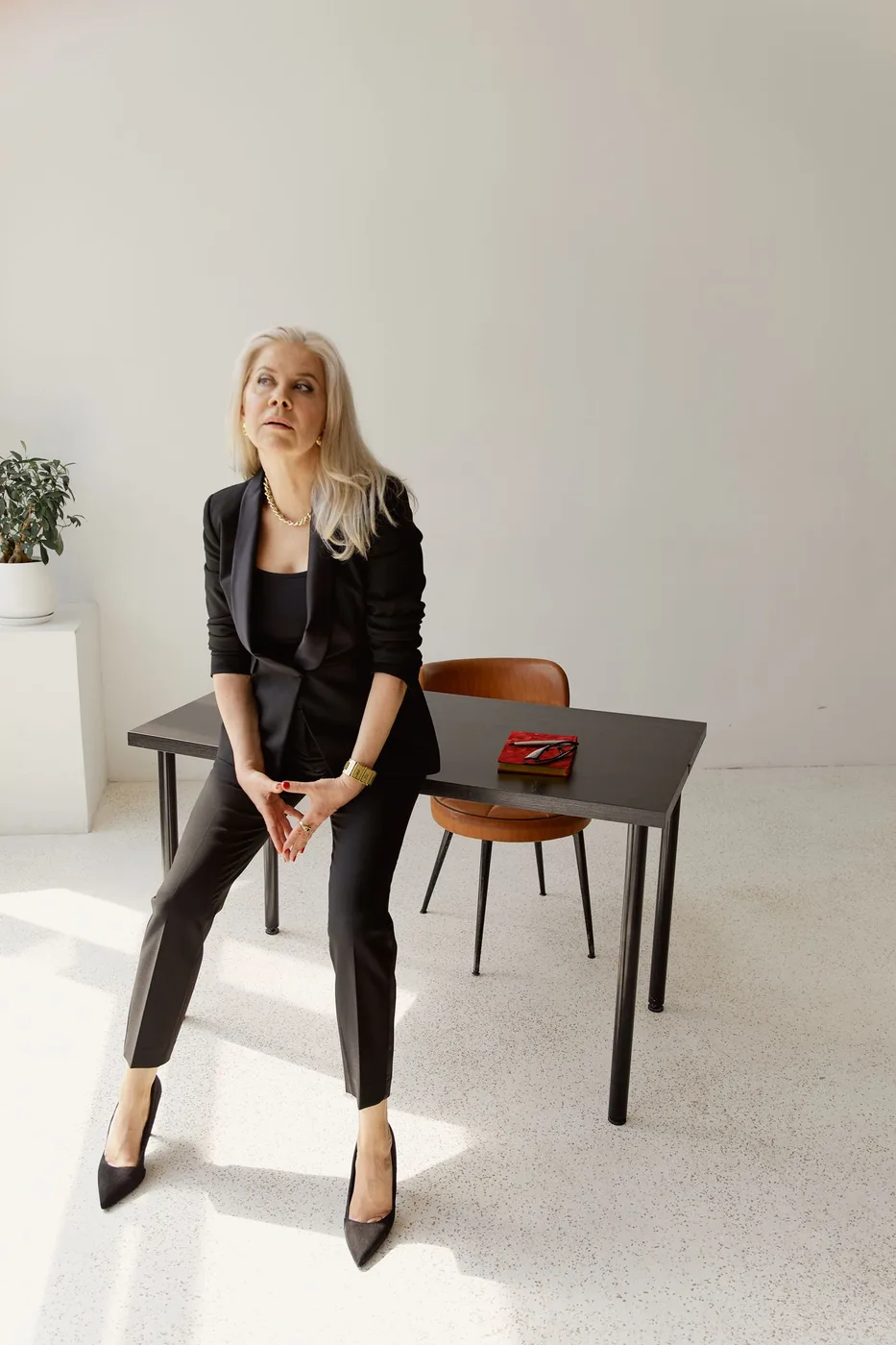
Compare light shoes within a black-tailoring outfit using the actual pants hem, personal comfort and the route of the outing.
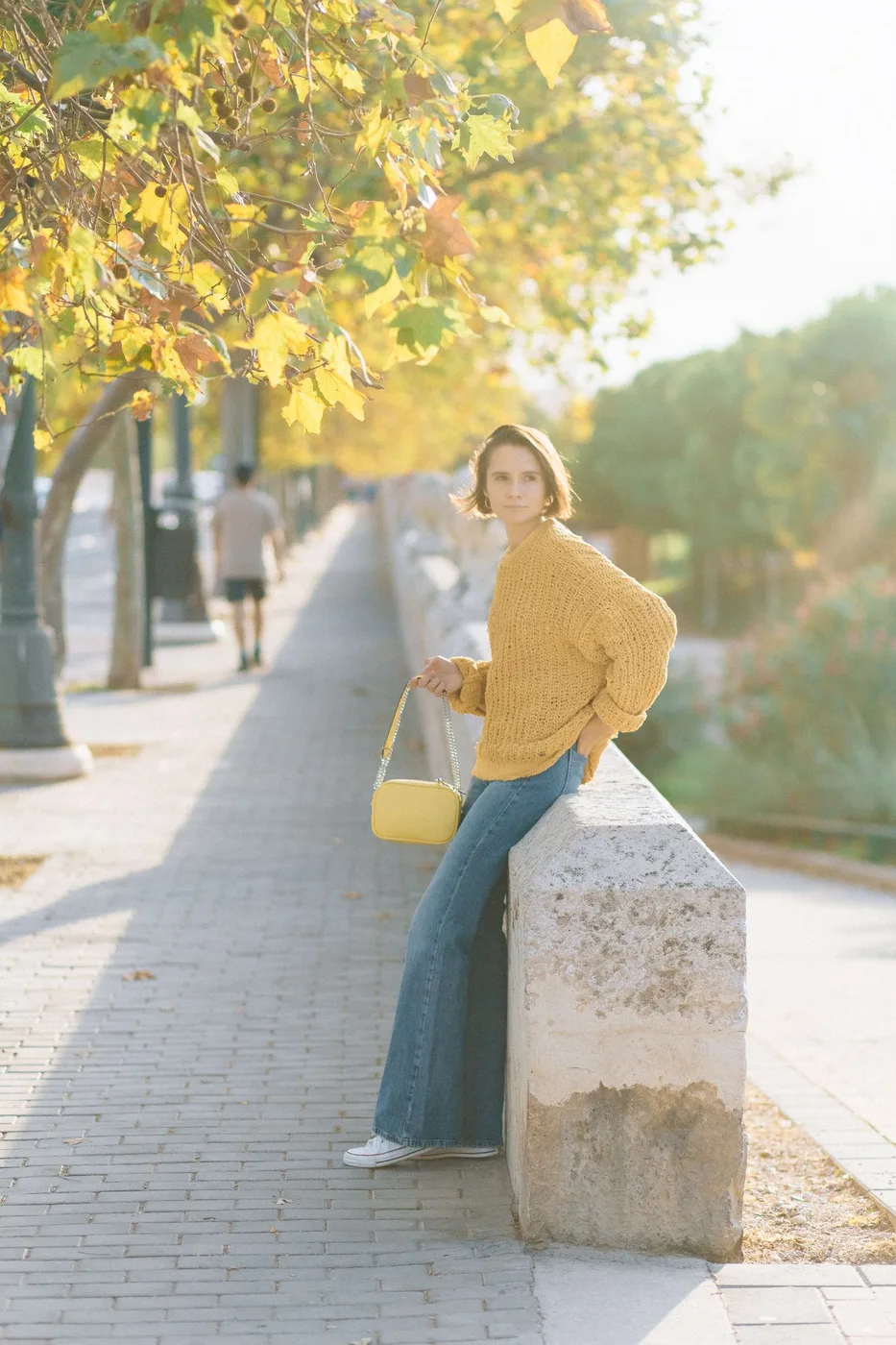
Use a yellow knit layer as the main color in a denim outfit and keep the rest of the combination practical for the actual day.
Check where a sheer layer meets bag straps and hardware before using the combination for an evening or ordinary outing.
Try sunglasses with the coat lapel and collar, including the appropriate place they go when the outfit moves indoors.
Choose sunglasses as part of the actual printed-dress outfit while keeping their required protection and care a separate product question.
Choose a train outfit that works through sitting, removing a layer and putting it back on before the next transfer.
Build a coffee-stop outfit around bright pants, using a pale jacket and practical shoes already suited to the day.
Make the route to an evening event part of the dress decision, including the outer layer, bag and handover at arrival, using the arrangements you can confirm.
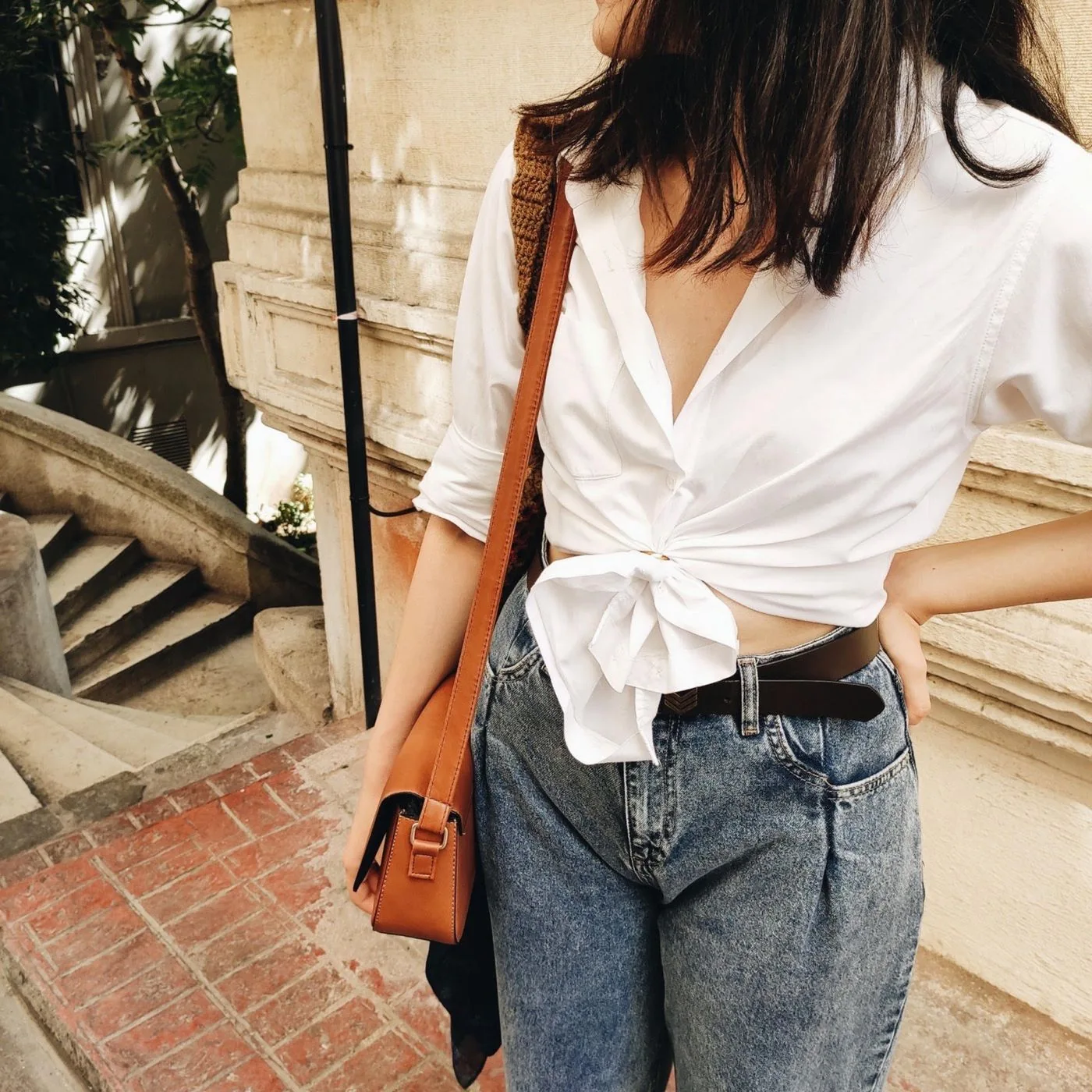
Choose one front detail of a white shirt to lead the outfit, then check the surrounding neckline, layer and accessories without adding competing adjustments.
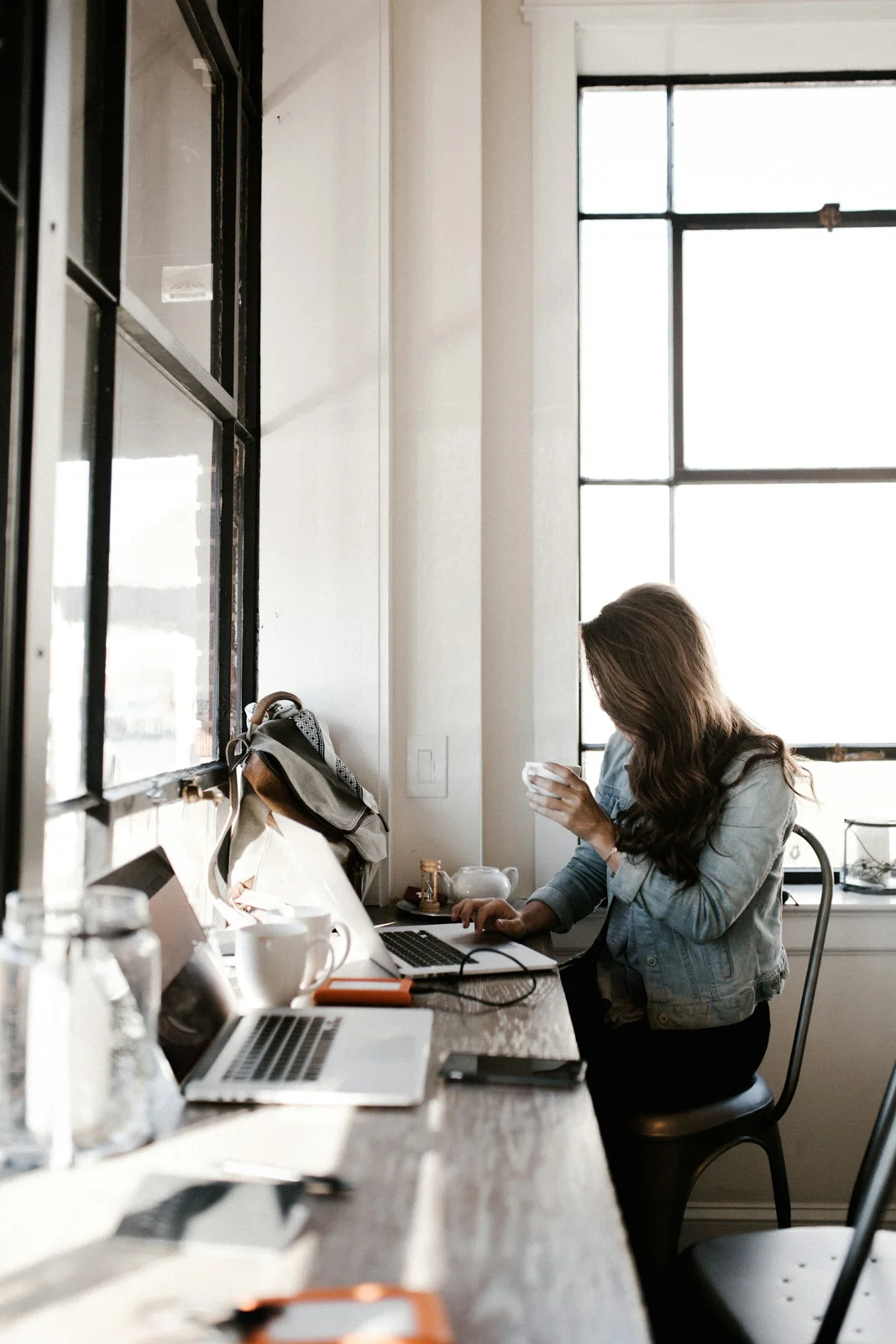
Try a desk outfit through typing, reaching and standing, then check how the jacket, sleeves and waistband behave with the equipment you normally use.
Choose one colour already present in a patterned garment, test it with an existing layer and keep the rest of the outfit easy to repeat in ordinary light.
Check jewellery against the actual texture and neckline of a knit, then try normal hand and sleeve movements before settling on a comfortable pairing.
Plan an occasion outfit through the ordinary transitions of the event, including chairs, coats and table space, before settling on its final arrangement.
Choose an open cardigan by checking the shape of the layer beneath it, the movement of its fronts and how the neckline sits through an ordinary day.
Compare a dress with and without an optional styling belt, checking the garment’s intended construction and your accessories before treating the two looks as separate outfits.
Check an event outfit with the ordinary movements you expect, considering the real activity and venue requirements rather than judging the clothes only from a still mirror pose.
Choose a pendant position within a printed outfit, comparing the actual necklace and neckline in ordinary movement without assuming every detail must be visible at once.
Plan where your coat goes during a seated gathering, checking the actual storage arrangement and the rest of the outfit without assuming a spare chair is available.
Include a realistic changing place in an occasion-outfit plan, clarifying access, storage and the journey before assuming a different outfit can be put on at the venue.
Decide whether similar neutral separates need to match, comparing the actual pieces together and choosing a clear outfit intention instead of chasing an uncertain exact colour.
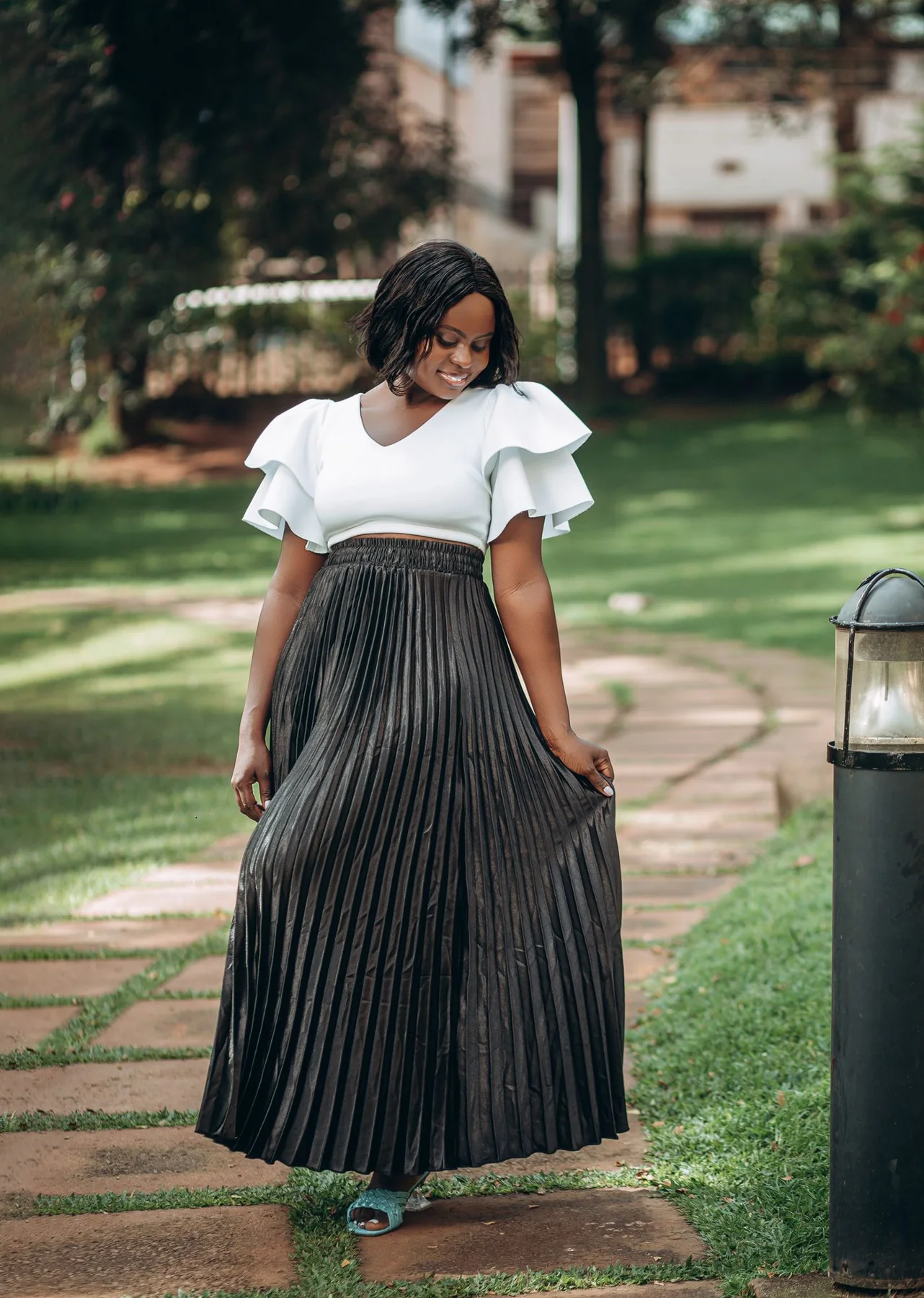
Give a pleated skirt appropriate space when sitting, checking the real garment, seat and planned activity without turning a careful pose into a promise of everyday comfort.
Compare the available button positions on a shirt cuff, checking the actual fastening and ordinary hand movements without assuming every shirt has an adjustable opening.