Shopping
Cotton, Linen or a Blend: Choosing a Summer Shirt
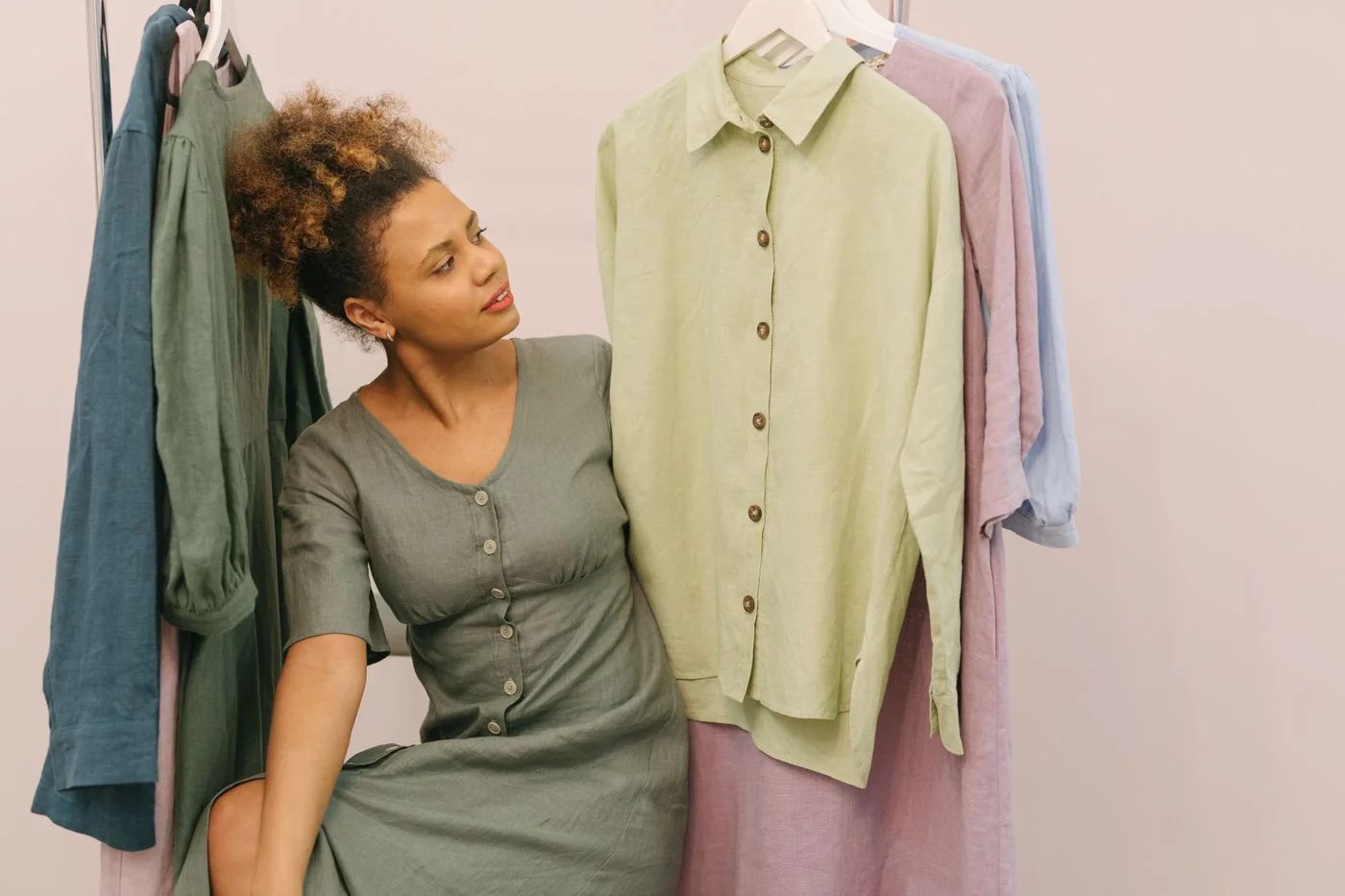
Compare summer shirts by weave, weight, opacity and care as well as the fiber name on the label.
Buy with a plan
Clear buying checklists, thoughtful tradeoffs and fewer impulse purchases.
Compare summer shirts by weave, weight, opacity and care as well as the fiber name on the label.
Turn a closet gap into a short shopping list before discounts and checkout timers decide what you bring home.
A wedding invitation and a later dinner can share one thoughtful outfit when you plan for both before buying.
Compare measurements, fabric and returns before placing a jeans order, then check the fit through ordinary movement.
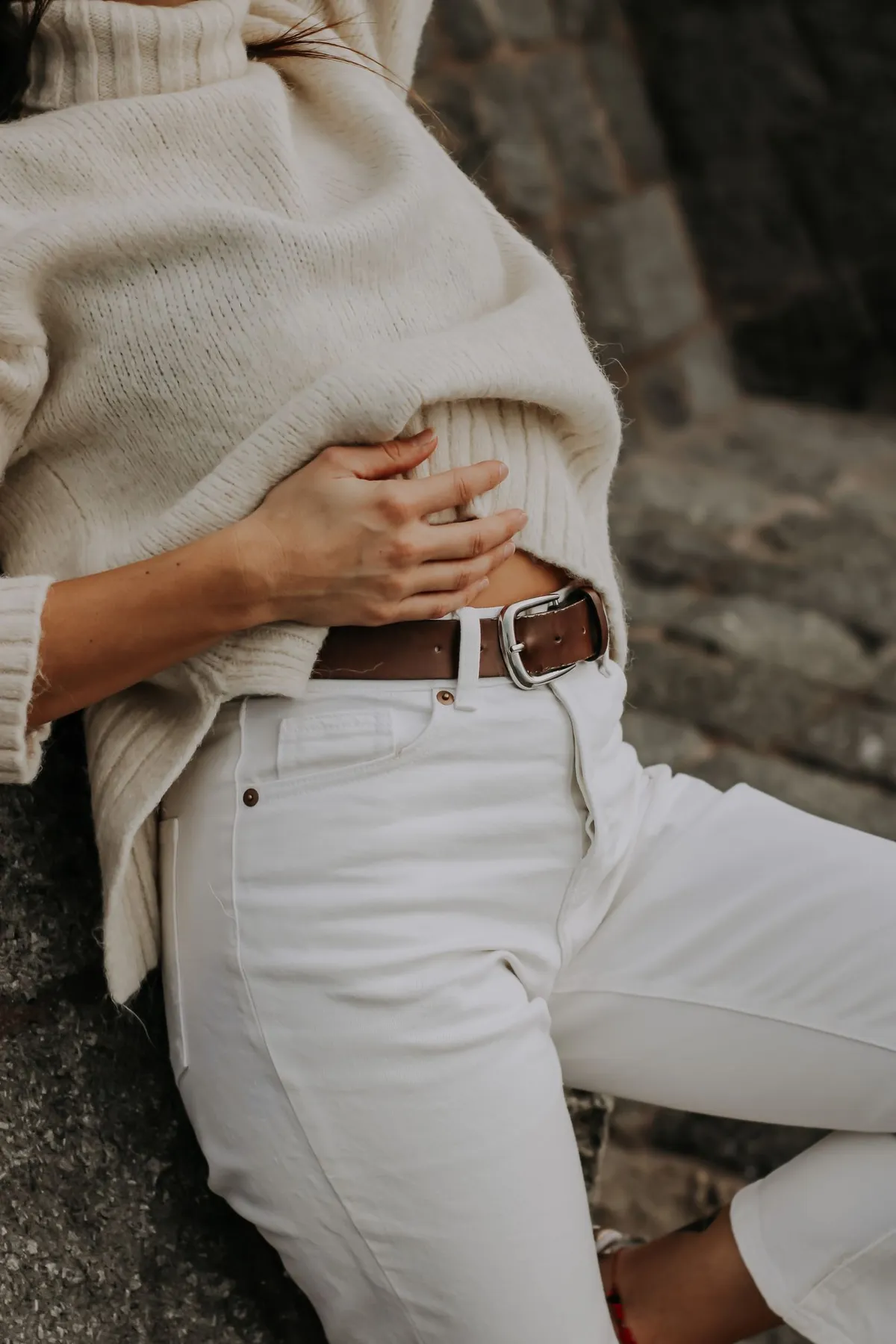
Start with your trouser loops, daily movement and existing shoes before choosing a belt you can wear on repeat.
Use body measurements, garment dimensions and the intended fit together to make online ordering less uncertain.
Compare summer shirts by weave, weight, opacity and care as well as the fiber name on the label.
Turn a closet gap into a short shopping list before discounts and checkout timers decide what you bring home.
Compare summer shirts by weave, weight, opacity and care as well as the fiber name on the label.
Turn a closet gap into a short shopping list before discounts and checkout timers decide what you bring home.
A wedding invitation and a later dinner can share one thoughtful outfit when you plan for both before buying.
Compare measurements, fabric and returns before placing a jeans order, then check the fit through ordinary movement.
Start with your trouser loops, daily movement and existing shoes before choosing a belt you can wear on repeat.
Use body measurements, garment dimensions and the intended fit together to make online ordering less uncertain.
Look beyond a sweater's color to its construction, fit, care needs and place in your everyday wardrobe.
A practical fitting-room sequence for shoulders, movement, length, fabric and the clothes you already own.
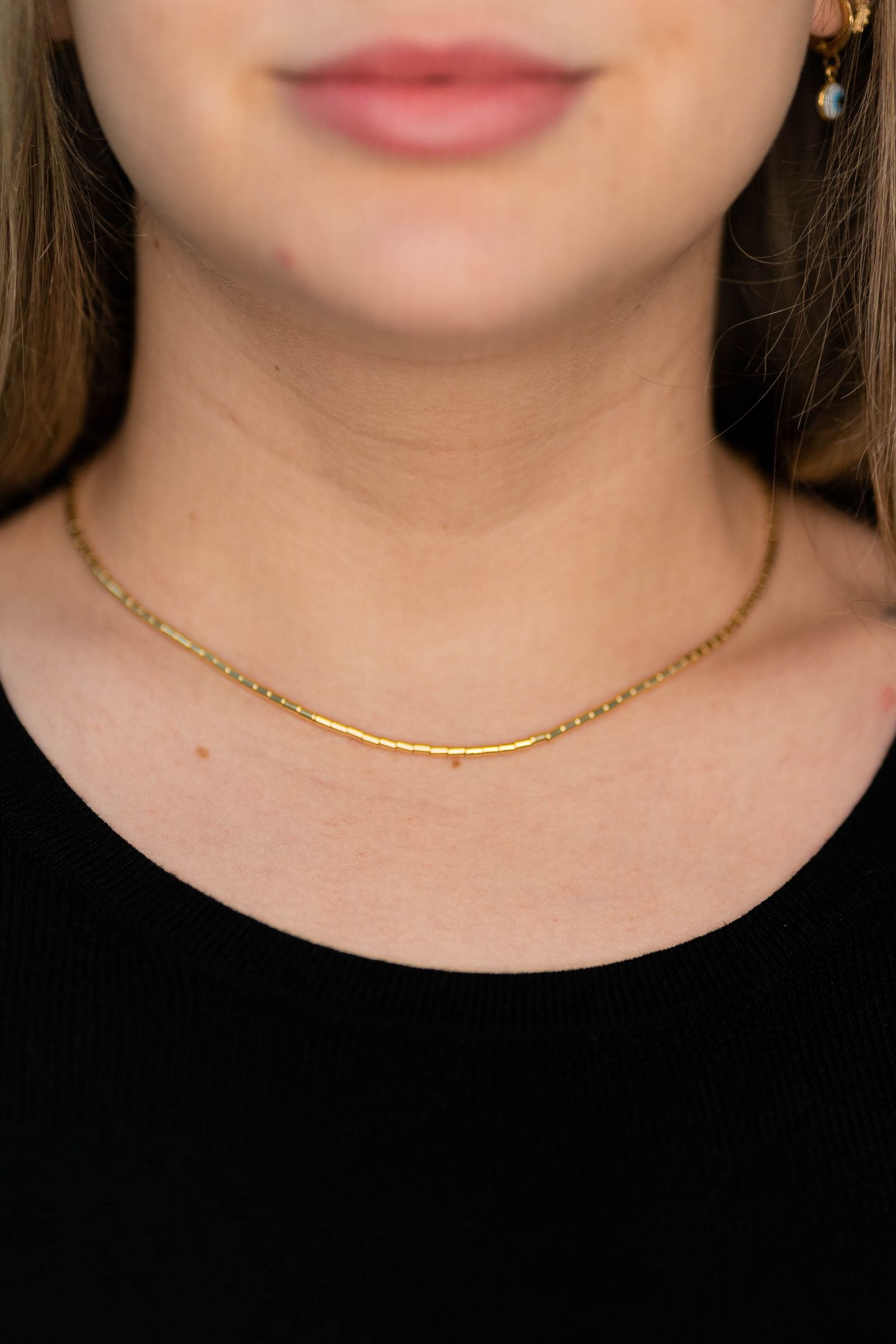
Check the necklace closure and ordinary wearing sequence alongside the front view, using the actual top and product instructions.
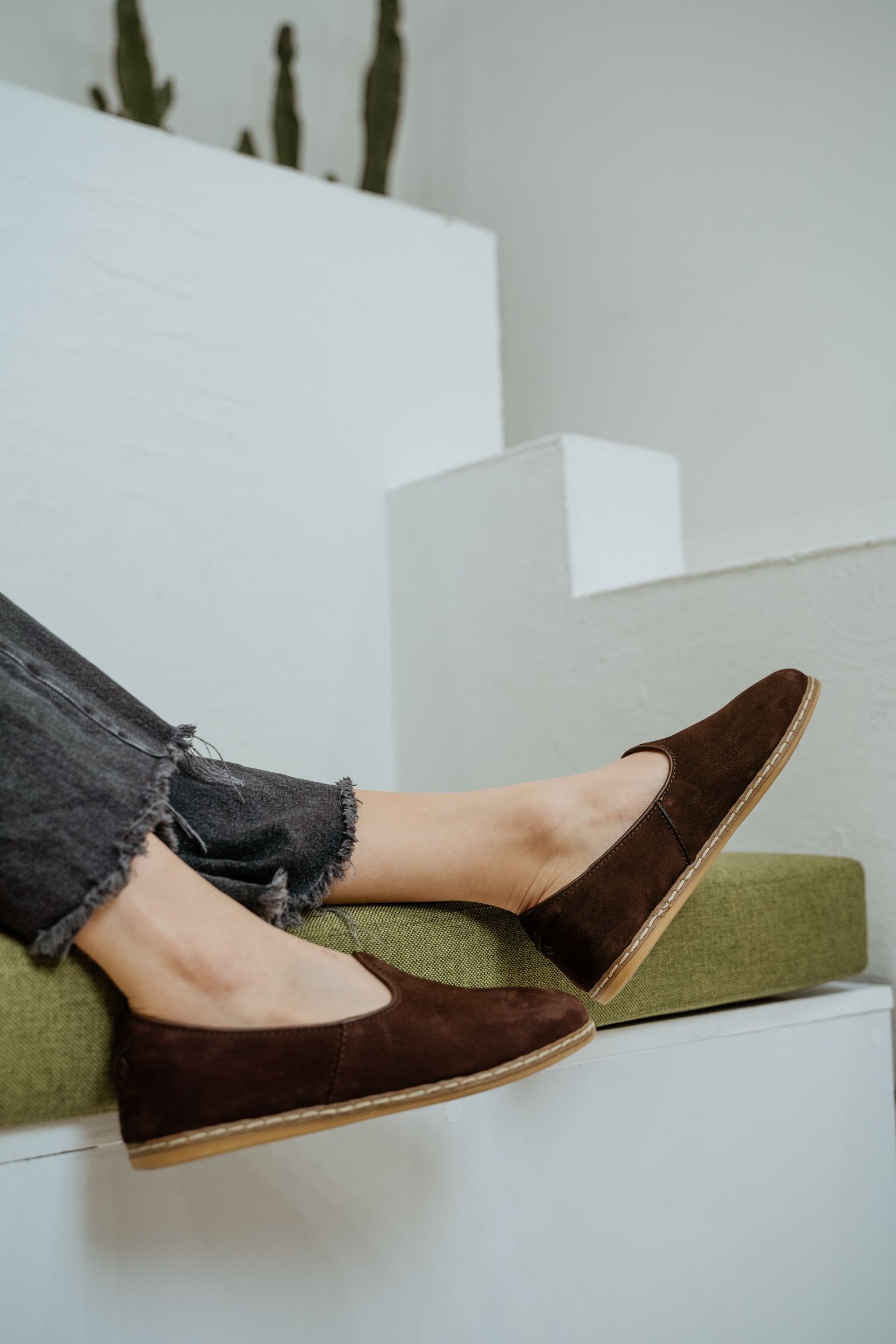
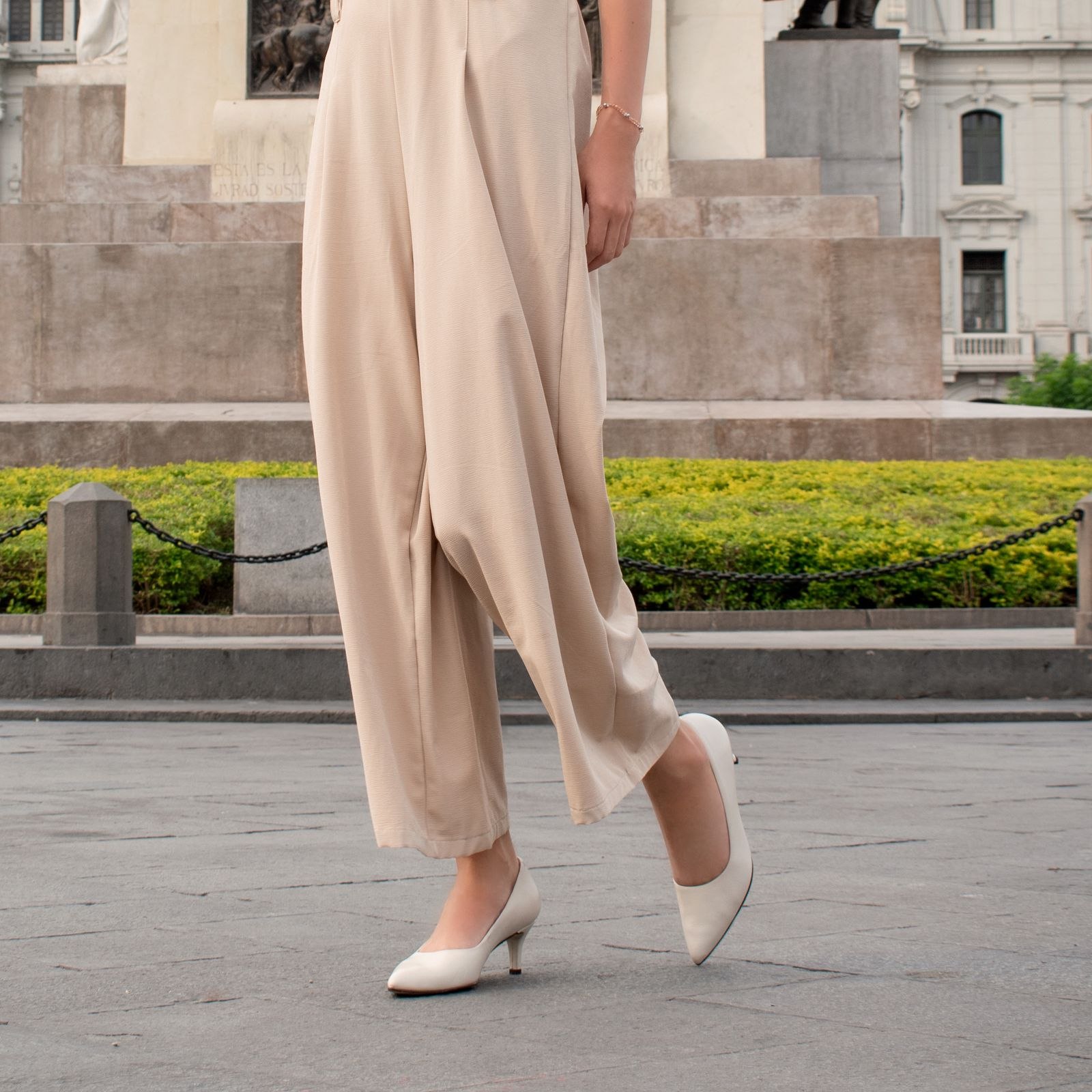
Try loafers with the actual trouser hem and ordinary movement before deciding the shoes fit the outfit and the day.
Include the back pockets in a jeans fit decision while keeping personal comfort, the intended design and actual use central.
Compare a trench coat’s hem with the actual shoes and ordinary ground conditions on the route where it will be worn.
Include the back of a garment in an ordinary fit check, alongside comfortable movement and the actual outfit layers.
Check a long coat with the shoes and ordinary steps on your route before deciding its length suits everyday use.
Define the outfit or activity a new shoe pair needs to serve before comparing styles or adding another near-duplicate to the closet.
Take the socks you intend to wear into a shoe-fitting decision, compare both shoes through ordinary movement and keep the purpose of the pair in view.
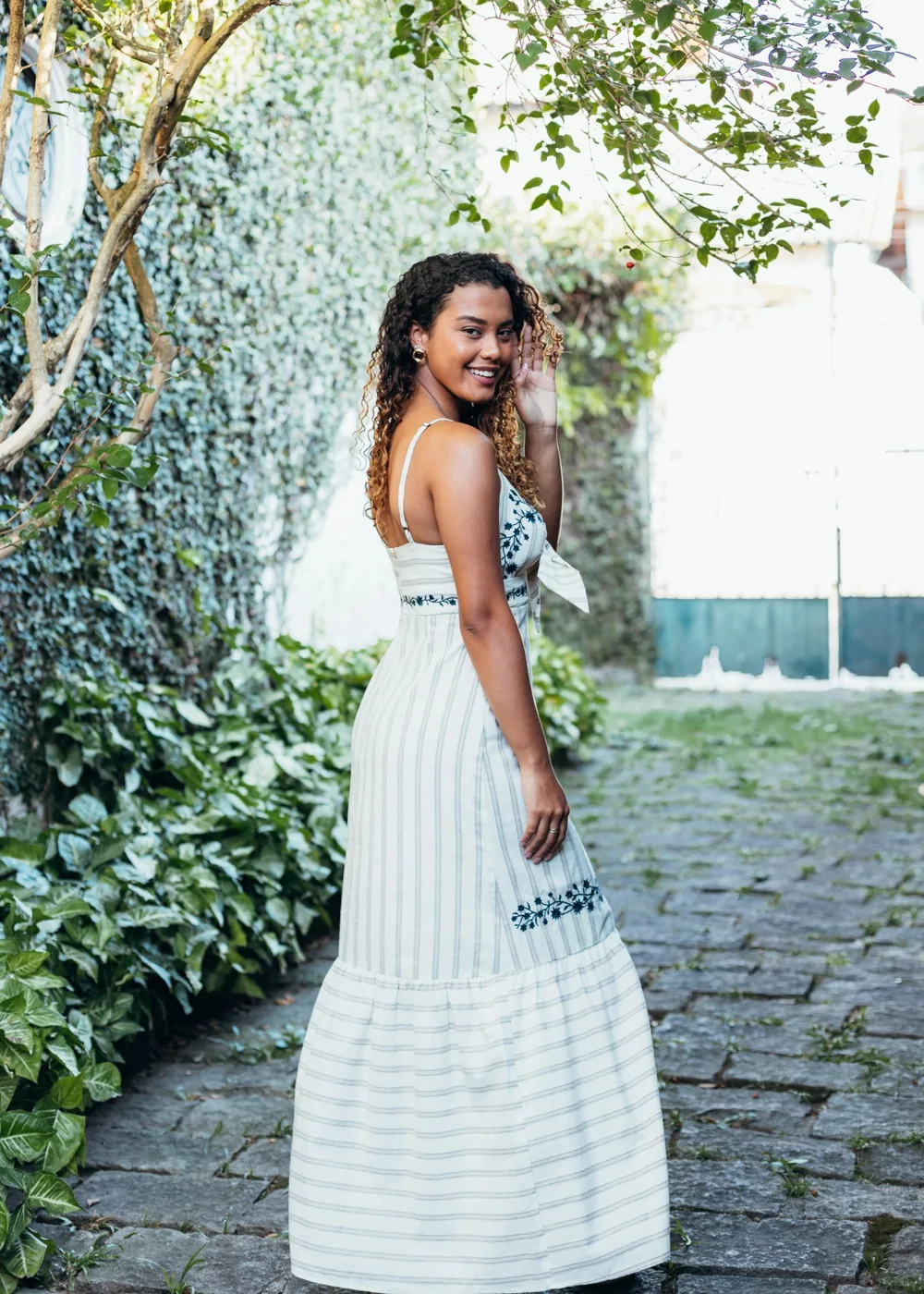
Check a long dress through the ordinary movements of its intended occasion, using the planned shoes and outer layer to make the fit decision concrete.
Give a shopping companion a focused brief about the fit question, wardrobe role and kind of feedback you want, so their help supports your own decision.
Assess trouser rise while seated and distinguish it from leg length, using ordinary movement and a familiar waistband position to guide the fit decision.
Check a buttoned blouse through sitting, reaching and layering, using the actual trousers and jacket to distinguish a placket issue from styling movement.
Use one familiar garment as a fitting-room reference, compare corresponding details and keep the decision focused on the wardrobe role you came to fill.
Read secondhand clothing photographs alongside measurements, condition notes and included parts, then turn missing details into a short question before deciding.
Consider coat pockets through the small items you actually carry, checking the opening and intended use without assuming that a visible pocket detail guarantees usable space.
Keep clothing packaging and purchase information organised while making a try-on decision, checking the seller’s terms before changing labels or discarding supplied materials.
Point to the exact area in a secondhand clothing condition question, distinguishing what the listing shows from what still needs an answer before making a purchase decision.
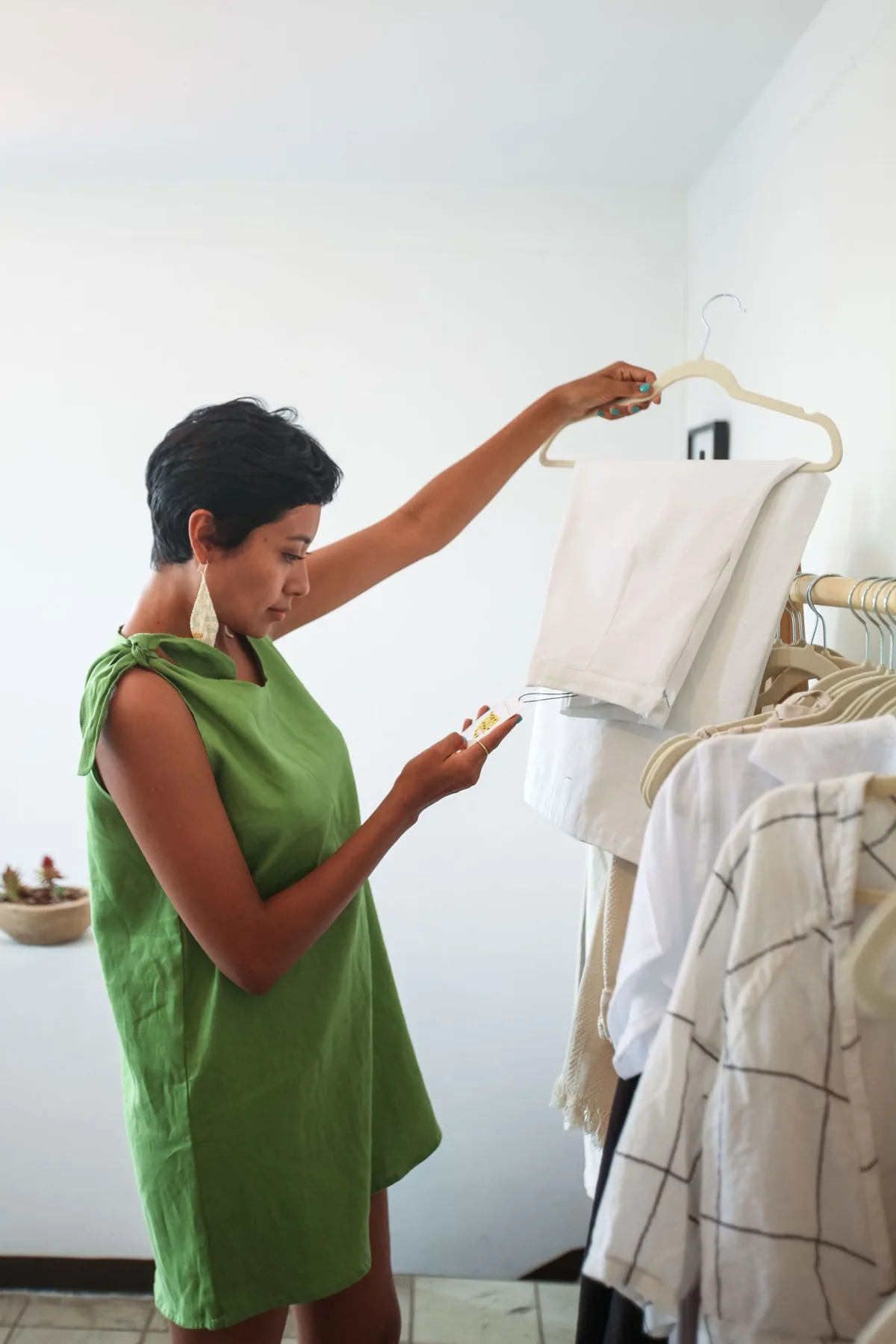
Keep a sale label associated with the actual garment you compared, distinguishing product identification from a temporary price message while making a considered shopping decision.
Use a colour reference to ask a specific shopping question, identifying the intended comparison and the limits of photographs before treating a garment as a match.
Use consistent light for a fabric-texture reference photograph, keeping the image useful for comparison without treating a photograph as proof of fibre or garment quality.