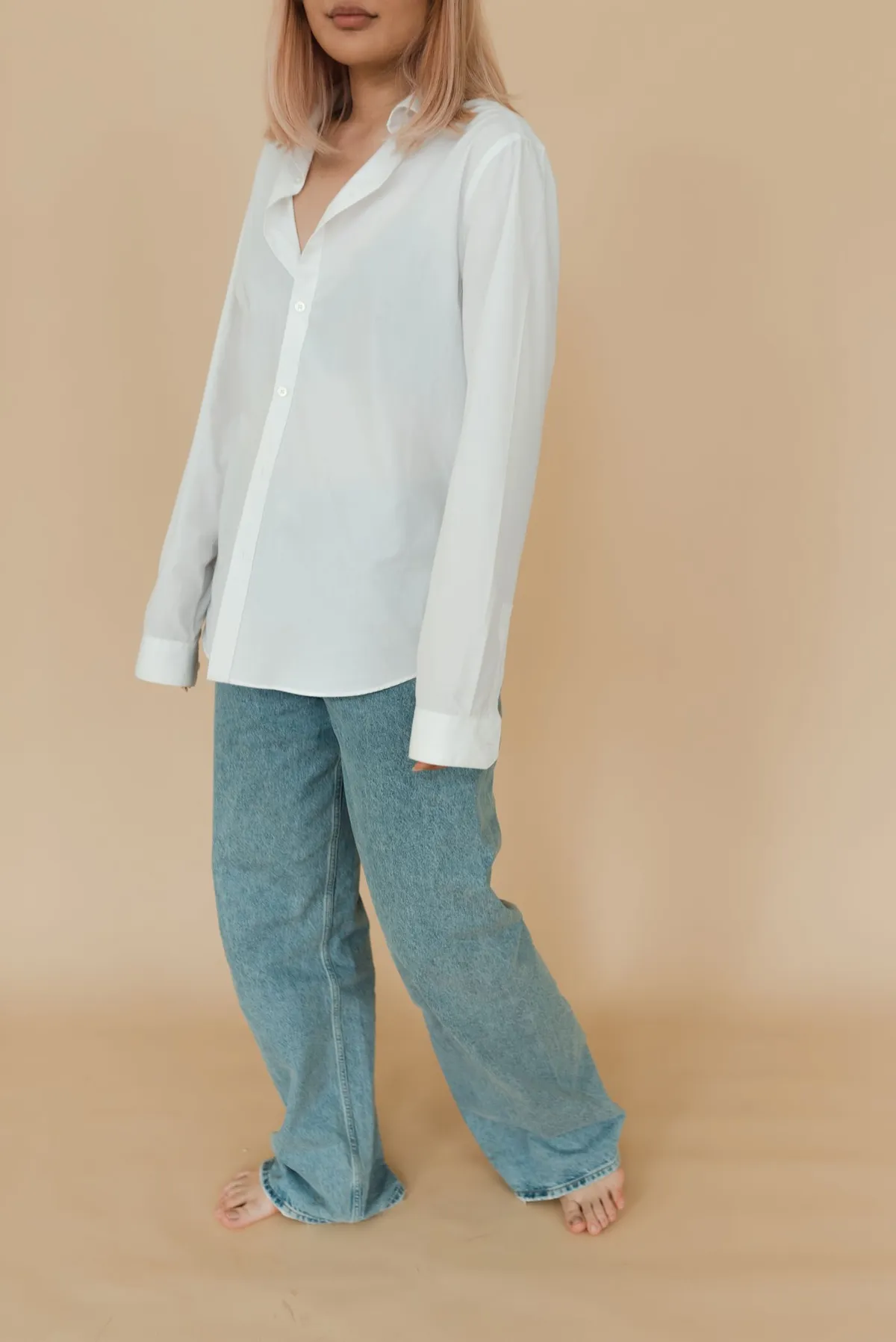
A bracelet and a wide sleeve can each look appealing while competing for the same space around the wrist. Try the actual pieces together and check how they work when you move, sit and carry the intended bag. Follow their care and use instructions rather than assuming a particular fabric or piece of jewelry can be handled like every similar-looking item. The styling choice should remain personal, supported by a practical combination you can wear without repeatedly rearranging the sleeve to keep the accessory visible.
Start with the sleeve as designed
Wear the top in the way its construction supports and check your own comfort. Do not force a sleeve to stay pushed up if that is unsuitable for the garment or inconvenient during the day. Notice the opening, length and the way it returns after ordinary movement. The bracelet should join the actual sleeve arrangement, not a temporary position created only for the mirror. A wide opening may provide room, but it does not establish that every accessory will work comfortably or appropriately within it.
Check the bracelet's fit and guidance
Read the relevant product information and follow instructions for closures, handling and care. Keep personal comfort and any individual requirements central. Do not infer material properties or suitability from the accessory's color or a photograph. Try it appropriately with the garment and notice where the pieces contact. If a fit or care question remains unclear, seek suitable information before relying on the combination. The practical check should support the products as designed rather than improvise a way to keep an unsuitable pairing in place.
Include the bag and ordinary tasks
Carry the intended bag according to its design and check the wrist movement involved. Consider the activities actually planned without turning the fit check into a strenuous test. A bracelet that feels comfortable with your hand still may need a different outfit role when combined with a bag handle or a longer sleeve. Keep the comparison relevant to the day. If several accessories gather at the same contact point, remove an optional piece and see whether the remaining group works more easily.
Let visibility remain optional
The bracelet does not need to be exposed constantly to belong in the outfit. You may prefer the sleeve to move naturally over part of it, provided that is appropriate and comfortable for the actual items. Avoid choosing a complicated tuck or fold solely to display an accessory. If the combination requires repeated attention, try another suitable sleeve or wear the bracelet with a different outfit. A practical wardrobe allows pieces to have distinct roles rather than requiring every favorite item to work together at once.
After wearing the combination, check the items and return them through the appropriate care routine. Remember the successful pairing if it helps another morning. If shopping, verify current product details directly with the retailer instead of treating an editorial image as evidence about fit or materials. The useful sleeve-and-bracelet choice is one you understand through actual use, with personal preference and comfort guiding the final arrangement rather than a rule about where jewelry must appear in every outfit.
Continue planning with Seven Ways to Make a White Shirt Feel Less Like a Uniform, Buying Occasionwear When You Want to Wear It Twice.