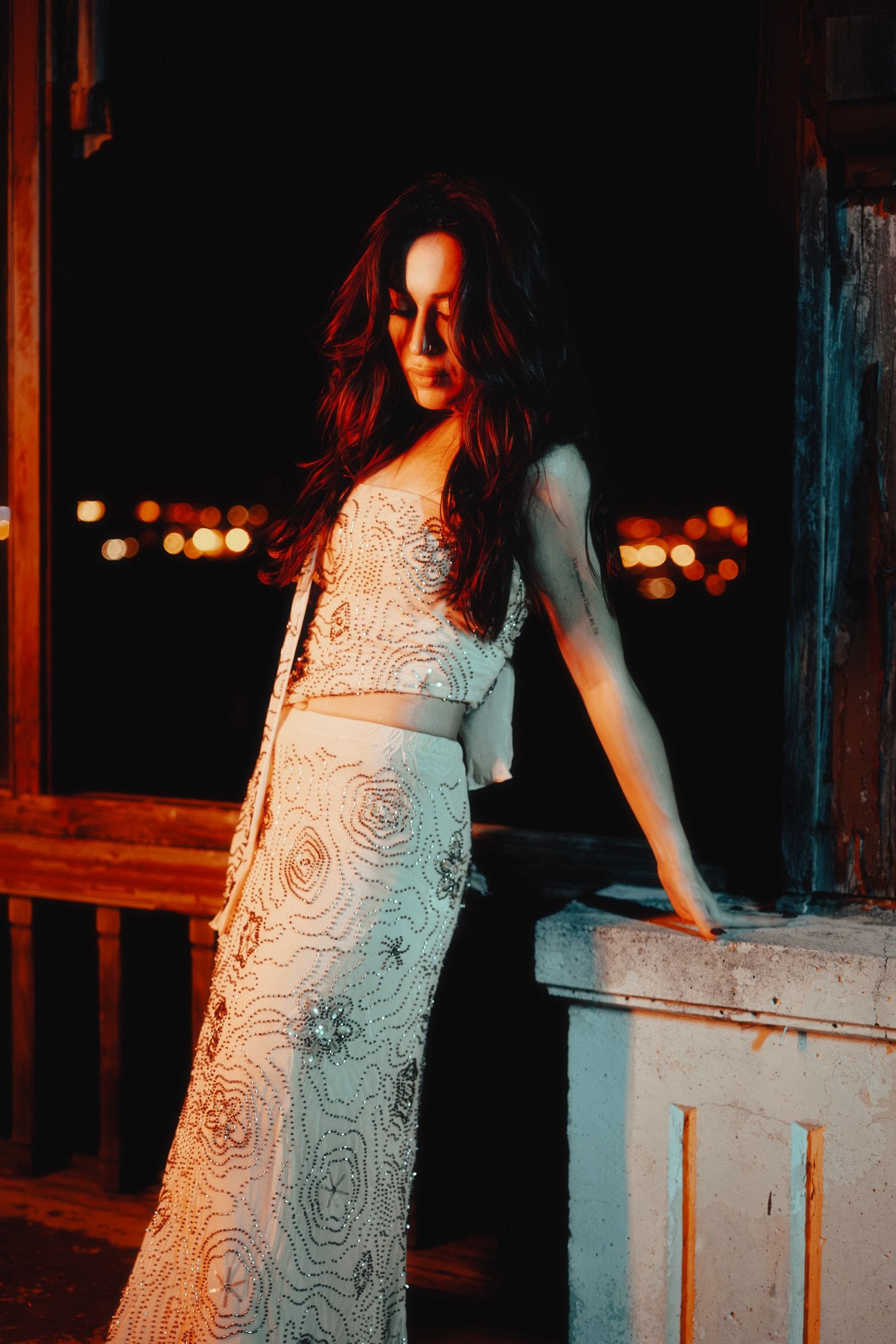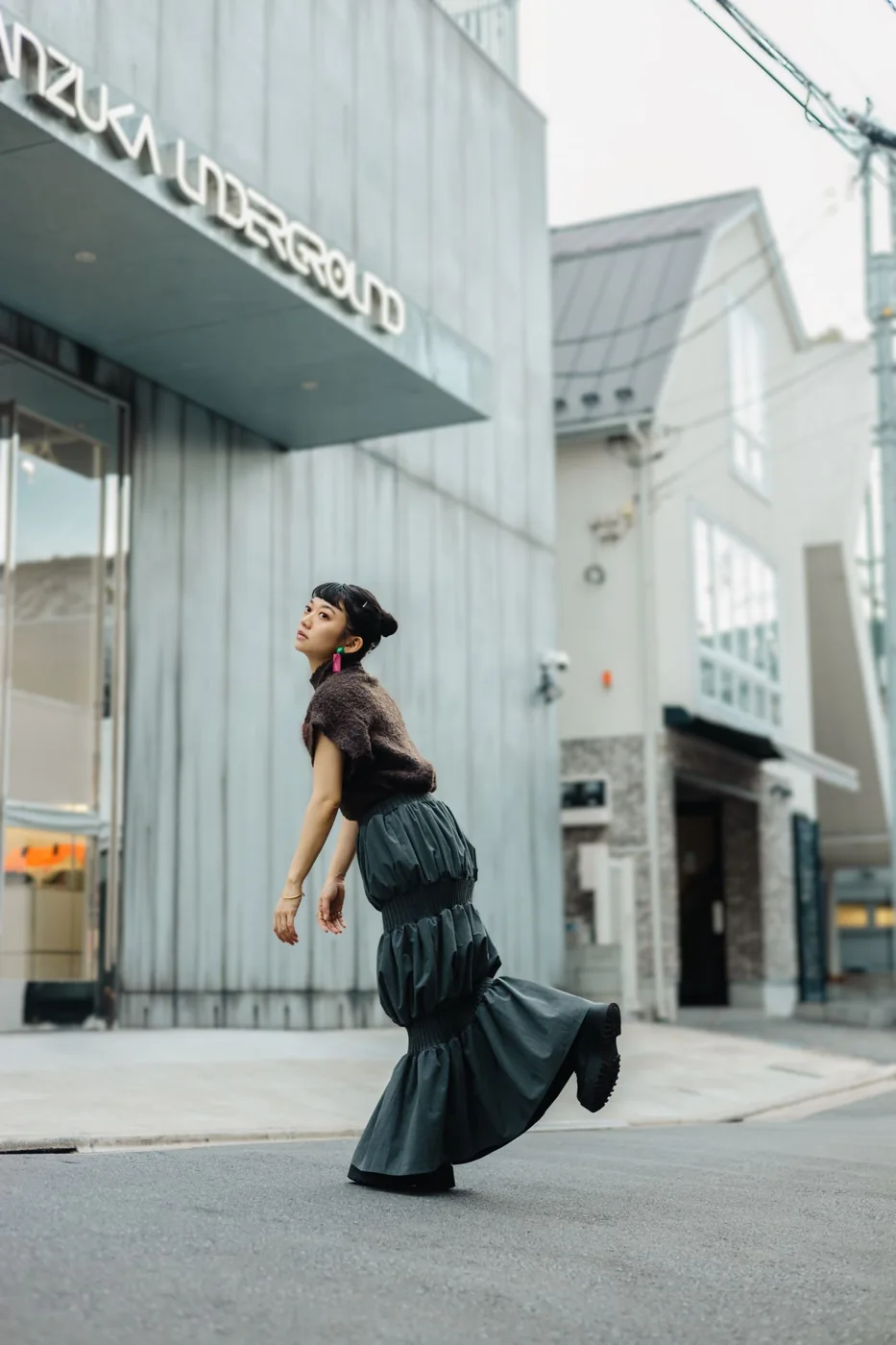
An evening-dress plan often begins at the venue and leaves the journey as an afterthought. Yet the transitions between home, transport and the event can determine which shoes, coat and bag feel practical. Consider those transitions while the outfit is still being chosen. You do not need to control every detail of the route; you need a workable sequence for the parts you can reasonably anticipate.
Describe the journey in ordinary stages
Write a short sequence such as leaving home, walking to transport, travelling and entering the venue. Use confirmed information where you have it and mark anything unresolved. A short walk and a longer outdoor wait create different questions, even if the destination is the same. Avoid treating a beautifully styled arrival photograph as evidence of the route you will take.
Try the dress with the shoes intended for that sequence. If you are considering carrying a second pair, decide where they will fit and when you would change them. A backup pair is useful only when its place in the journey is clear. Otherwise, it may add a bag and another handover without answering the original concern.
Include the outer layer in the outfit
Put on the coat or wrap and check how it sits over the dress. Move your arms, pick up the bag and take a few normal steps. If the dress has volume or a prominent sleeve, notice whether the layer accommodates it in the way you prefer. The outer layer is part of the arrival outfit, so give it the same attention as the version you expect to wear indoors.
Consider what happens to the layer when you arrive. Use the venue's actual arrangements if they are known; otherwise, keep the plan flexible rather than assuming a particular coat-check service exists. You may need to hold the layer briefly while greeting someone or finding your place. Practise that simple movement with the bag to see whether the combination feels manageable.
Leave a clear departure arrangement
Gather the final components where you can retrieve them without reopening the whole wardrobe. Keep essential journey information accessible in the way you normally use it. If another person is involved in the transport plan, agree on the meeting point and responsibility for any shared item. Those decisions are separate from the dress itself, but they influence how calm the departure feels.
Before leaving, check the actual conditions and the outfit you have prepared. Make a change if a relevant detail has changed, rather than carrying every alternative just in case. A considered journey plan lets the dress remain an enjoyable choice while acknowledging the ordinary movements needed to reach the occasion. The outfit begins at your own doorway, and a useful plan includes getting through it.
Related reading
Buying Occasionwear When You Want to Wear It Twice, Plan a Different Supporting Outfit for the Same Evening Dress.