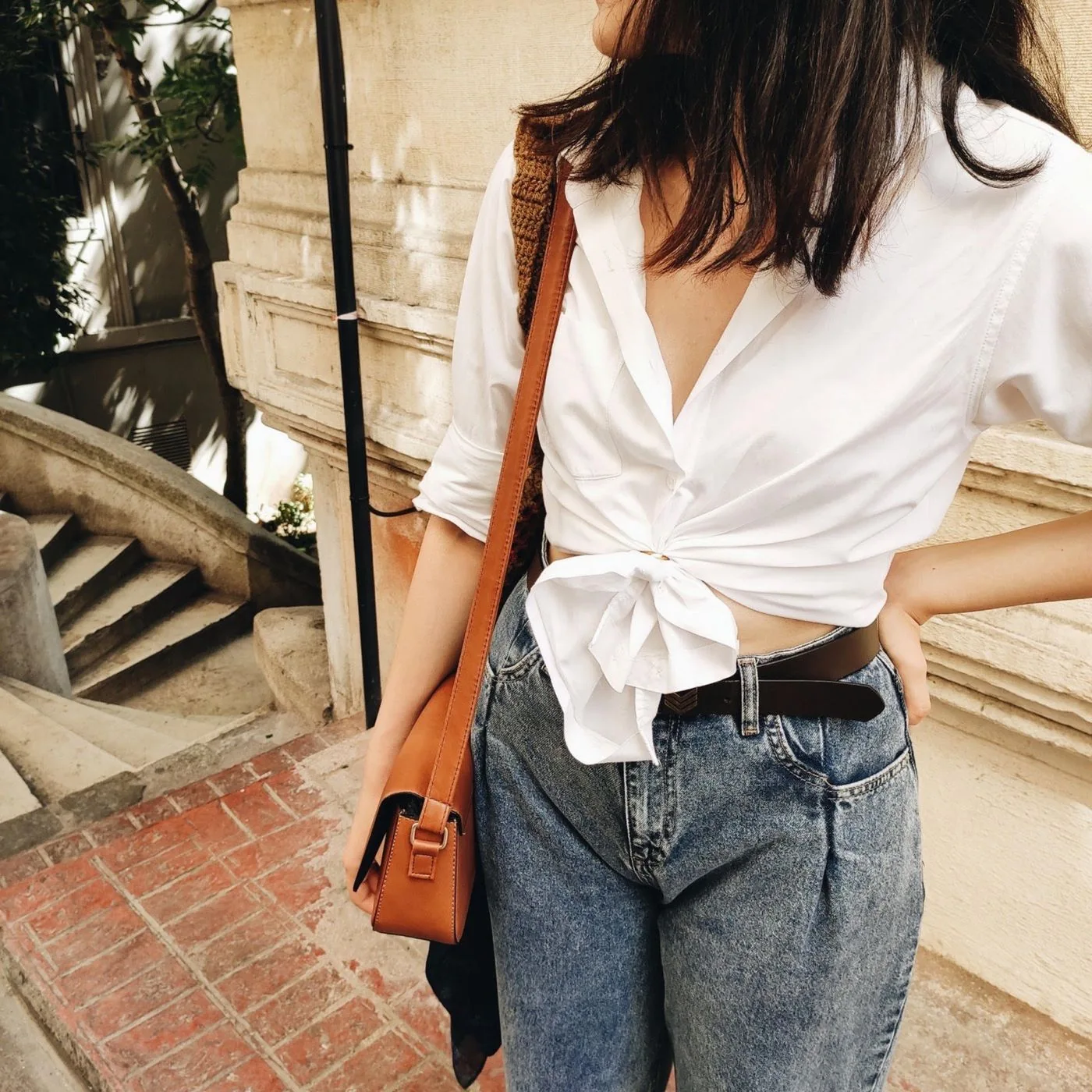
Some shirt cuffs offer more than one fastening position, while others have a single intended arrangement or decorative buttons. Before deciding that an opening is too loose or too tight, look at the actual construction. A different supported position may change the way the sleeve sits, but it should be checked in the context of the whole outfit and the movements you expect to make.
Identify the intended fastening
Examine the cuff and the garment's supplied information without forcing any opening. Distinguish working buttons and buttonholes from decorative details. Do not assume that an extra button provides an alternative fastening if it is actually a spare or part of another feature. Ask the seller or maker about unclear construction when needed.
Check the shirt in its current condition. A damaged fastening needs an appropriate repair assessment rather than a styling workaround that puts more strain on it. Follow the garment's instructions and obtain suitable professional help where the construction or alteration question is beyond an ordinary fit check.
Compare supported positions one at a time
Fasten the cuff as intended and notice how it sits without pulling the sleeve into a pose. If another position is genuinely provided, compare it while keeping the rest of the outfit similar. An open jacket, a watch or a different layer can change the impression, so avoid changing every element at once.
Do not treat the narrowest opening as automatically neater. The relevant question is whether the cuff works comfortably and appropriately for its intended use. A photograph of a still hand can conceal the way the sleeve moves when reaching, typing or putting on another layer.
Include ordinary movement
Try the relevant gentle movements in a suitable setting while following any fitting or return requirements. Notice whether the fastening catches another item or restricts normal use. Avoid repeatedly pulling at the cloth to make a position appear acceptable. A shirt that only works in a carefully held pose may not suit the intended day.
The ordinary fit-check guide encourages looking beyond the most convenient front view. Apply that idea to the sleeve as well. Check the cuff with the actual nearby layer or accessory rather than assuming that a successful isolated adjustment settles the whole outfit.
Keep a specific conclusion
Write a short note if the positions have different useful roles. Describe the supported fastening and the outfit context instead of making a vague rule about always using the tighter option. If neither arrangement works, identify that fit question before considering a purchase or an appropriate alteration.
The wardrobe next-action article can help turn the observation into a manageable decision. You may need to ask about the construction, compare another size or choose a different shirt. The check is complete when the fastening's actual role is understood, not when every cuff has been made to look identical.