Capsule Wardrobe
How to Choose a Winter Coat for Your Actual Commute
Compare winter outerwear through walking time, transport, layering and weather protection before choosing a silhouette.
Less, but useful
A smaller wardrobe that makes more sense for the way you live.
Compare winter outerwear through walking time, transport, layering and weather protection before choosing a silhouette.
Use two reliable trouser shapes to simplify a working week without making every outfit feel identical.
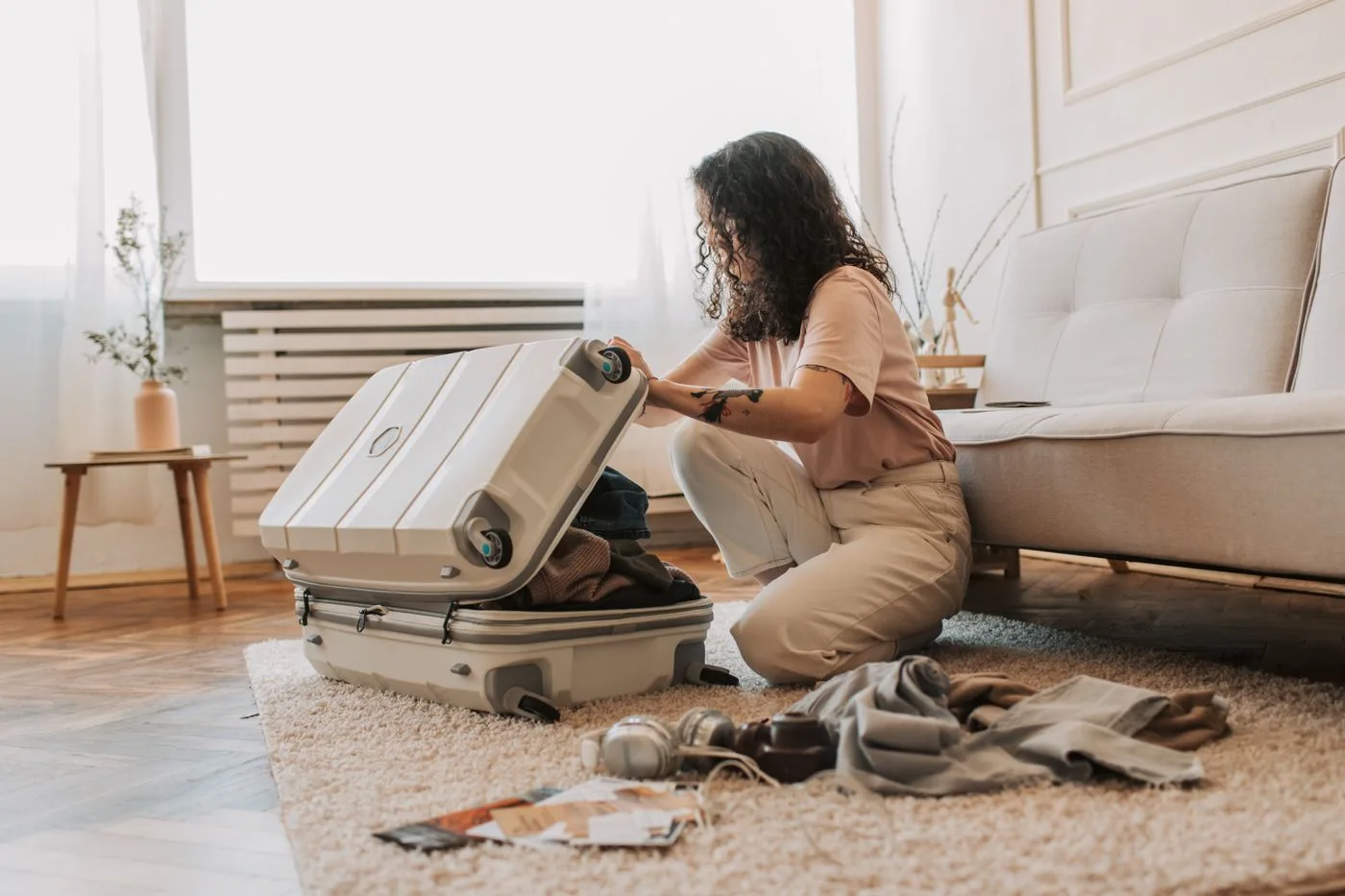
Pack outfits around the trip's activities, weather and shoes rather than filling a bag with just-in-case options.
Build a compact autumn wardrobe around the appointments, weather and laundry days already on your calendar.
Choose removable layers by temperature, sleeve fit and storage space rather than collecting one of every silhouette.
Keep the ease of neutral outfits while adding color in places that suit your clothes and your daily routine.
Compare winter outerwear through walking time, transport, layering and weather protection before choosing a silhouette.
Use two reliable trouser shapes to simplify a working week without making every outfit feel identical.
Compare winter outerwear through walking time, transport, layering and weather protection before choosing a silhouette.
Use two reliable trouser shapes to simplify a working week without making every outfit feel identical.
Pack outfits around the trip's activities, weather and shoes rather than filling a bag with just-in-case options.
Build a compact autumn wardrobe around the appointments, weather and laundry days already on your calendar.
Choose removable layers by temperature, sleeve fit and storage space rather than collecting one of every silhouette.
Keep the ease of neutral outfits while adding color in places that suit your clothes and your daily routine.
Use cost per wear as a reality check, with honest estimates and care costs, rather than as permission to overspend.
An outfit-based closet audit that separates genuine gaps from duplicate purchases and forgotten favorites.
Plan another complete outfit around an evening dress already owned, changing only supporting pieces that suit the new occasion and personal comfort.
Give a sleeveless dress a clear layer and occasion before treating another cardigan or jacket as a necessary purchase.
Use a printed scarf within an existing dark outfit, checking its actual role, comfortable placement and the version worn without it.
Choose the outfit and occasion for a travel hat before deciding whether its care and carrying requirements fit the journey.
Make a closet shopping note specific enough to check before browsing, including the outfit role and the information still needed.
Agree a borrowed top’s use, care and return before including it in a travel wardrobe, then keep its temporary role clear during unpacking.
Compare two similar pieces by their actual outfit roles before treating one as a necessary backup or deciding another purchase fills a gap.
Choose a practical place for a removed knit layer in the actual day bag instead of planning the outfit only while every layer is worn.
Make the final clothing decisions before closing the case, then remove alternatives that no longer have a clear trip role.
Review the layers used on a trip before returning them to the closet, using their actual condition and the next outfit plan.
Make a bright-jacket outfit photograph useful for future dressing by recording its supporting garments, normal lighting and the arrangement you actually wore.
Give a matching jacket and shorts or trousers independent outfit roles, then compare the combinations with what you already own before adding more pieces.
Separate private wardrobe plans from ideas you choose to share as gift suggestions, keeping each list specific without making another person responsible for completing your closet.
Give an outfit note a findable description, identifying the actual pieces and occasion so a useful reference remains understandable after the immediate decision has passed.
Retire an old outfit photograph when its clothes have changed, keeping current wardrobe references distinct from inspiration and records of pieces you no longer own.
Separate a wardrobe replacement from an additional piece, identifying what will actually leave and what new role is needed before using replacement as a reason to shop.