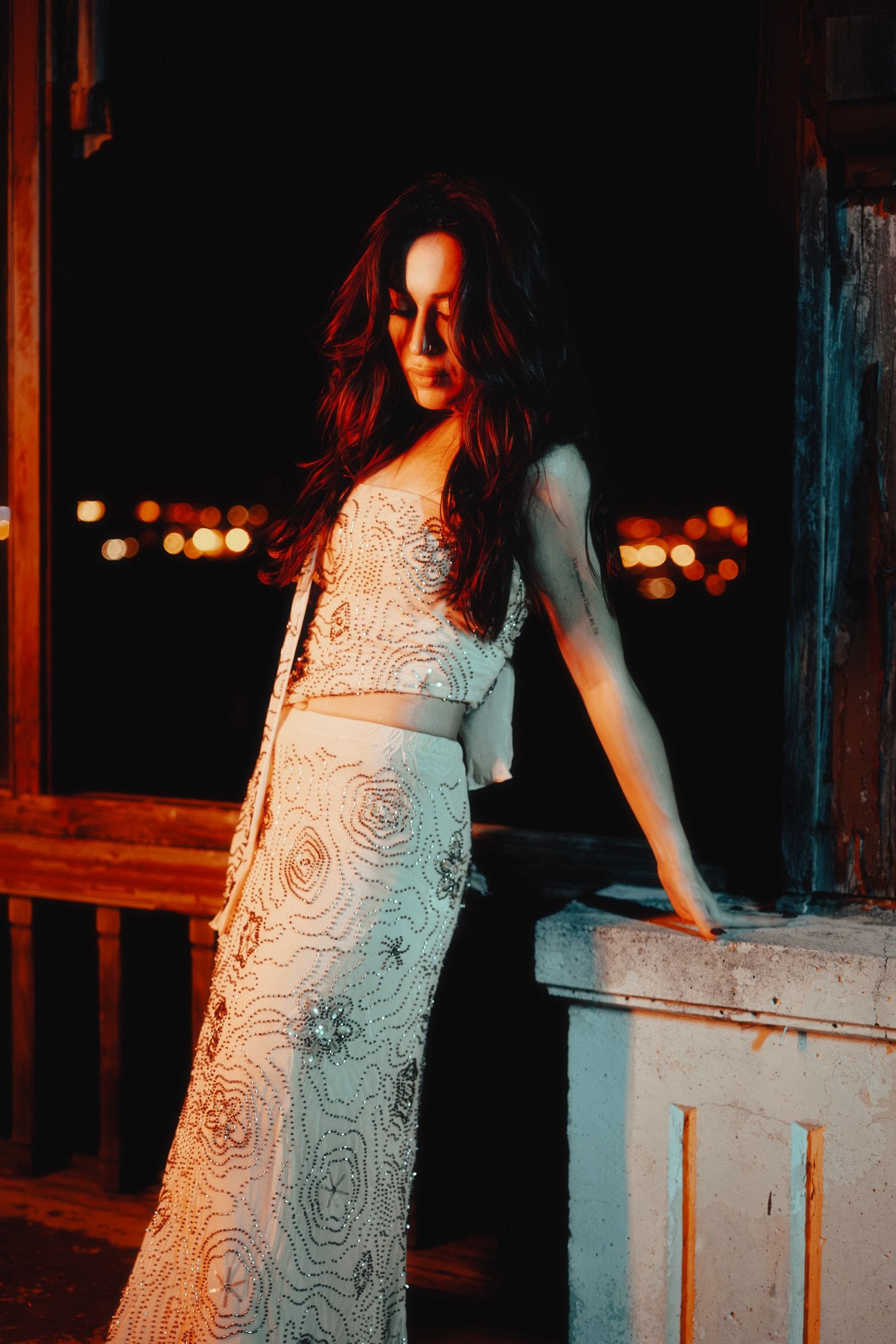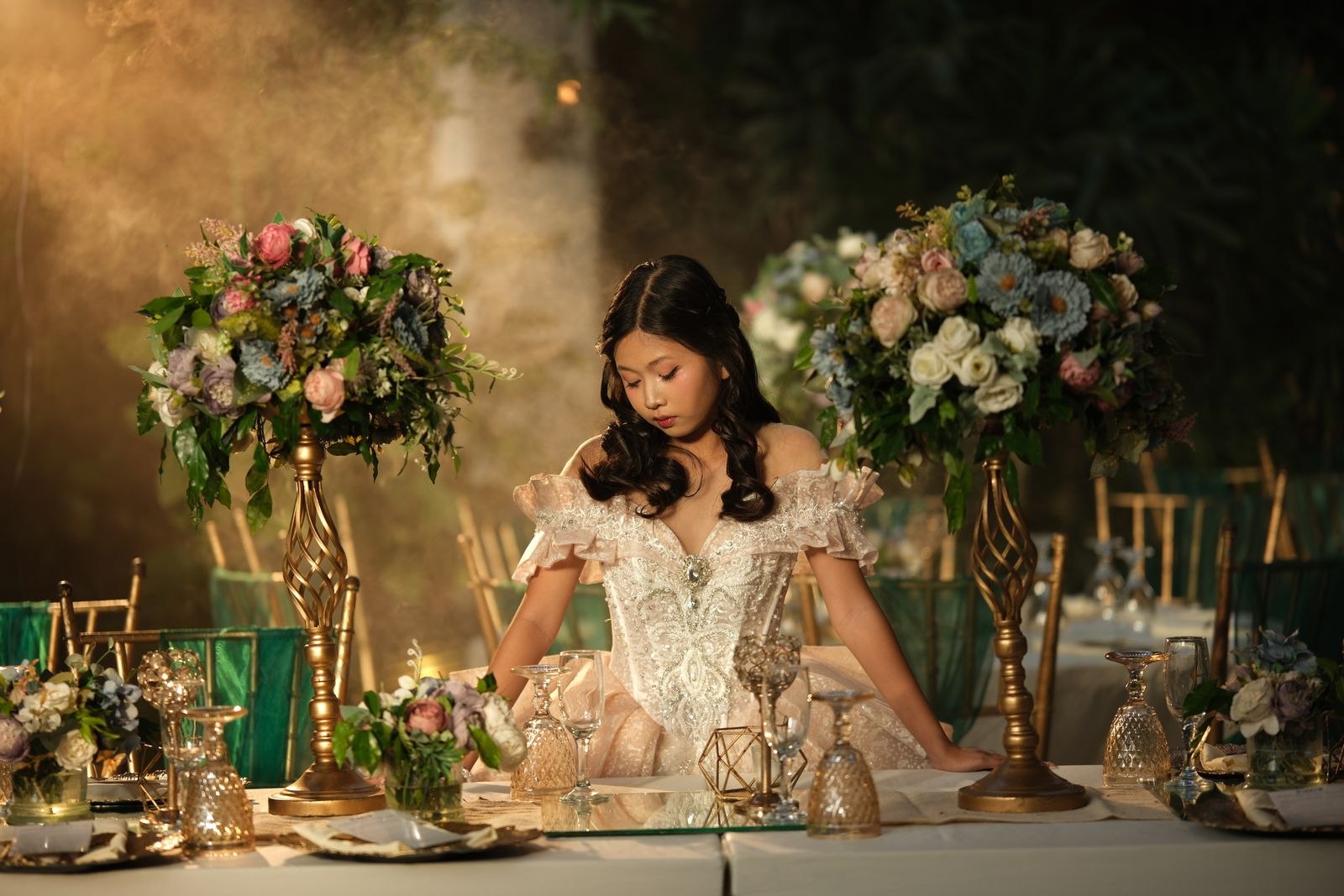
An occasion outfit spends surprisingly little of its evening in the exact position shown by a full-length mirror. You may sit for dinner, stand to greet someone, retrieve a coat and carry a small bag between rooms. Those transitions are useful to consider before an event. They help you choose an arrangement that feels like an outfit you can inhabit rather than a pose you need to maintain.
Reconstruct a small part of the event
Begin with the information you actually have: the venue description, the expected activities and your own role. A seated meal and a standing reception can create different practical questions even when their dress codes sound similar. Write down two or three ordinary movements you expect. There is no need to predict every moment; choose the ones that could change how the outfit works.
Try the complete clothes with the intended shoes and any underlayers. Sit in a normal chair, stand again and take a few steps. Notice where the fabric naturally settles. A skirt may need a different arrangement once seated, while a jacket may feel better removed during dinner. If that is your plan, decide where the jacket belongs rather than assuming you will keep it on throughout the event.
Include the objects you will carry
Add the evening bag with its realistic contents. Check whether you can open it, close it and carry it without constantly rearranging the rest of the outfit. A small bag can look right and still be awkward if a closure competes with sleeves or jewellery. Observe the specific interference before deciding whether another accessory is needed.
If you expect to use a wrap or coat, practise that transition as well. Put it on and remove it while the outfit is complete. Consider how you will hold it during arrival or while waiting for a place to leave it. This is especially useful when the garment beneath has a neckline or sleeve detail that can catch your attention during dressing. Work with the actual pieces rather than an imagined generic layer.
Keep the successful arrangement simple
Make one change and repeat the movement that raised the question. Removing a bracelet, changing a bag or choosing a different outer layer may be enough. Avoid responding to every small adjustment by rebuilding the whole outfit. Some garments naturally require a brief smoothing when you sit; the important distinction is whether that feels manageable to you during the occasion.
Save a note about the version that worked, including any planned layer removal. Pack only the components you intend to use, and leave experimental alternatives out of the final decision unless there is a concrete reason for them. On the day, a short movement check can confirm that nothing was missed. The goal is a considered outfit with enough practical freedom to let you pay attention to the people and purpose of the event.
Related reading
Buying Occasionwear When You Want to Wear It Twice, Plan a Different Supporting Outfit for the Same Evening Dress.