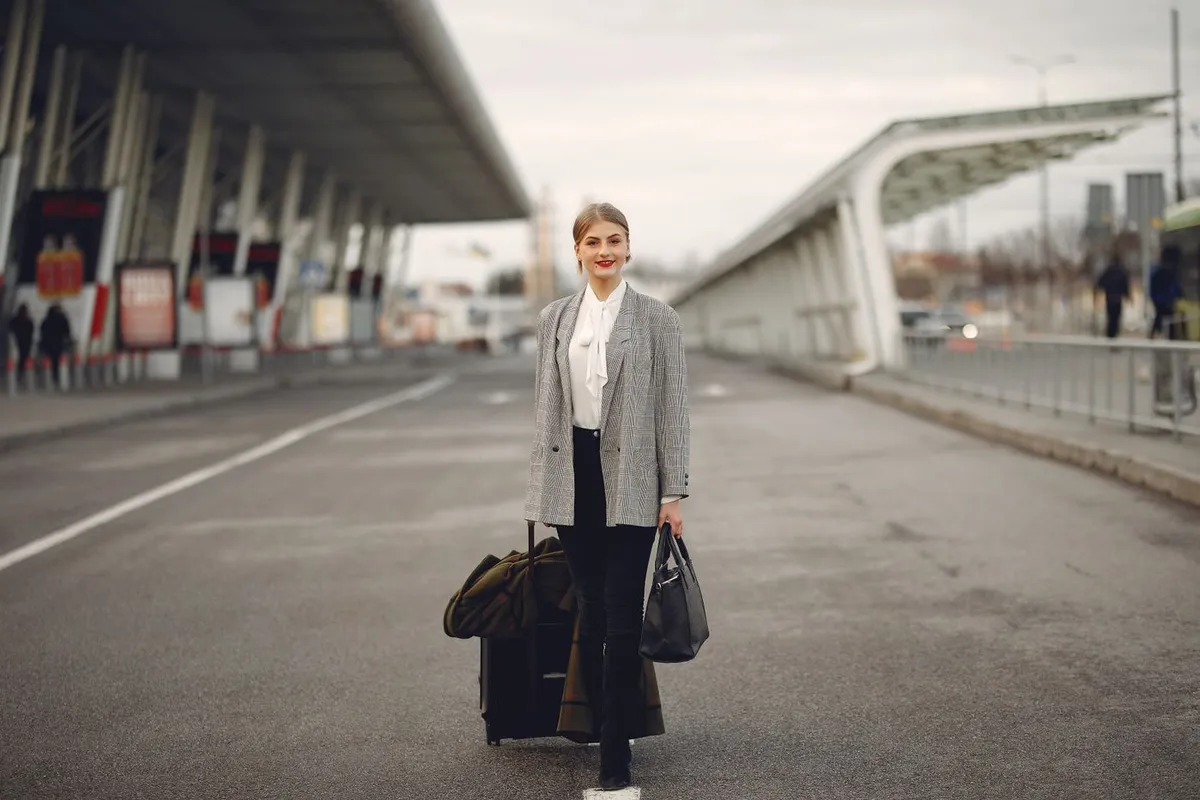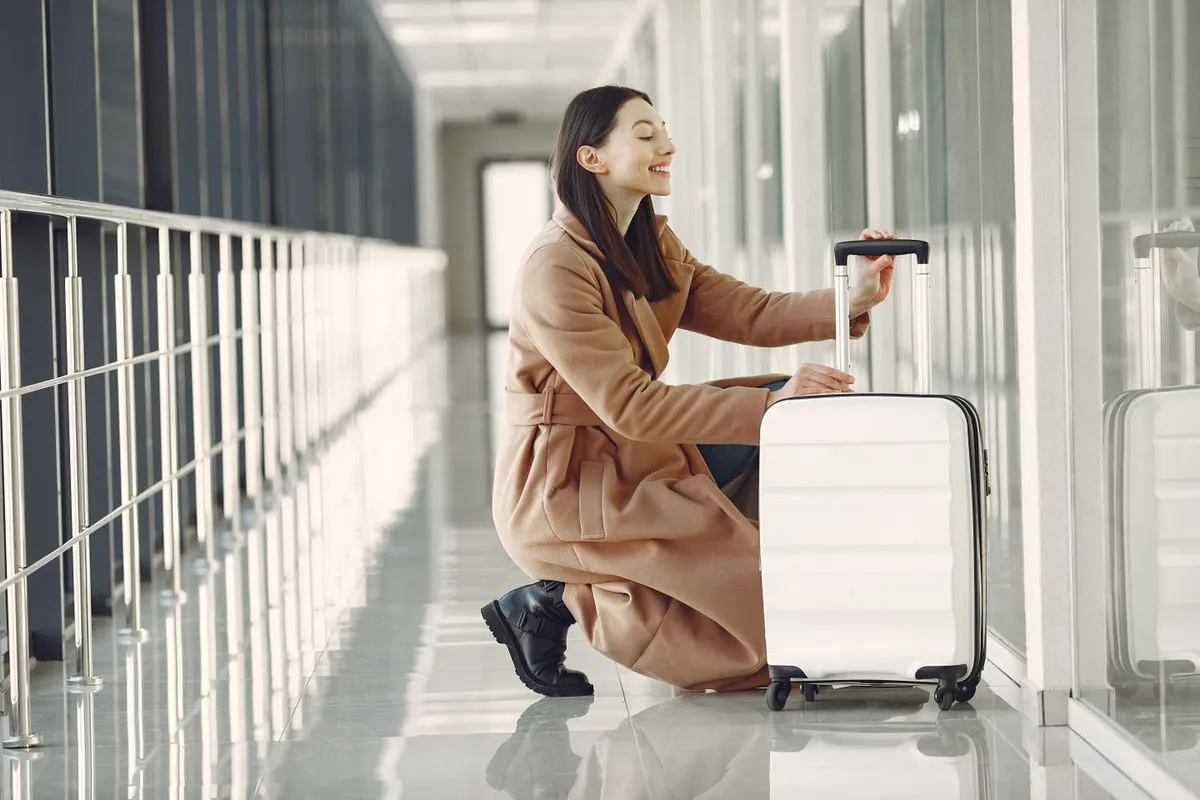
A train outfit has several versions during one journey. You may board wearing an outer layer, remove it after sitting and put it back on for the next transfer. Try that sequence before choosing the final combination. Check current route and luggage requirements with the relevant operator, and keep personal comfort central. The useful outfit is one that works through ordinary changes, rather than a single standing view that ignores what happens once the bags are stored and the journey settles into its seated stage.
Begin with the seated base
Try the top and lower half together while sitting in an ordinary chair. Notice the waistband, seams and the movement you expect to make during the journey. Follow any personal guidance relevant to your needs rather than assuming one garment style suits every traveler. Keep the outfit practical for the actual route and facilities. A base that feels comfortable only while standing will not become more useful because another layer coordinates well with it. Resolve the seated combination before adding the outer clothing and accessories.
Remove the layer without losing the outfit
Take off the jacket, cardigan or other appropriate layer and check the remaining combination. Choose a top you are comfortable wearing in that setting rather than relying on the outer piece to make the outfit feel complete. Account for the conditions you reasonably expect while allowing the plan to remain flexible. Avoid adding more garments solely to cover an unresolved base choice. The sequence is simpler when each stage uses a clear combination you have already tried, not an improvised version discovered after boarding.
Give the removed garment a suitable position
Follow the clothing's care needs and the operator's instructions for belongings. Choose a suitable way to store or carry the layer without obstructing other passengers or required access. Do not assume it can be balanced on any nearby surface or attached to a bag that was not designed for the load. Consider the actual luggage group and your own handling ability. A useful outfit plan includes what happens to the removed piece while it is no longer being worn during the middle of the journey.
Rehearse the return before moving
Put the layer back on and check sleeves, bag straps and the footwear intended for the transfer. Keep belongings secure and allow appropriate time to prepare before arrival, using the current journey information. Avoid leaving the whole clothing change until you are already moving through a busy station. A short preparation stage is easier when the layer has a dependable position and the outfit does not require several adjustments before it can be worn comfortably again.
After the journey, remember which part of the sequence worked and where the outfit needed attention. You may prefer a different sleeve, a more practical carrying arrangement or another base already owned. Use that specific observation for a similar trip instead of buying a complete travel wardrobe. The useful train outfit is a small set of clothes you can sit in, adjust appropriately and return to during the route, supported by current information and a realistic plan for the belongings you carry.
Continue planning with Airport Outfits for Long Flights and Changing Temperatures, A Walking-City Break Wardrobe That Fits in a Carry-On.