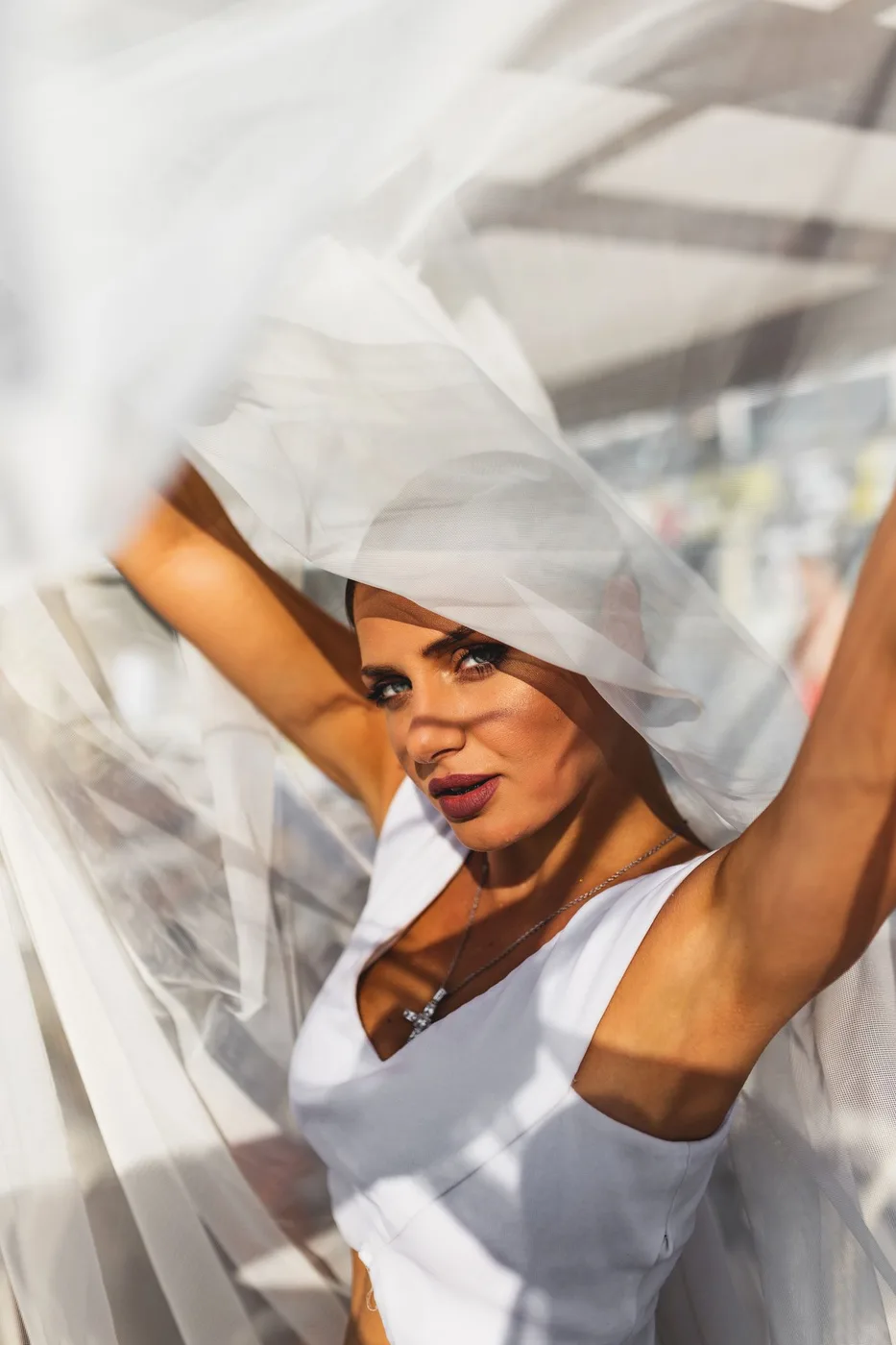
A sheer layer can change an outfit with little visual weight, but the fabric still needs appropriate handling. Try it with the bag intended for the outing and check the points where the two items meet. Follow both products' care and use instructions rather than assuming delicate-looking fabric can be treated like every other top. The useful outfit is one you can carry and move in comfortably, with the layer's role understood beyond the still view in a mirror.
Identify the layer's actual purpose
Choose the garment because it serves the outfit you want to wear, whether as an additional visual layer or another role appropriate to the product. Do not infer warmth, protection or performance from its appearance. Read the information for the actual piece and check personal comfort with the intended clothing underneath. The base outfit should remain understandable if the layer is removed where appropriate. A clear role prevents another garment being added simply because the combination seems unfinished without knowing what practical or visual need it addresses.
Check the care information first
Follow the garment's instructions for handling, storage and any relevant cleaning needs. Similar-looking sheer fabrics may require different treatment. Keep jewelry and other accessories in the comparison where they contact the garment, without assuming a particular material is harmless because it feels smooth to the hand. If a care question is unclear, seek appropriate information before using the combination. The outfit plan should respect the actual construction rather than rely on an improvised promise that careful movement alone will solve every contact issue.
Try the bag as it will be carried
Use the bag according to its design with the relevant contents appropriately stored. Notice the strap, handle and hardware positions against the layer while standing and sitting. Avoid forcing a strap into a role it was not designed to serve. Keep your own comfort and the garments' instructions central. An empty bag held away from the body does not represent the ordinary carrying arrangement. The useful check includes the contact points that occur when your hands are occupied and the bag sits in its intended position.
Compare a simpler supporting group
If the combination needs constant adjustment, try another suitable bag already owned or reduce optional accessories. A different carrying method may suit the day, but confirm it is appropriate to the bag and comfortable for you. Do not assume another purchase is required before testing the pieces available. The layer can remain the interesting part of the outfit while the supporting group stays modest. A clear combination is easier to repeat than one that depends on holding every item in a particular position throughout the outing.
After use, check the garment and return it through its appropriate care and storage routine. Keep a note of the successful bag pairing if that helps with another occasion. A sheer layer does not need to be reserved for a special photograph, but its practical handling belongs in the outfit decision. Choosing the contact points deliberately lets the clothing and bag work together, with the actual products and your comfort guiding the arrangement rather than a general styling rule about delicate fabrics.
Continue planning with Buying Occasionwear When You Want to Wear It Twice, A Small-Bag Packing List That Leaves Room for the Essentials.