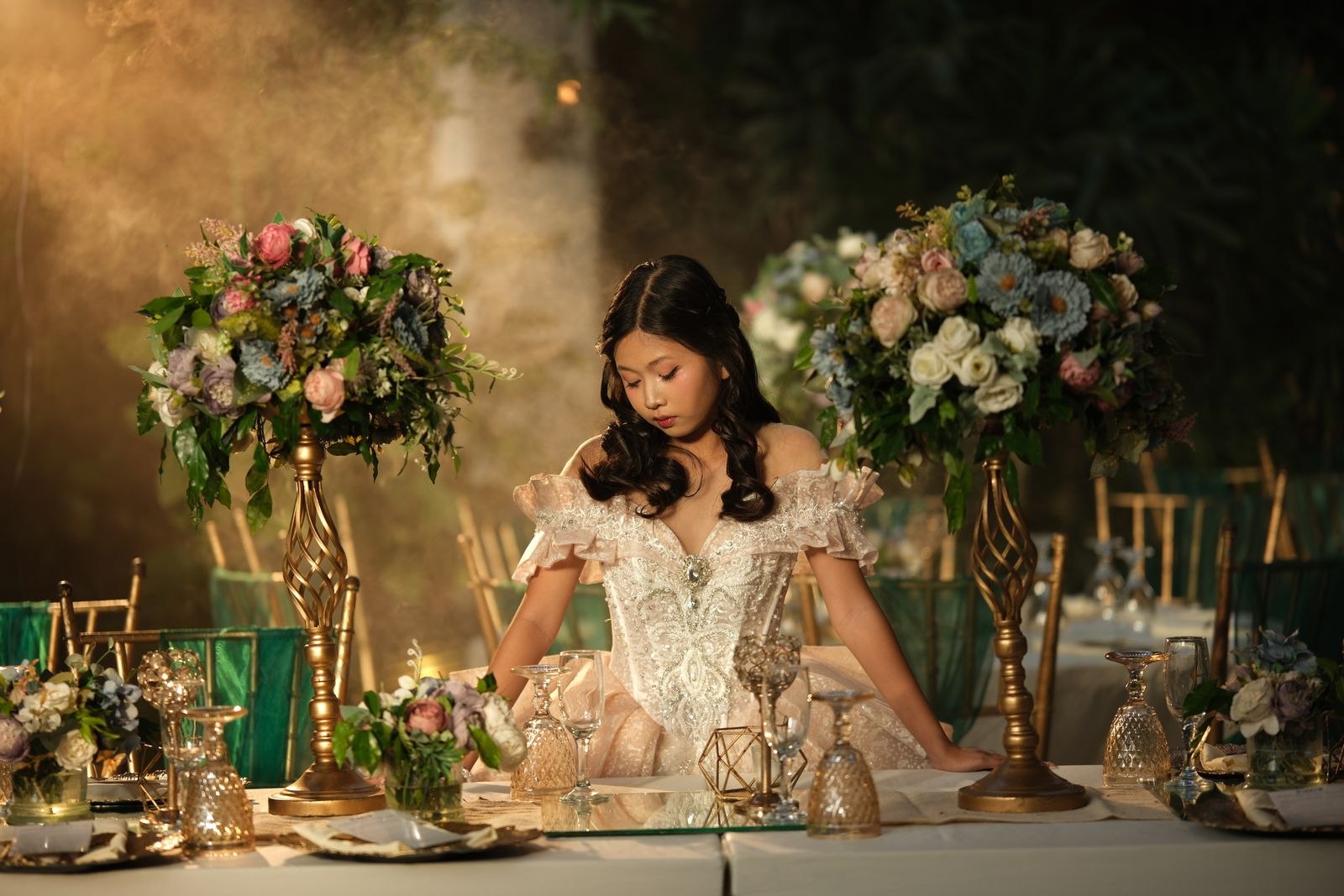
An outfit for a live event may need to accommodate more movement than its arrival photograph suggests. You might stand, sit, reach for a bag or raise your arms. Include those ordinary actions in a suitable fit check before deciding the combination is ready. The goal is to participate comfortably in the actual event, not to imitate every movement you have seen in a crowd photograph.
Identify the relevant activity
Use the actual event and venue information to understand the arrangement. A seated performance and a standing gathering may place different practical demands on clothing and belongings. Follow relevant access, bag and clothing requirements from the organiser instead of assuming that another venue's process applies.
Think about your own intended participation. You do not need to plan around an activity you will not do, but you should include the ordinary movements the day genuinely involves. Keep individual access or comfort requirements in the decision and seek appropriate advice where needed.
Try the complete combination
Wear the relevant supporting layers, shoes and appropriately loaded bag in a suitable setting, following care information and any seller fitting conditions. A top that works alone may behave differently under a jacket or beside a strap. Avoid removing every practical item just to make a trial easier.
The sitting-and-standing occasion guide offers a starting point for a movement-based check. Add only the actions relevant to this event and keep them within a safe ordinary range. Do not force a garment or repeat an uncomfortable movement to persuade yourself that the fit will become suitable.
Notice what requires constant correction
Watch for a piece that shifts in a way you do not want whenever you make a normal movement. Decide whether a different existing layer or combination resolves the problem. A solution that depends on holding the clothes still may undermine the purpose of attending the event.
Keep any alteration question separate from an improvised styling fix. Follow suitable product instructions or obtain an appropriate professional assessment before changing the garment. Do not assume that adhesive, pins or a new accessory is suitable for every fabric, skin circumstance or event.
Choose the outfit that supports the day
Compare the practical result with the appearance you want. Another combination may offer a different silhouette while asking for less attention during the performance. There is no requirement to preserve the first idea if it makes ordinary participation awkward. The event itself should remain part of the decision.
The wardrobe next-action article can help turn an unresolved fit issue into a specific task. You may need to try an existing top, check the venue information or choose another bag. A useful outfit check ends with a combination that works for your intended activity, not only with a convincing photograph taken before you move.