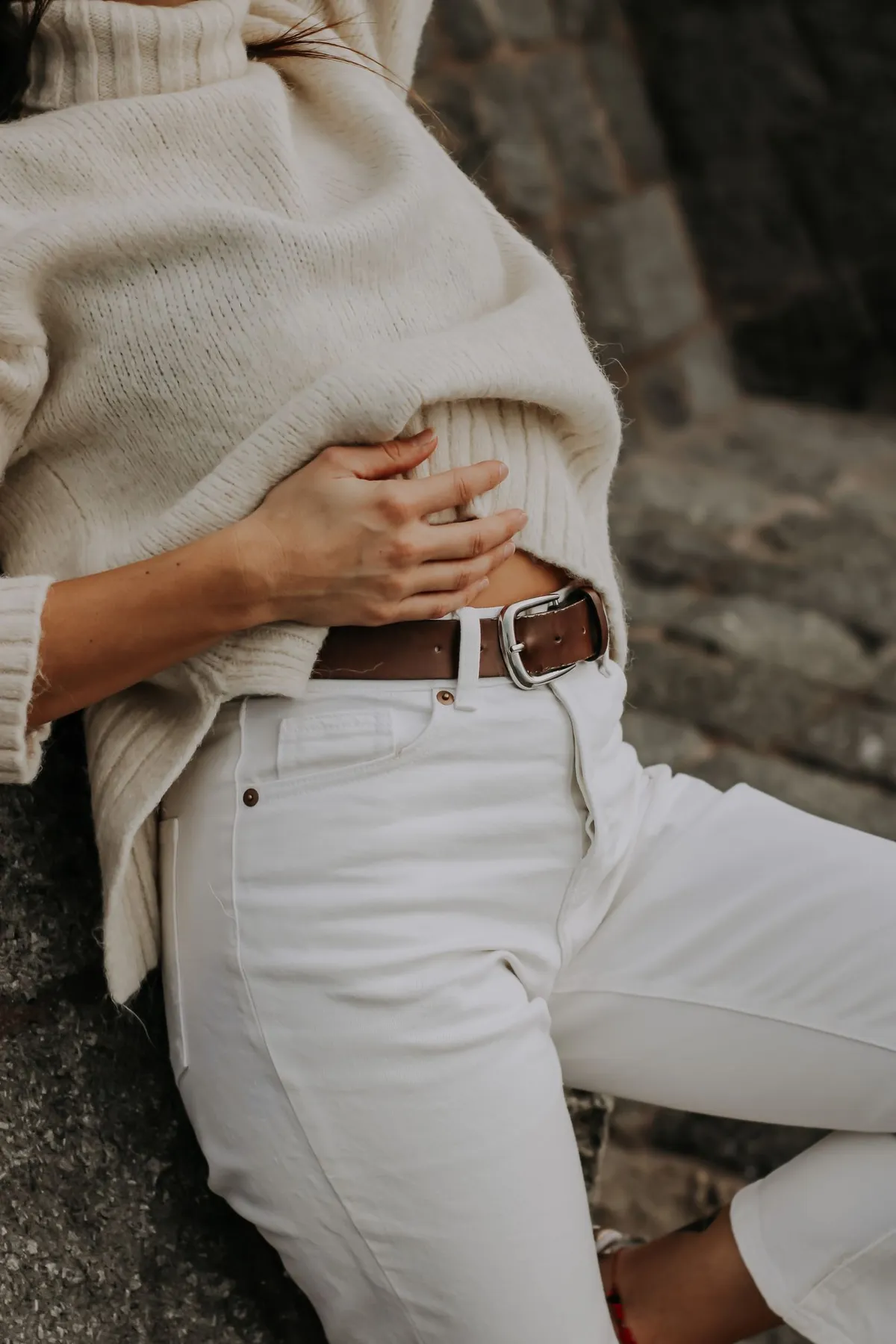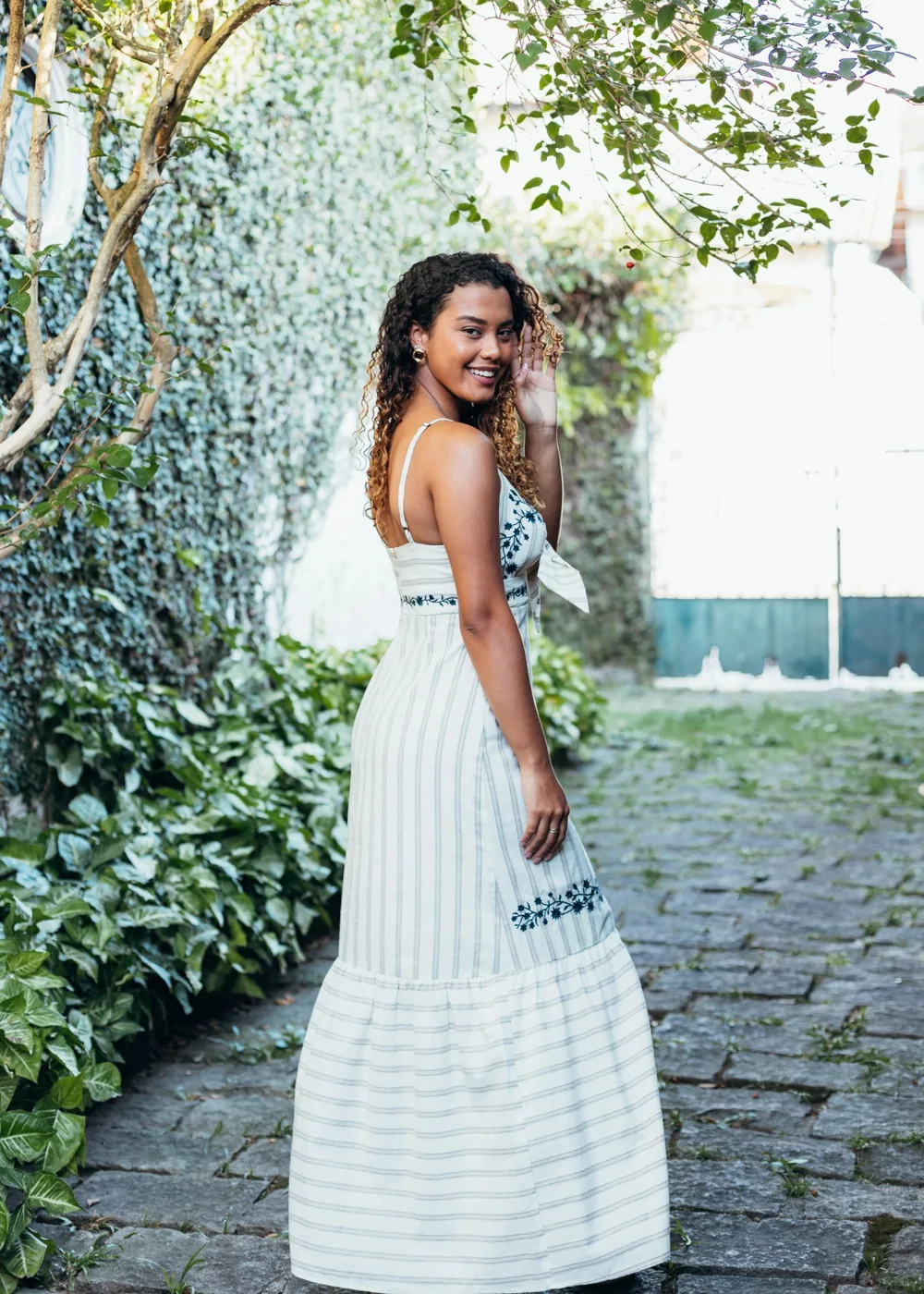
An optional styling belt can change how a dress looks, but it does not automatically turn one garment into two useful outfits. Start by establishing whether the belt is genuinely optional and how the dress is designed to be worn. Then compare the versions through an ordinary day rather than through two carefully posed photographs. The aim is a choice you can understand and repeat with the pieces you already own.
Establish what is optional
Read the garment information and identify which parts are supplied or attached. Do not remove, cut or alter a component simply because another dress was styled without one. If the construction is unclear, ask the maker, seller or an appropriate professional before changing it. A belt used as a photograph prop is also different from a component that belongs to the garment itself.
For a piece you already own and can appropriately wear both ways, begin with the dress alone. Keep the other clothing and accessories steady so that the comparison remains understandable. Changing shoes, jacket, bag and belt together may produce two appealing photographs without showing which difference actually affected your preference.
Compare the outline and the ordinary movement
Notice where the dress's volume falls in each intended arrangement. Consider whether either version needs repeated adjusting when you sit, stand or reach during its ordinary use. Do not turn the comparison into a test beyond the garment's instructions. You are deciding how you prefer to wear your own item, not proving a universal rule about which silhouette is most flattering.
The dress movement guide can help connect the choice with a real outing. The preferred belt arrangement should remain part of that practical decision rather than replacing it with an isolated waistline photograph.
Use a belt you already understand
If another suitable styling belt is an option, follow the relevant guidance for both items and consider their contact and intended use. Do not assume that any decorative accessory is appropriate for the garment. Compare the complete fastening and loose ends as well as the front view, and avoid an improvised arrangement that needs constant attention to remain in place.
The everyday belt guide offers a broader way to assess the accessory. You may find that the dress already has the range you need and that buying another belt would merely add a third version you rarely choose.
Record the version that serves an actual plan
Keep a simple note about which arrangement you prefer for a particular situation, if recording outfits helps you. An optional belt is useful when it supports a look you genuinely want to wear. It is equally reasonable to prefer the unbelted dress every time. The successful comparison ends with a clear preference, not an obligation to extract as many imagined outfits as possible from a single item.