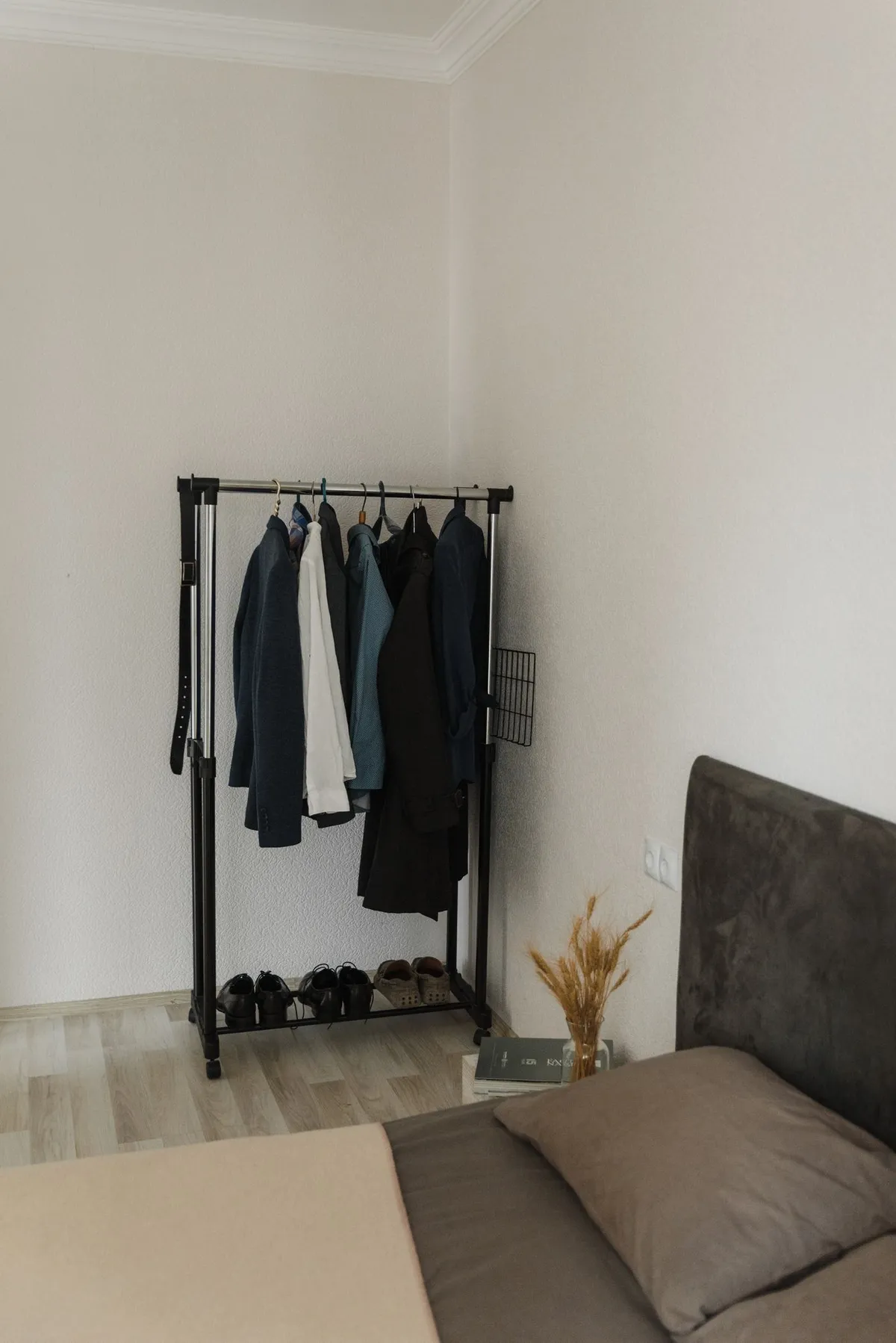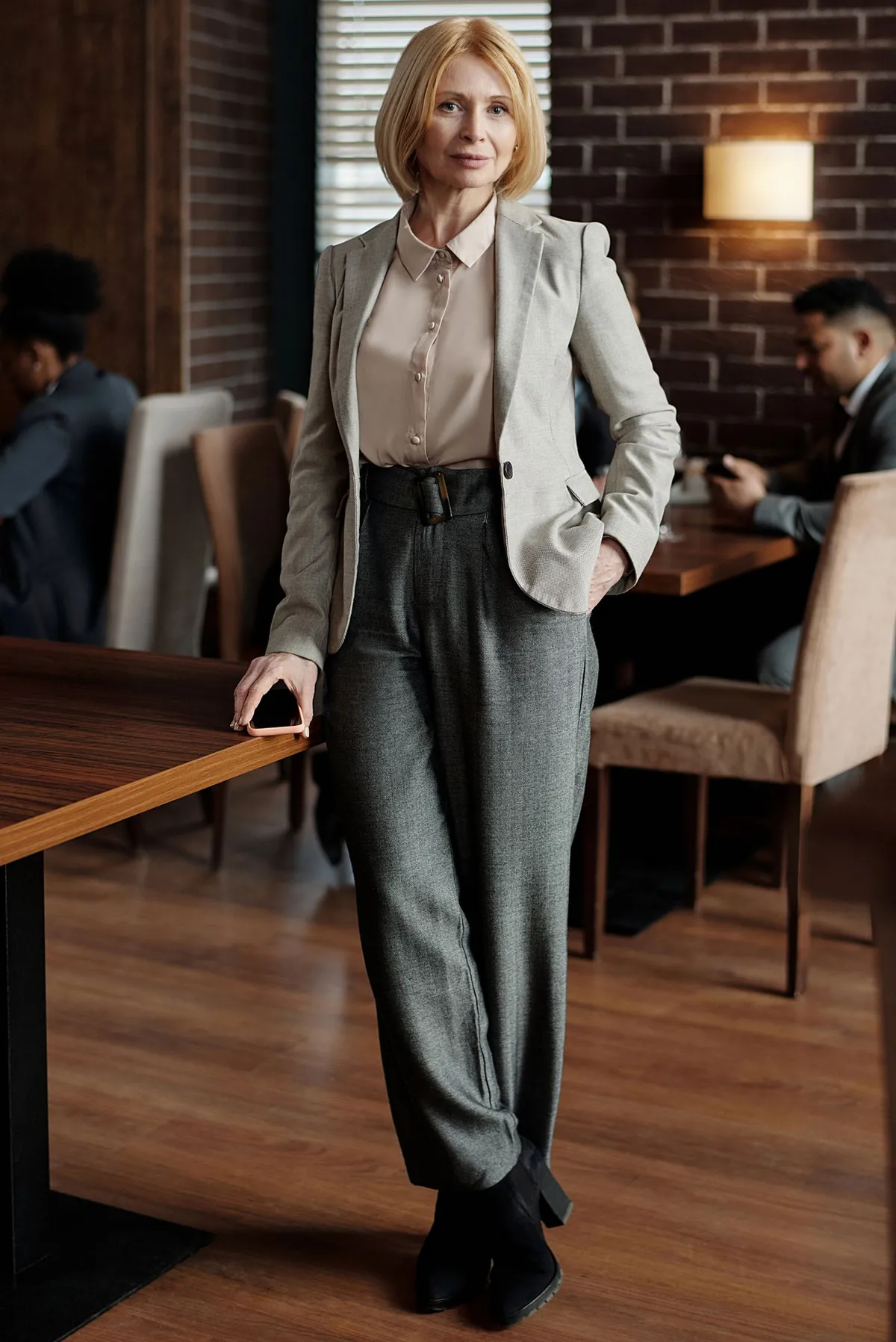
A work presentation can make familiar clothes feel suddenly inadequate. You may start looking for a suit when the real need is an outfit that suits the room, sits comfortably and does not distract you while speaking. For many workplaces, existing separates can accomplish that job.
Start with the audience and setting. An internal update at a casual office differs from a formal client pitch or a conference stage. Check the expectations before deciding that new tailoring is necessary. If a suit is explicitly required, follow that requirement; otherwise, focus on a coherent outfit rather than a matching label.
Choose the part that will be visible
For a video presentation, the top half receives most of the attention, but the entire outfit should still let you stand up comfortably. Check the camera framing, background and light before choosing a patterned shirt or elaborate sleeve. A busy pattern can compete visually with the screen, even when it looks appealing in person.
For an in-person presentation, think about the full silhouette and your movement. Will you stand behind a lectern, walk around the room or sit with the audience afterward? Try the outfit while doing those things. A skirt that needs adjusting every time you turn can become a problem long before anyone notices its style.
Build a quiet base
Well-fitting trousers and a plain shirt or knit give you a useful starting point. The pieces do not need to be identical in color. Navy trousers with a cream top, or charcoal with a soft blue shirt, can look considered without imitating a suit. Keep the contrast comfortable for you and appropriate to the workplace.
Check the fabric in ordinary daylight. Thin pale tops may be more transparent than expected, and a dark trouser can show lint under strong lighting. Deal with small repairs and pressing early so you are not working through a checklist immediately before the meeting.
Choose a neckline that feels comfortable when you lean forward or turn to look at a screen. If you wear a microphone, ask the organizer about the equipment so you can consider where it will attach. Do not assume a delicate neckline or loose scarf will accommodate every setup.
Add structure only where it helps
A blazer can sharpen an outfit, but a jacket that restricts your arms is an unnecessary distraction. Put it over your chosen top and practice reaching, pointing and sitting. Check the pockets for items that distort the front and the sleeves for bunching.
If a jacket is optional, a tidy cardigan or a substantial knit may be sufficient in a relaxed setting. The choice should reflect the room and your usual style. Wearing something that feels completely unlike you can create another layer of self-consciousness during an already demanding task.
Keep the finishing details predictable
Wear shoes you have already used for a similar amount of standing. Check their condition and the hem length above them. If you need to walk to the venue, bring a practical alternative only when there is somewhere sensible to store it.
Keep jewelry and bag contents manageable. A bracelet that makes noise when you gesture or a bag that spills papers can draw your attention away from the presentation. Bring the documents and equipment you need, then remove unrelated clutter.
Preparation checklist
- Confirm dress expectations and whether there is microphone equipment to accommodate.
- Practice a short section of the talk in the complete outfit.
- Check sitting, walking, reaching and camera framing where relevant.
- Inspect seams, buttons, hems and shoe condition the day before.
- Have one clean alternative top available for a spill or weather change.
- Put presentation materials in a bag that closes and keeps them easy to retrieve.
Buying checklist
Buy only for the repeated gap. A useful blazer should work with several existing lower halves; a new shirt should also serve ordinary workdays. Check measurements and return conditions, and leave enough time for necessary alterations. Skip a full suit if it solves one uncertain event and your workplace does not require it.
Tradeoffs
Separates offer more everyday combinations, but a matching suit removes some coordination decisions. A light shirt can look crisp and show creases or spills more readily. A darker knit may feel easy yet be too warm in a crowded room. Choose for the actual environment rather than the most formal outfit you can assemble.
Once the outfit passes the movement check, stop revising it. Your preparation time is better spent making the presentation clear. Clothes should support that work, not become a second project with its own deadline.