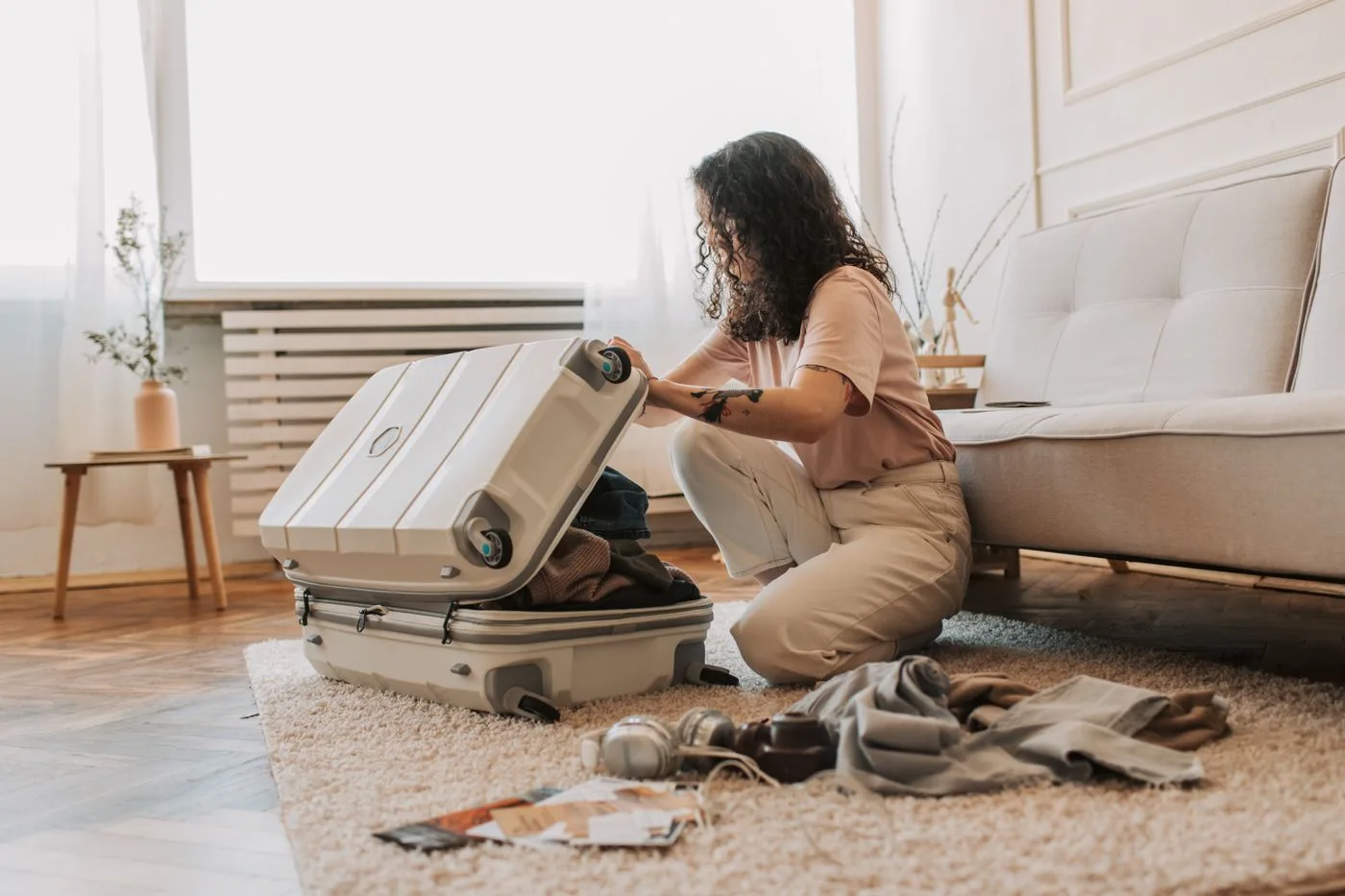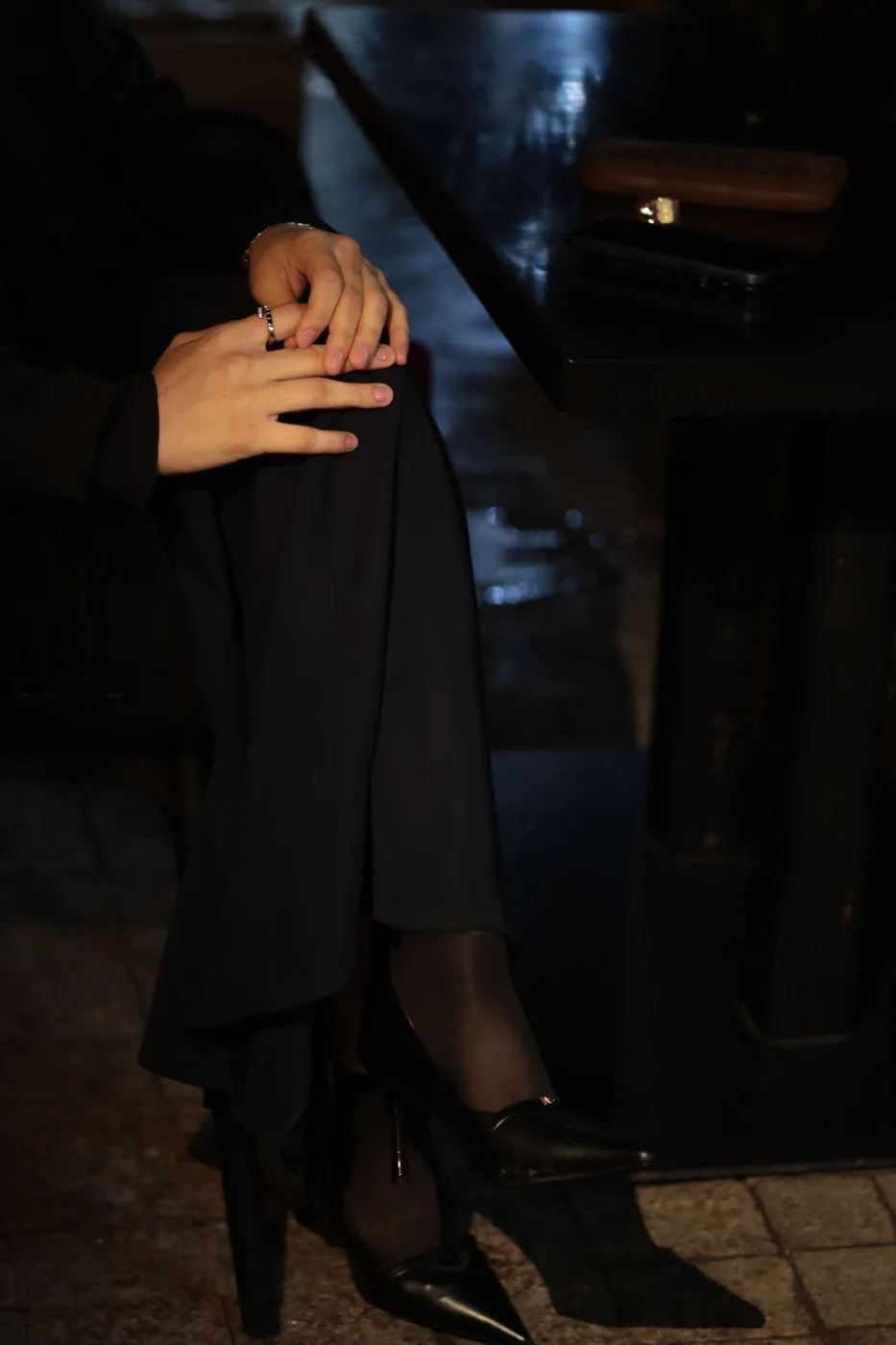
An occasion outfit may be planned around changing after work or after a journey. That plan depends on more than carrying the clothes. You need an appropriate place, enough practical access and an agreed arrangement for the pieces you remove. Confirm those details before deciding that a change at the venue solves the whole day. A cloakroom or bathroom is not automatically an available dressing space.
Confirm the place through the actual organiser
Ask the appropriate venue or organiser what facilities are available for the specific occasion. Check relevant timing, access and any restrictions directly. Do not rely on a photograph from another event or assume that a room used by performers is available to every guest. Keep any permission clear and specific.
Consider whether the space suits your actual needs without sharing more personal information than necessary. If the arrangement is unsuitable or unconfirmed, compare a different outfit or a change elsewhere. An uncertain changing place should remain an unresolved question rather than becoming a silent dependency in the plan.
Plan both outfits as complete arrangements
List the clothes, shoes and appropriate supporting items needed for each part of the day. Check how the occasion pieces will travel according to their supplied information. Do not assume that a garment can be compressed, hung or handled in a particular way merely because it is convenient for the journey.
The open-case wardrobe decision guide can help test what is genuinely ready before packing. Include the items you remove as well as the ones you put on. A complete change creates something else to carry, store or take home.
Give removed clothing a destination
Agree where the first outfit and its associated belongings will go. Check the venue's actual storage process if using it, including what is appropriate to leave there. Keep necessary personal belongings under your own suitable arrangements instead of assuming that a clothing-storage service accepts everything in a bag.
Choose containers appropriate to their actual purpose and follow relevant garment and equipment instructions. Keep clothes identifiable without displaying private information. If sharing transport or a room, discuss space before bringing an additional case that someone else will have to manage.
Leave time for an ordinary change
Build the plan around the actual event timetable and your likely arrival, allowing for the steps genuinely required. Do not rely on an elaborate arrangement that only works if every journey stage is exact. A simpler outfit worn throughout the day may be a better fit when access or timing is uncertain.
The sitting-and-standing outfit guide can help check the occasion combination itself. Once the changing arrangement is confirmed, test the clothes for the activity rather than only for their arrival photograph. The plan works when the transition, storage and return journey are as understandable as the outfit you intend to wear.