A secondhand jacket can look promising in its first photograph while leaving the useful questions unanswered. A front view shows an overall shape; it may say very little about the fastening, the lining or what the seller means by good condition. Read a listing as a collection of evidence about one particular garment. You are trying to decide whether that item suits your intended use, rather than whether its styling photograph is attractive.
Start with the actual item
Establish which pictures show the garment being sold. A manufacturer image may help explain the original silhouette, but it cannot describe the present condition of a previously owned piece. Look for photographs of the actual front, back and relevant details. If those are missing, a short request for them is more useful than inferring condition from a distant image. Keep the item title and listing reference with your notes so that similar listings do not become mixed together.
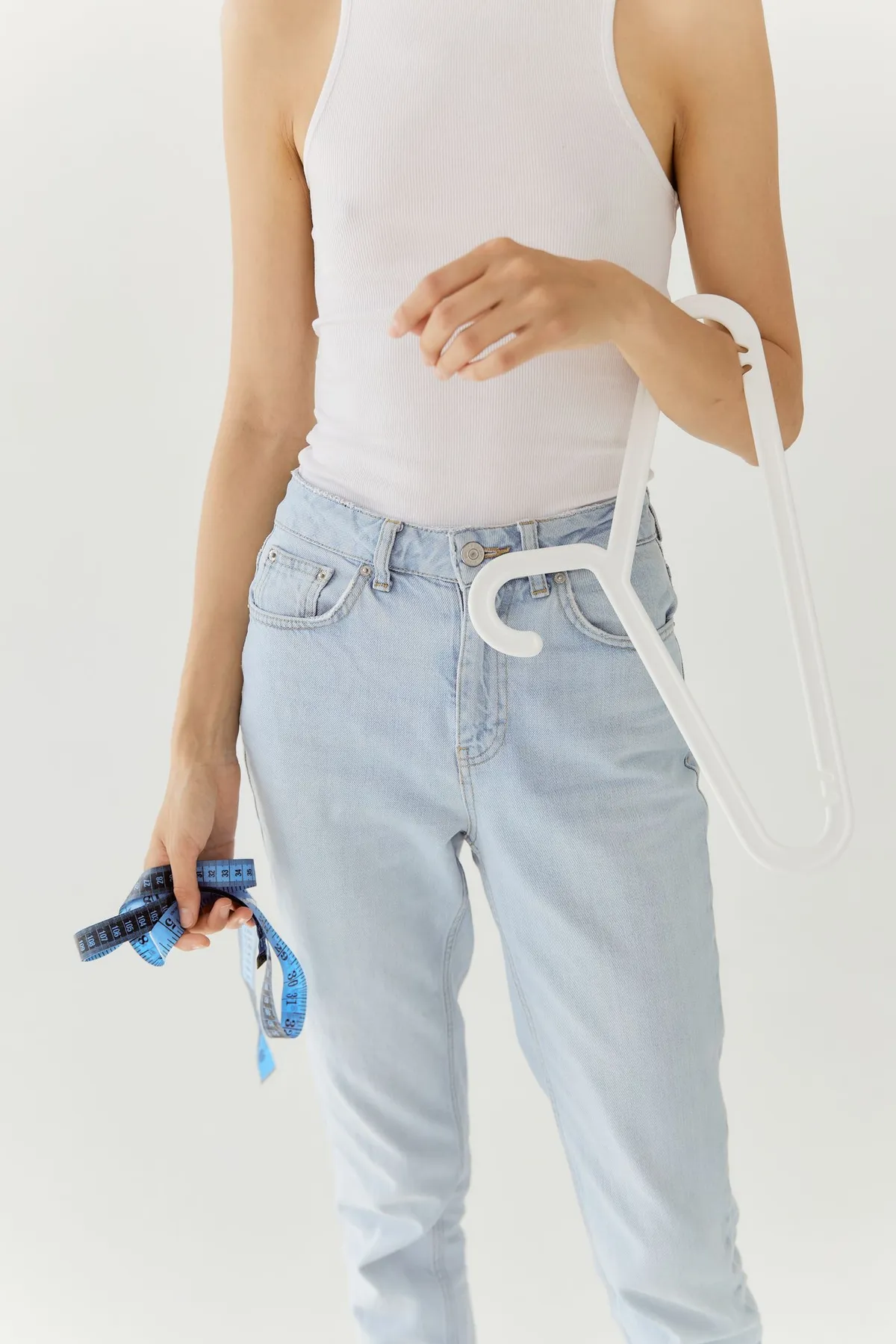
Separate garment measurements from the labelled size. If a measurement is supplied, check where and how it was taken before comparing it with a piece you own. A flat width and a body circumference describe different things. Use an existing garment of a similar type as your reference, and compare corresponding points rather than adding unrelated numbers. Leave any uncertainty visible in the note; an unexplained measurement is a question, not a confirmed fit.
Read condition as specific observations
Look for named areas of wear: cuffs, underarms, pocket edges, seams, closures and lining. Not every garment needs a photograph of every inch, but the areas important to your use deserve attention. If a jacket is intended for a formal event, a small visible mark may matter differently than it would on a casual layer. Decide what you could accept before asking the seller to interpret your preferences.
Check included parts separately. A garment originally shown with a belt, detachable collar or matching accessory may be offered without it. Ask whether the particular component is included when its absence would change your decision. Do not assume that a photograph proves every pictured object is part of the sale. Keep any response with the listing so you can review the actual answer instead of remembering a general impression.
Make one clear decision
Combine unanswered points into a concise message, such as asking for a fastening detail and the method used for the chest measurement. Avoid sending a series of vague requests for more information. Once the answers arrive, compare them with your original purpose and acceptable condition. If an important detail remains uncertain, it is reasonable to leave the listing undecided or pass on it.
Finally, keep the time involved in proportion to the purchase. A lower asking price does not automatically make a poorly documented garment useful. The strongest listing is the one that gives enough relevant information for you to make a grounded choice, with its limitations understood before you commit.
Related reading
A Denim Shopping Checklist for Ordering Online, The Cost-Per-Wear Question to Ask Before a Sale Purchase.