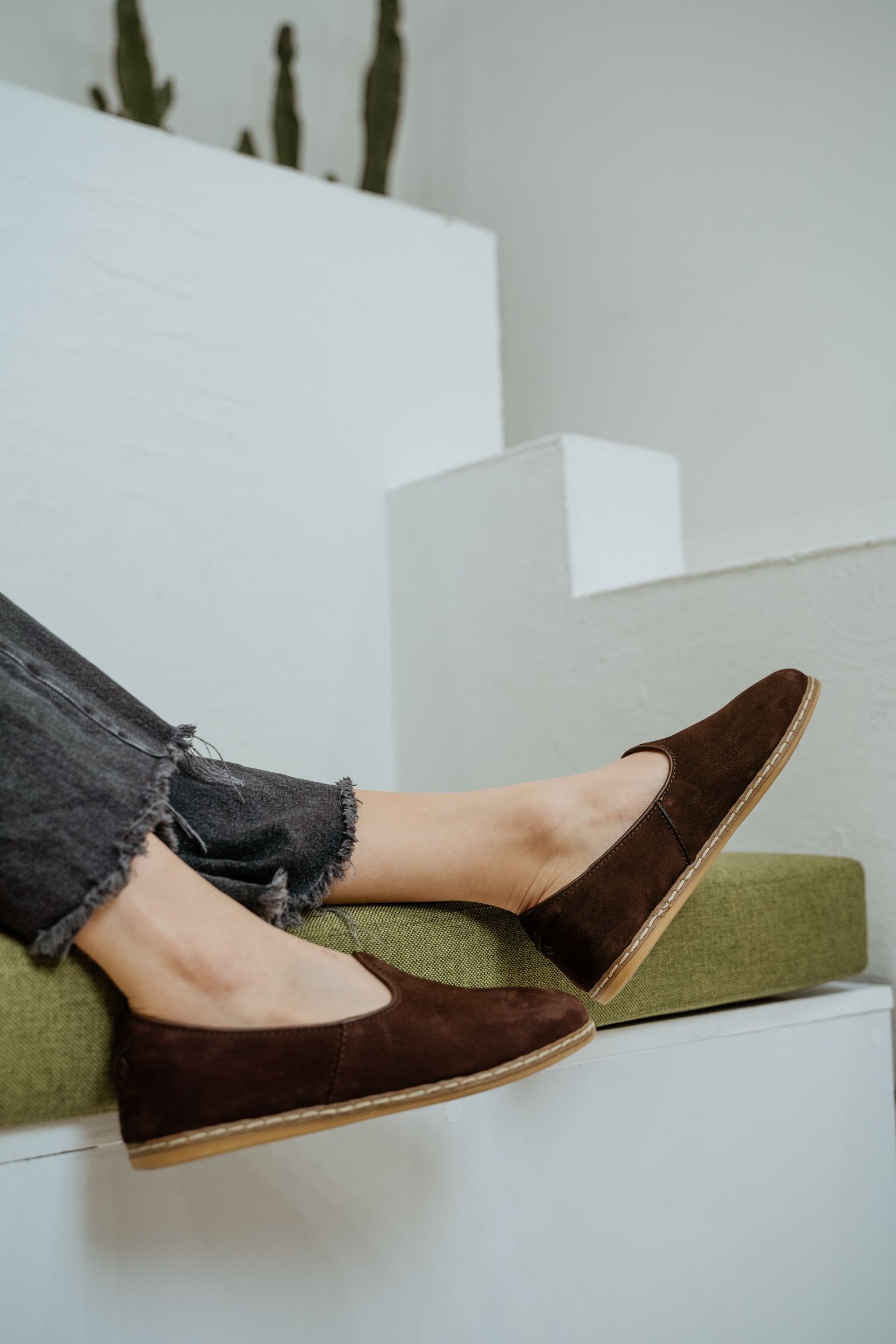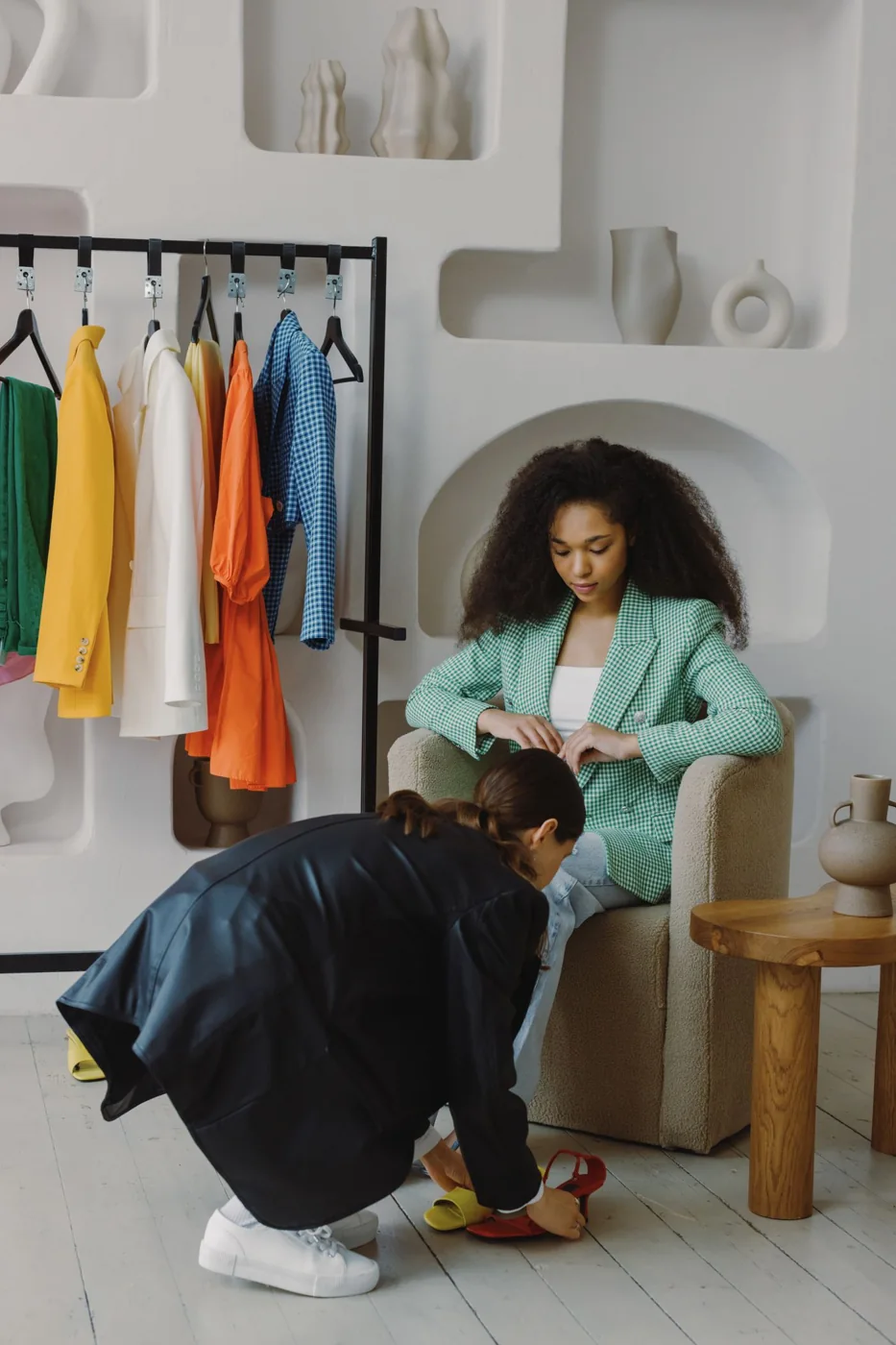
A shoe trial is more relevant when it includes the socks you plan to wear with the pair. A fine sock, a thicker knit and a bare-foot trial create different conditions inside the same shoe. Rather than trying to remember how each might feel later, bring the intended socks where the shop's fitting process allows it. That small preparation makes the comparison closer to the outfit and use you have in mind.
Start with the intended role
Describe what the shoes are meant to do in your wardrobe. You might need a pair for office trousers, a casual weekend outfit or a particular occasion. Identify the socks that belong to that use before leaving home. If you expect to alternate between two noticeably different types, keep that uncertainty in the decision rather than assuming one quick trial covers both.
Use clean socks and follow the retailer's fitting guidance. Put on both shoes in the appropriate way, including any fastening adjustment you would normally make. A loose lace or unfastened strap can change the trial and make comparisons less meaningful. Keep the process focused on the actual pair rather than a general belief that a certain size always works for you.
Compare through ordinary movement
Stand, take a few normal steps where permitted and sit again. Notice the experience in both shoes. Your own comfort observations are more useful than treating the labelled size as a complete answer. If you feel pressure or unwanted movement, describe where it occurs and compare another permitted option rather than assuming the issue will disappear later.
Repeat the same small sequence when changing size or model. Use the same socks so that the comparison has one fewer moving part. If you switch sock thickness at the same time, recognise that you are testing a different combination. That may be appropriate, but keep the result attached to the sock and shoe together rather than recording only the shoe's name.
Include the outfit connection
When practical, look at how the shoes meet the trousers, skirt or dress they are meant to support. A comfortable trial and a useful wardrobe role are separate questions, and both matter to a purchase. You may like the shoe itself while discovering that it duplicates a pair you already use or does not answer the gap you intended to fill.
Keep a concise record if you leave without deciding: the model, size tried, sock type and the question that remains. Check the retailer's actual information for any purchase conditions you need to understand rather than relying on a remembered policy. When you later repeat the trial at home within those conditions, use the same intended combination. A well-prepared fitting decision connects the shoe to the way you plan to wear it, including the small layer between the shoe and your foot.
Related reading
Name the Wardrobe Gap before Shopping for Another Shoe Pair, Try Loafers with the Trouser Hem You Actually Wear.