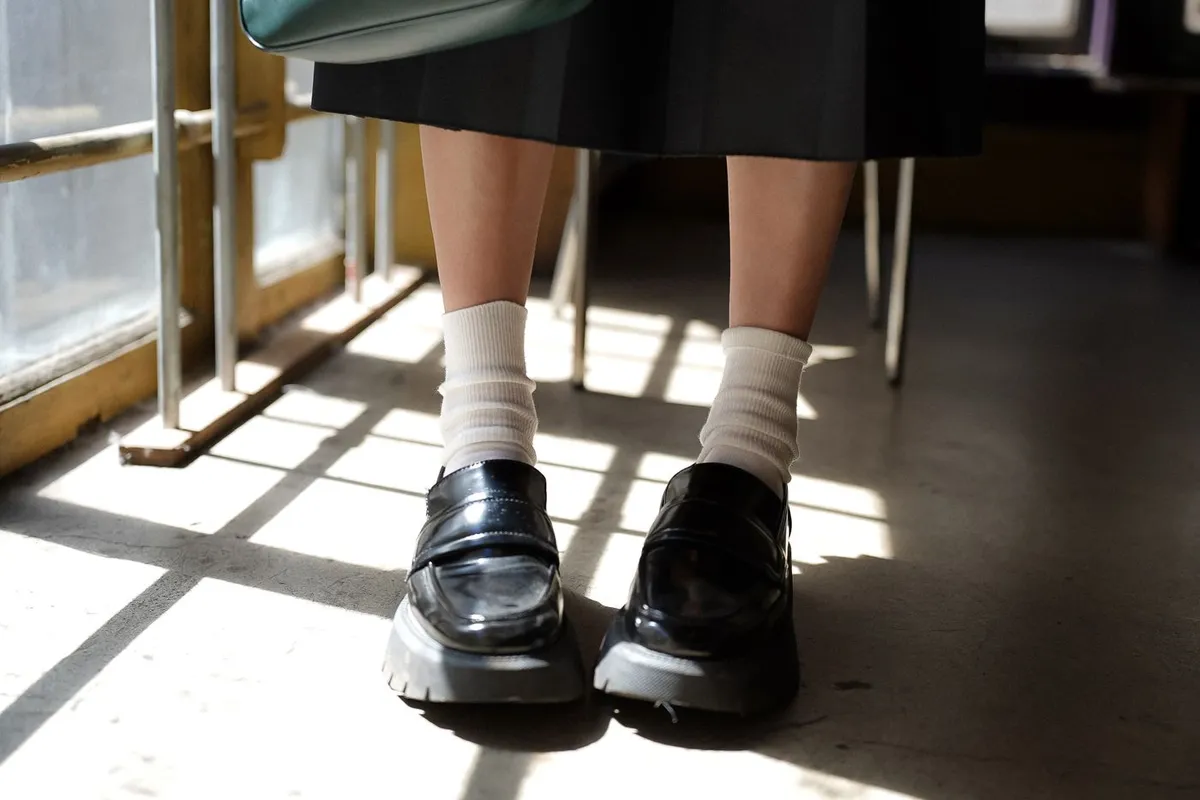
Another shoe pair can seem useful until you try to name the outfit or activity it would improve. Start with that gap before browsing. You may need footwear appropriate to a particular route, occasion or clothing combination, or you may simply prefer another version of a pair already owned. Those are different choices. A clear role helps you compare actual options without assuming a new color or familiar silhouette automatically adds a useful function to the wardrobe.
Name the situation that is unresolved
Choose a specific part of your week where the current footwear does not meet your needs. Consider the route, conditions and personal requirements, obtaining appropriate professional guidance where relevant. Avoid describing the gap only as needing something versatile. That label does not show what a pair must actually do. A named situation provides concrete questions to take into the comparison, such as which clothes it will accompany and the type of ordinary use it needs to suit for you.
Review the existing pairs first
Try suitable shoes you already own with the relevant outfit and check their condition and care needs. A pair may need appropriate attention or a different role rather than replacement. Do not assume a fit problem can be solved by a particular accessory or alteration without suitable advice. Keep your own comfort central. The review should establish whether the gap is real and what the existing collection cannot provide, rather than produce a reason to keep every pair and buy another option on top.
Compare products using current information
Read the details for the specific shoes being considered, including materials, sizing information and instructions relevant to the intended use. Check current purchase terms directly with the retailer. Do not infer performance, weather suitability or comfort from an editorial image or another person's experience. A familiar brand name does not establish that every model will suit you identically. Keep the comparison connected to the named situation and the actual product information, rather than allowing a sale or matching accessory to redefine the gap midway through shopping.
Try the complete outfit and ordinary movement
Where an appropriate fitting opportunity is available, follow its conditions and check the pair with the clothing intended for it. Consider the trouser or dress hem as well as personal comfort. Avoid forcing an uncomfortable fit because the silhouette looks right. If ordering, follow the retailer's current guidance and applicable conditions for trying items. The useful decision includes what happens when the shoes are worn as part of your real outfit, not only how they appear separately beside the rest of the collection.
Before buying, state the role in one clear sentence. If it remains indistinguishable from a pair already owned, decide whether the purchase is a deliberate preference rather than a practical gap filler. Either choice can be considered honestly, but they should not be confused. A useful shoe collection grows from understood needs and appropriate fit, with each new pair chosen for the actual week instead of a vague promise that another option will somehow make every outfit easier.
Continue planning with Loafers or Ballet Flats: Which Fits Your Week Better?, A Practical Guide to Buying Boots for Walking Days.