A belt looks like a small purchase until you spend an afternoon adjusting one that pinches, slips or refuses to fit your favorite trousers. Imagine a working day that includes sitting at a desk, walking to lunch and changing into jeans for dinner. An everyday belt needs to serve those movements before its buckle becomes the finishing detail.
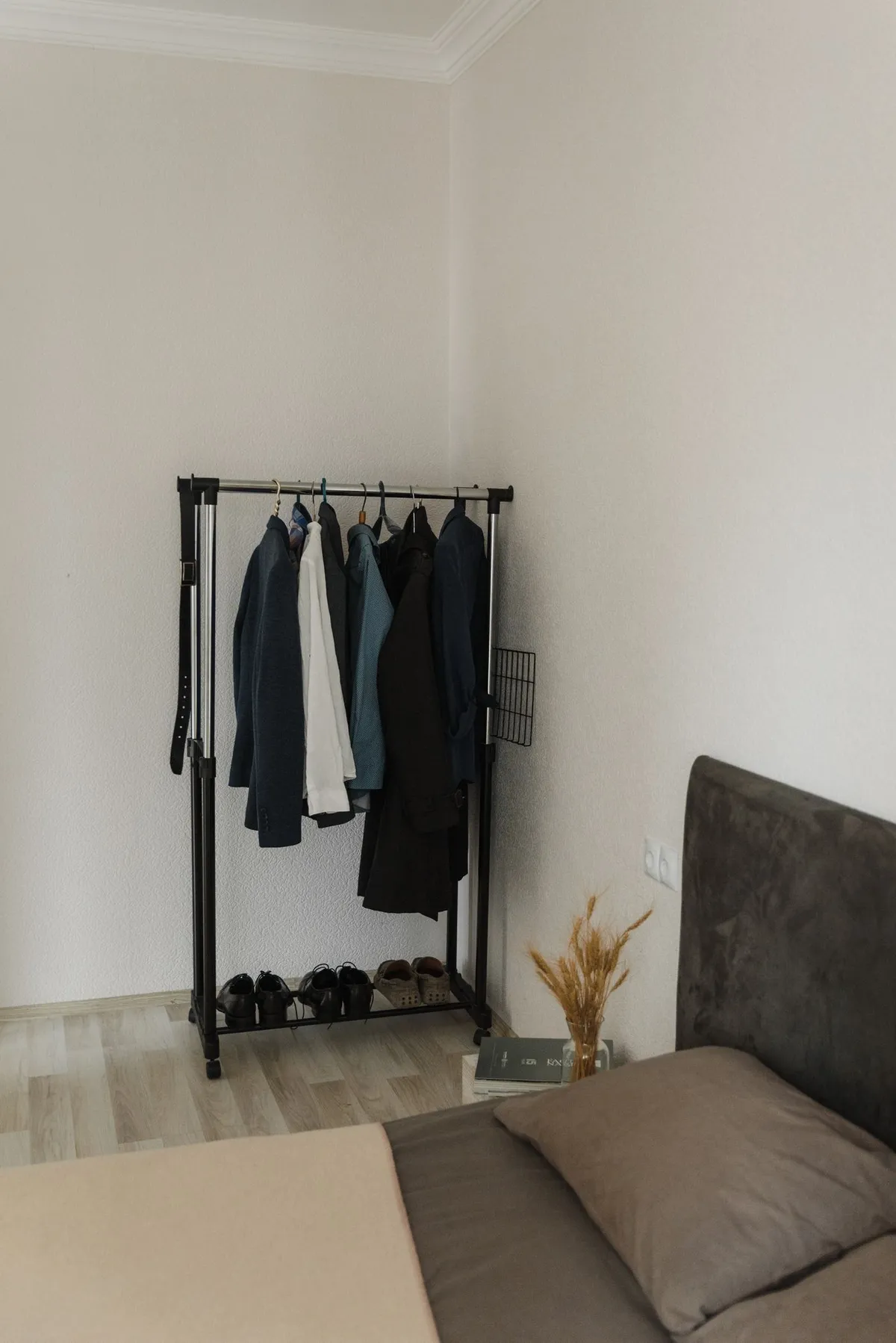
The best starting point is the clothing already in your drawer. Lay out the two or three bottoms you wear most often. Check their loop openings, waistband height and where they sit on your body. A belt chosen for low-rise jeans may need a different length from one worn at the natural waist over a dress.
Measure the route the belt will take
Thread a flexible tape through the loops of trousers that fit comfortably. This gives you a useful wearing measurement, but it is not automatically the size to order. Sellers can measure belts differently: some describe the full strap, while others measure to a particular hole. Read the product’s own sizing instructions instead of translating your trouser size directly.
If possible, choose a fit that fastens around the middle of the available holes. That leaves adjustment room for different fabrics and ordinary changes in comfort through the day. Check what happens to the remaining strap, too. A very long tail can look untidy or catch on a bag, while a short one may barely reach its keeper.
Choose width and hardware together
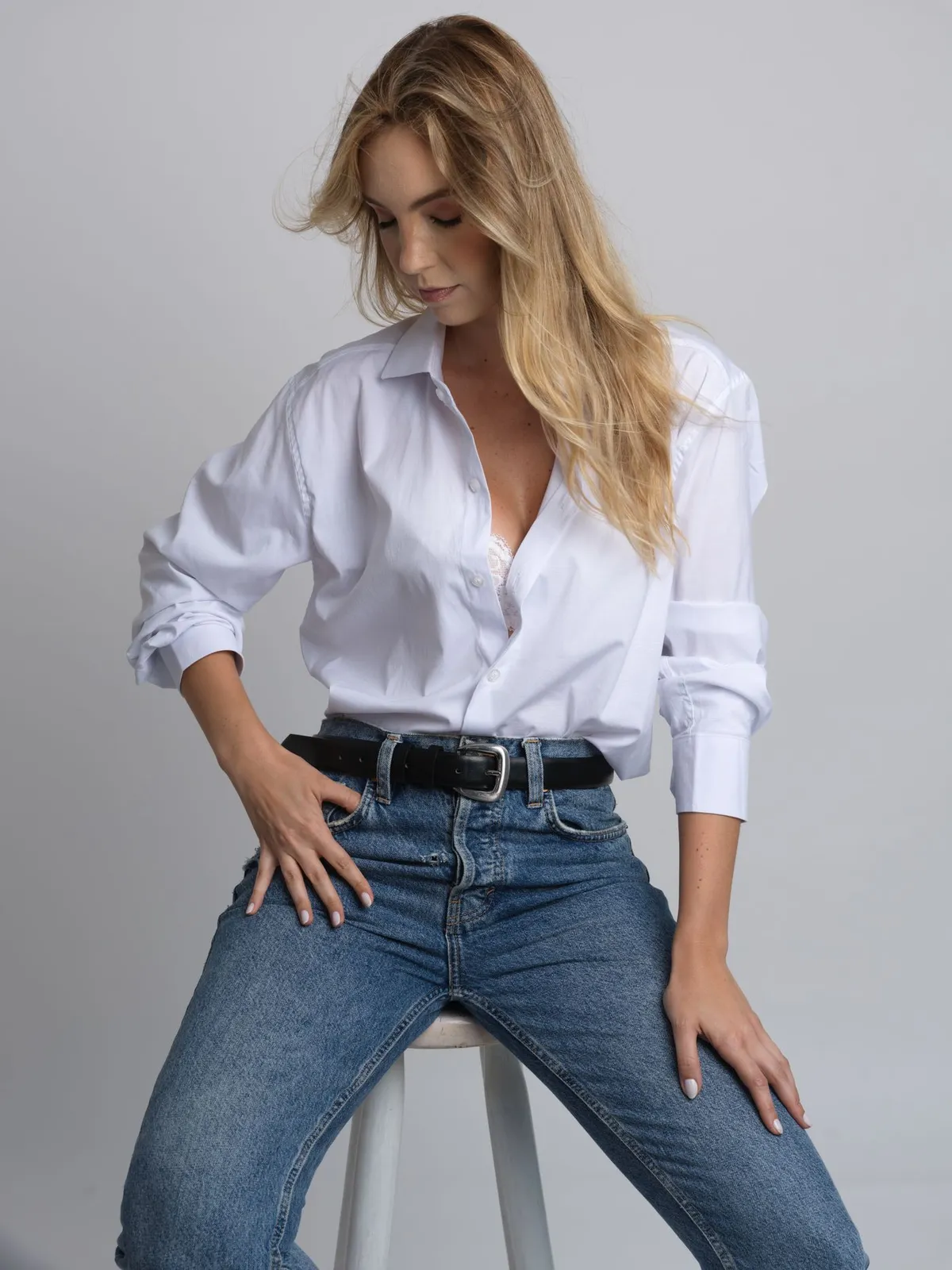
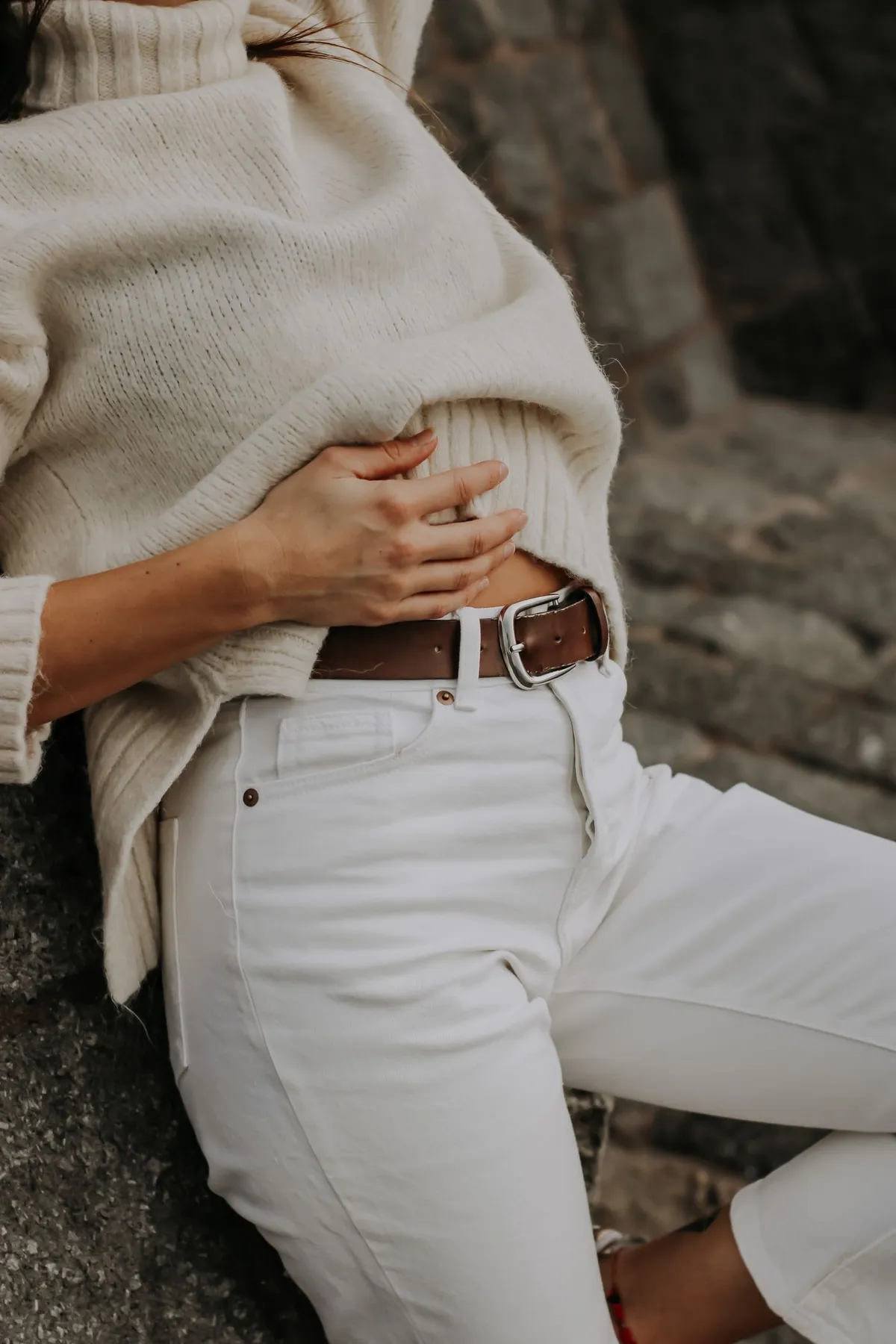
A narrow belt can add definition to a dress or tailored trousers without taking over the outfit. A wider one can feel balanced with substantial denim. Neither is universally more useful. The important question is whether the width fits your loops and whether the buckle clears them without awkward threading.
Try sitting with the belt fastened. A large, rigid buckle can press into your abdomen, especially with a higher waistband. Consider the edges and the weight as well as the color. If your wardrobe already contains silver-tone jewelry and bag hardware, a similar finish is an easy option, though matching every metal is unnecessary.
Buying checklist
- Measure where you will actually wear the belt and compare the retailer’s sizing method.
- Check the width against your narrowest frequently worn trouser loops.
- Look at the strap, stitching, keeper and buckle attachment in detailed photographs.
- Read the material description and care instructions; appearance alone does not establish construction.
- Fasten, sit, bend and walk before removing labels, following the seller’s return conditions.
- Make three outfits with the belt, including one with the shoes and bag you use most.
For a practical first purchase, compare simple accessory styles at Uniqlo with the broader range at Nordstrom. Look at the individual listing’s dimensions and composition rather than treating a retailer name as a quality guarantee. Stock, sizes and return conditions can change, so confirm them before ordering.
Tradeoffs
Leather, coated materials and woven straps have different care requirements and appearances. A leather label alone does not tell you how a belt will age, and a smooth surface does not reveal every layer beneath it. Woven styles may offer flexible fastening positions, but their texture can catch on some delicate fabrics. Inspect the intended combination rather than assuming versatility from a product photograph.
A reversible belt offers two colors in one purchase, but its mechanism adds complexity and may create a thicker buckle. An understated single-color style is easier to assess if you only need one reliable everyday option. Decorative hardware can be the point of an outfit, yet it may feel less adaptable beneath fitted jackets.
Finally, distinguish a styling preference from a fit problem. A belt can refine a slightly loose waistband; it cannot reliably solve trousers that fit poorly throughout the hips and seat. If you are constantly tightening it to keep clothing in place, revisiting the trousers may do more for comfort than buying another accessory.