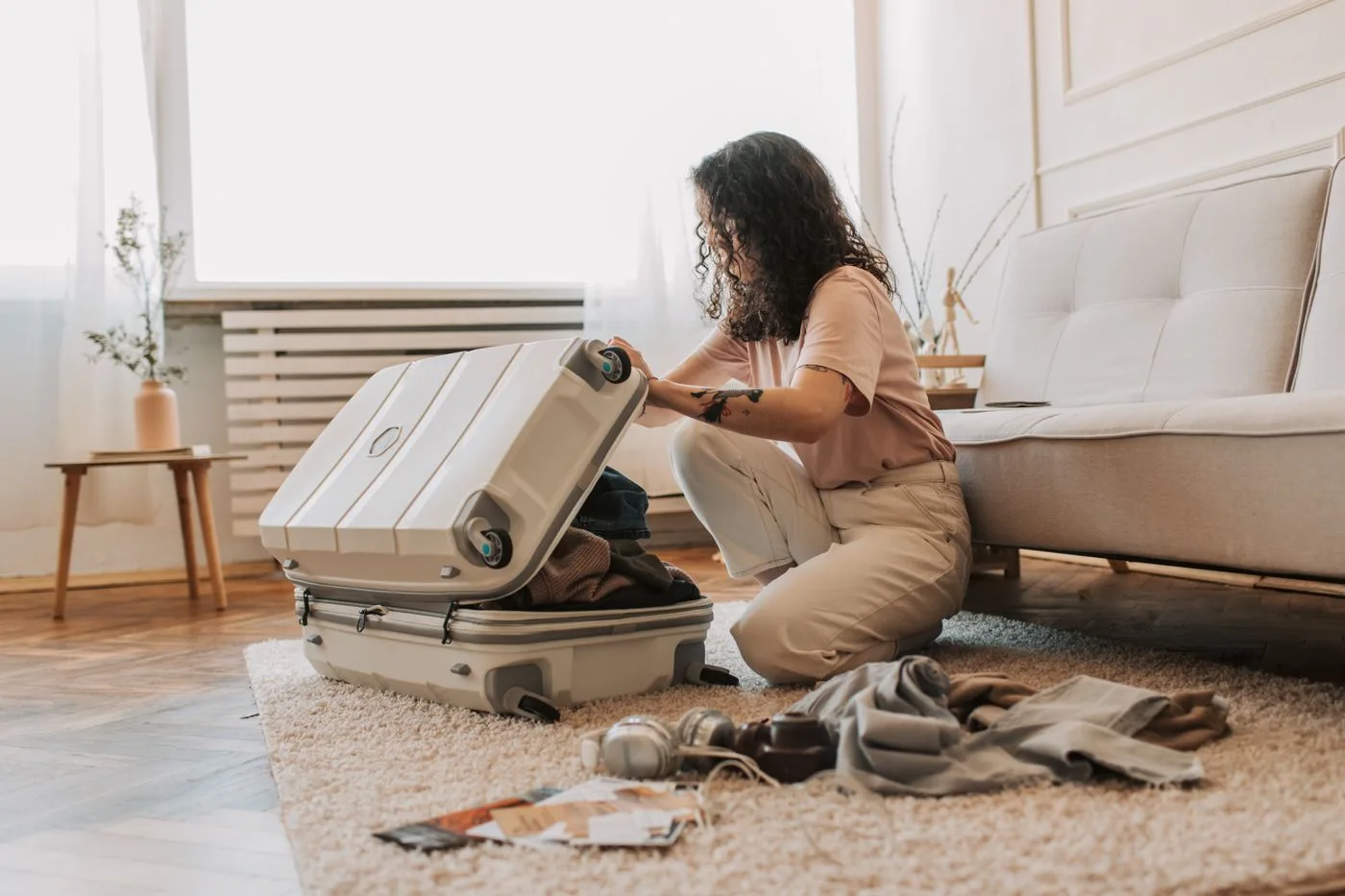
The last clothing choice is easier while the case is still open and the intended outfits are visible. Decide which alternative belongs before closing it, rather than packing both because the decision feels unfinished. Check the actual itinerary and relevant provider requirements for the journey. A small travel wardrobe needs clear roles, not identical outfits or a rule that every garment must serve several occasions. The useful finish is a case containing deliberate choices instead of an extra layer of uncertainty tucked into the final available space.
Compare alternatives within a real outfit
Put the two possible pieces beside the combination each would complete, then try them where appropriate. Include the actual shoes and outer layer rather than comparing tops alone. Check personal comfort and the activities involved. One piece may suit a particular dinner while another works better for the journey. Those are different roles, so decide whether both genuinely belong. Avoid treating a vague possibility as another confirmed event that needs a separate outfit before the trip's actual plans are understood.
Check condition before committing
Make sure the selected garment is ready for appropriate use and follow its care instructions. Do not pack an item needing unresolved attention merely because its color fits the plan. Keep any essential care task clear and complete it appropriately before departure. If that is not realistic, choose a suitable ready alternative. The case should contain clothing you can actually use, not a project you expect to finish after arriving without knowing whether the accommodation and schedule can support it.
Give each retained piece a named role
Identify when the item will be worn and what it works with. It may be a sensible contingency choice, but name the need that justifies it instead of describing every extra as just in case. Check current arrangements where they affect clothing requirements. A garment does not need a complicated wear-count calculation to belong. It needs a role you understand within the actual trip. That clarity also helps you notice when two alternatives repeatedly compete for the same occasion without offering a useful difference.
Remove the decision's leftovers
Return unused alternatives to appropriate home storage rather than leaving them on the bed as a reminder of the packing process. Keep the selected group arranged suitably for the garments and luggage. Follow luggage instructions and the relevant provider's requirements; do not force the case around an overfilled collection. If a late item changes the arrangement, review the affected group deliberately instead of adding it without checking. Closing the case should mark the completion of the clothing decision, not merely the moment its contents are hidden from view.
Keep a short note only if it helps with the next similar trip, including what the selected outfit actually contains. Once the case is ready, avoid reopening every settled choice without a real change in plans. The final open-case review is useful because it brings the alternatives together while you can still see and compare them. It leaves the room restored and the travel wardrobe understandable, ready for the journey rather than waiting for another round of decisions at the destination.
Continue planning with A Travel Capsule for a Three-Day Weekend, Packing a Weekend Bag Without the Last-Minute Pile.