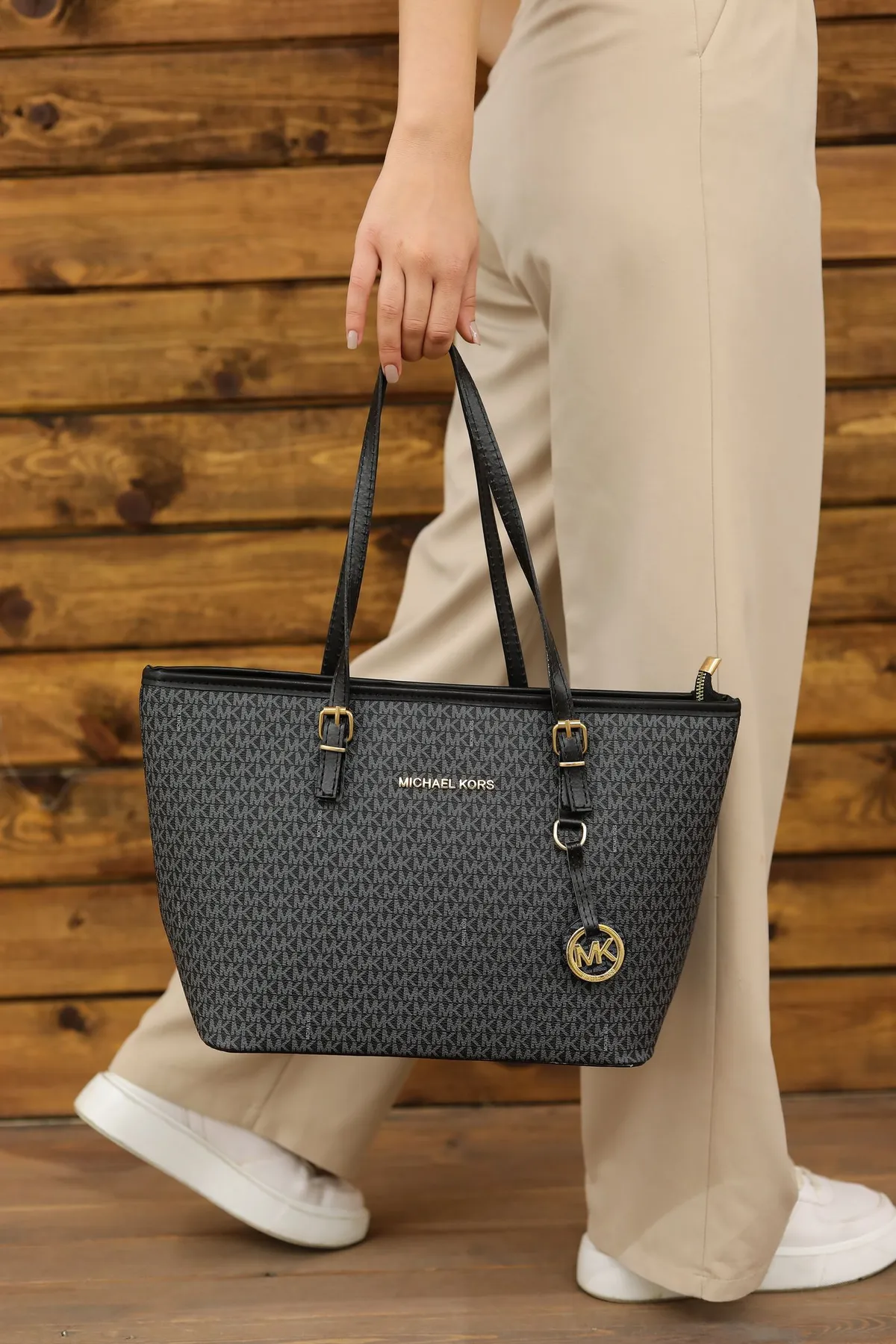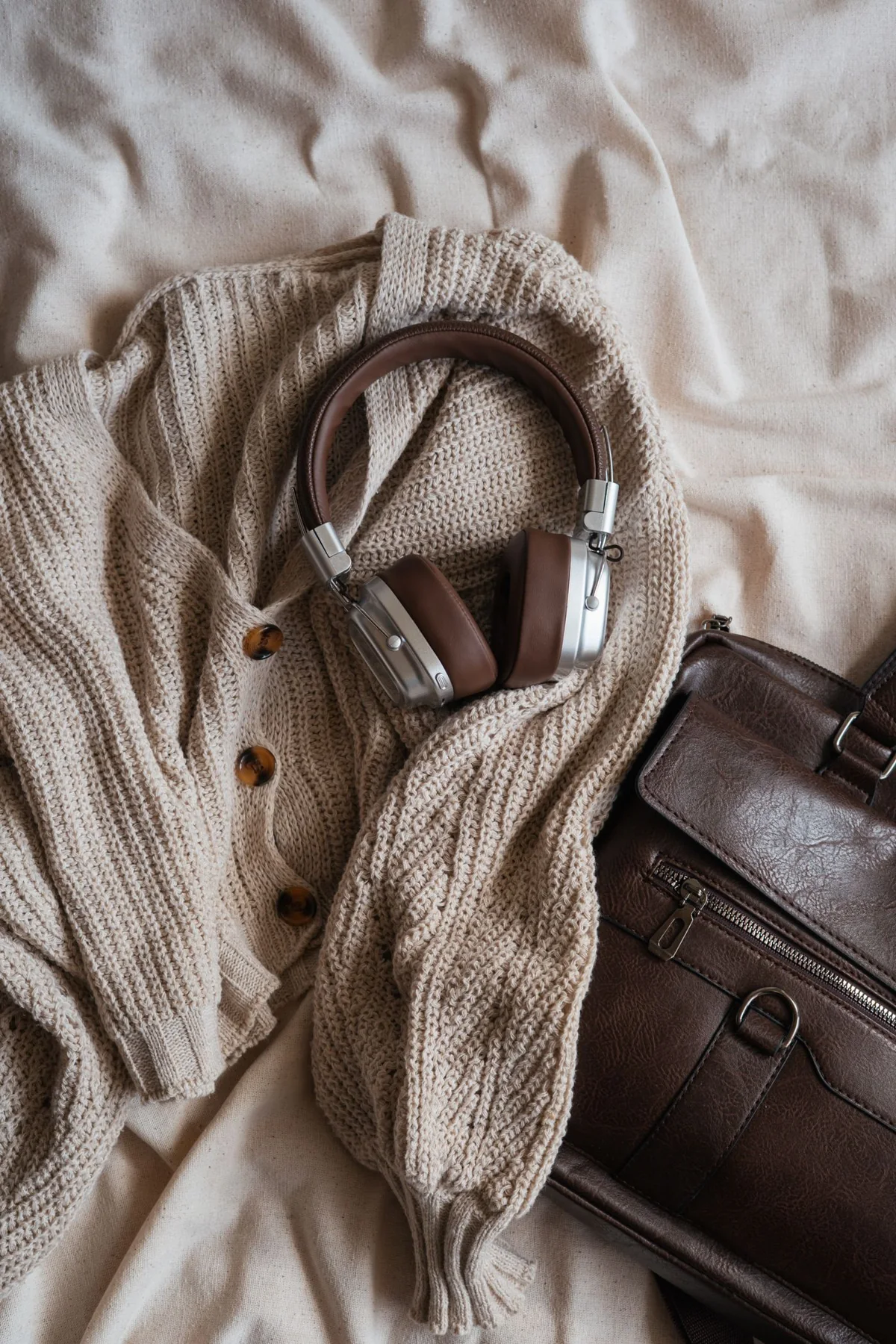
A knit layer can be useful on the journey and unnecessary at the indoor stop. Include that change when choosing the outfit and bag. Decide where the garment goes once removed, following its care needs and the bag's intended use. The outfit should work during the whole day, not only while all the layers are worn together. A practical plan may involve a different existing bag, a smaller clothing group or another suitable layer already in the closet, rather than purchasing another organizer for an overcrowded arrangement.
Identify when the layer comes off
Look at the actual activities and conditions of the outing, checking current arrangements where relevant. You cannot predict every temperature change, but you can account for a planned indoor meeting or another known transition. Choose the knit for personal comfort and the outfit beneath it. If the remaining combination feels unfinished, try another top before solving the problem with extra accessories. The layer should have a clear role that continues to make sense when it is carried rather than worn for part of the day.
Check the bag with its regular contents
Put the belongings needed for the outing into their appropriate positions and assess the remaining space. Follow the bag's instructions and keep valuables and equipment suitably protected. Do not judge capacity from an empty bag or remove essential items merely to make a garment fit. The useful space is what remains in the actual arrangement. If the layer cannot be accommodated appropriately, choose a different plan before leaving rather than assuming a spare gap will appear after the first indoor stop.
Respect the garment's care needs
Read the label and choose handling appropriate to the knit's construction and condition. Do not force it into a tight compartment or wrap it around equipment as an improvised protective case. Keep it separate from unsuitable neighboring items, including belongings whose contents could affect the garment. A suitable arrangement should let you retrieve the layer ready for its next intended use. The goal is not a perfectly compact bundle; it is a practical position that treats the clothing appropriately while the rest of the bag remains usable.
Try the whole carrying arrangement
Carry the bag as intended with the group in place and consider your own comfort. Check that the closures work without force and that retrieving a regular item does not require removing the entire garment first. Avoid overloading handles or attachments. A larger bag may offer more room but also invite additional unnecessary contents, so compare the full arrangement rather than size alone. The outfit and bag need to work together for the actual route, including the part when the knit is no longer on your shoulders.
After the outing, check the layer's condition and return it through the appropriate care and storage routine. Note whether its carrying position was useful if you expect to repeat the combination. A small observation can improve the next outfit more than another generic packing accessory. The practical wardrobe includes the moments between wearing: a layer can be chosen, removed, carried and worn again when its role and temporary destination have both been considered before the day begins.
Continue planning with The Layering Pieces That Earn Their Space in a Small Closet, What to Look for in an Everyday Work Tote.