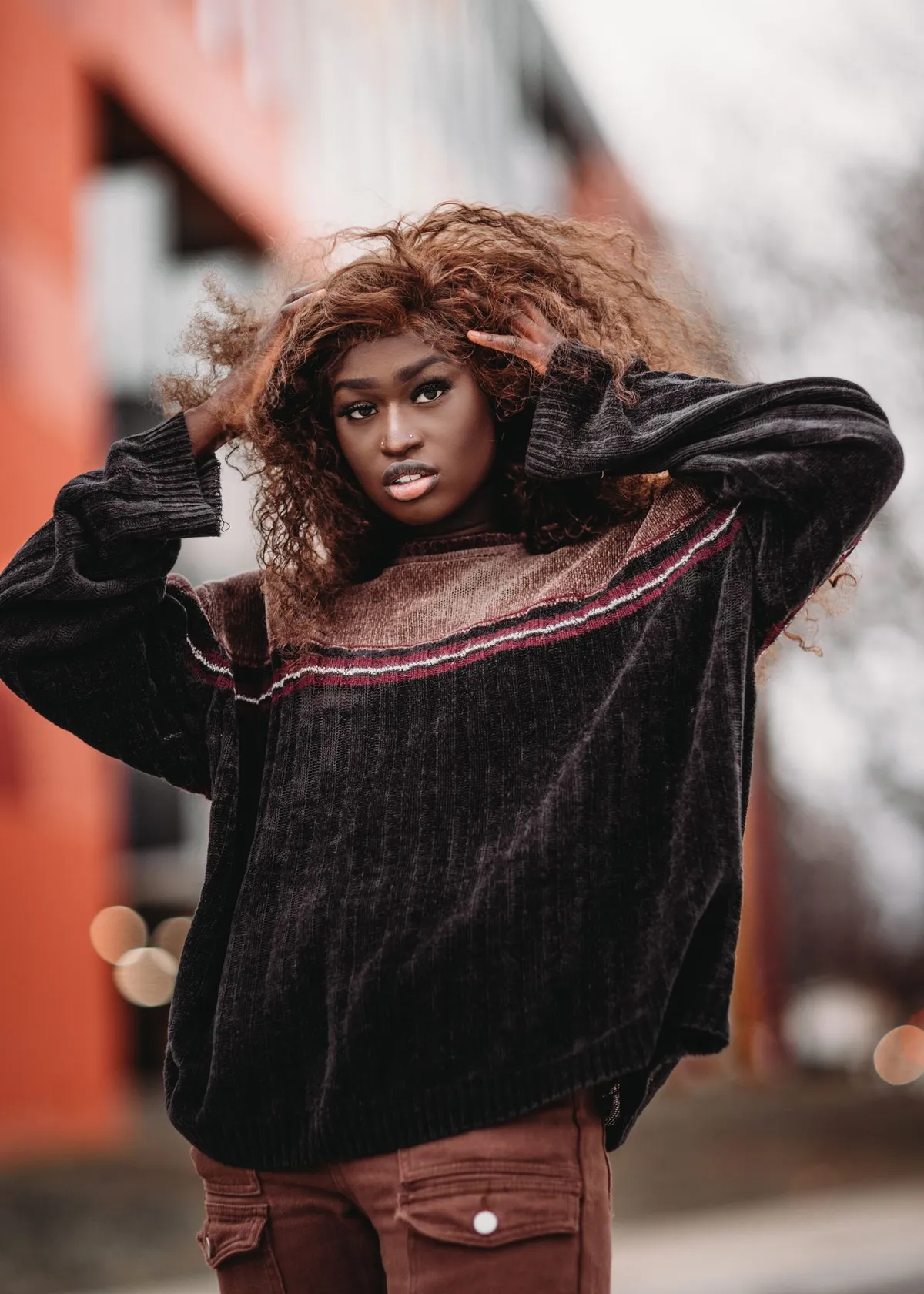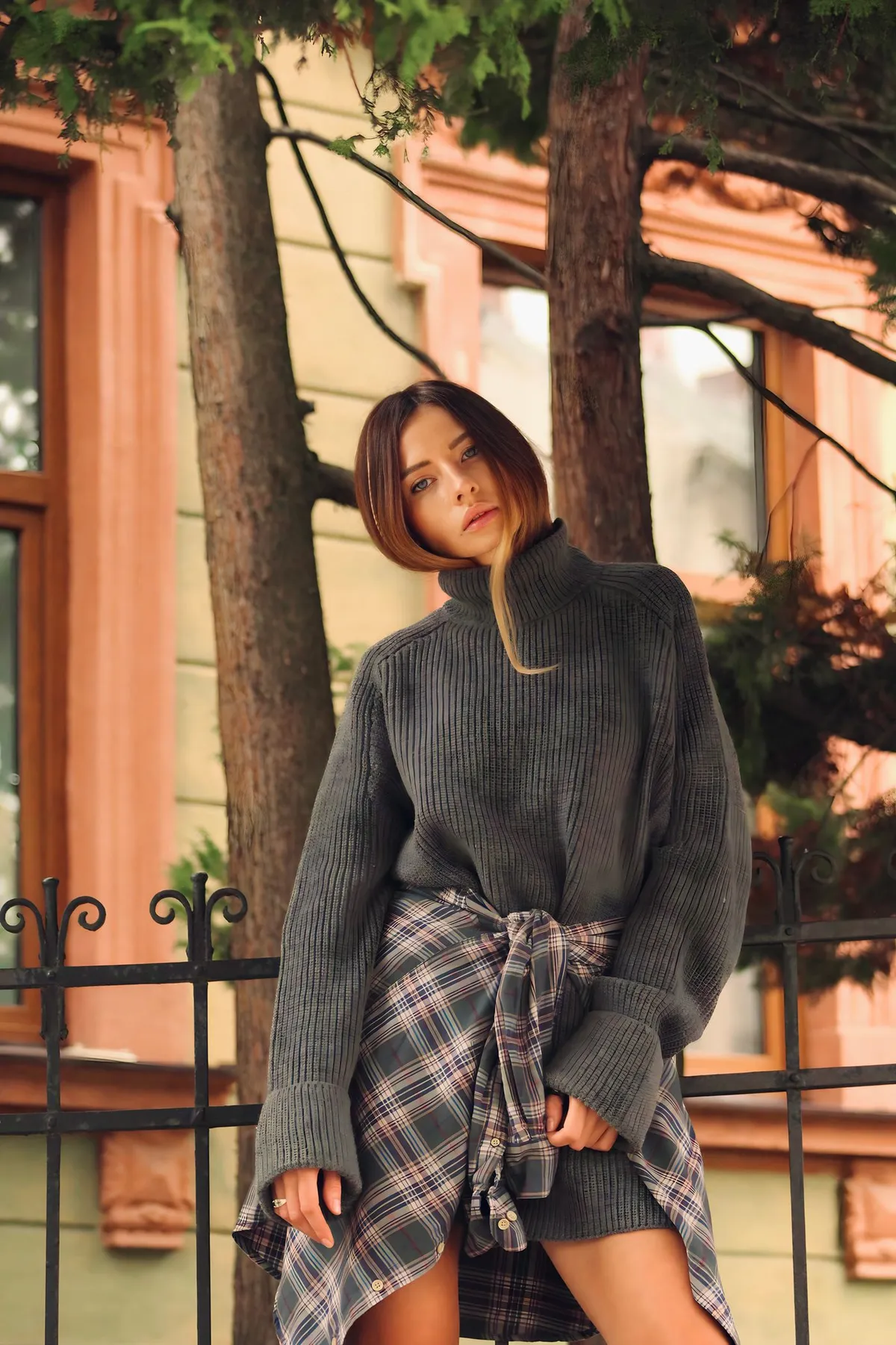
In a small closet, an impressive collection of layers can leave surprisingly few usable outfits. The oversized sweater will not fit under the coat, the cardigan needs a special top and the jacket is too warm for the train. A layer earns its space when it changes an outfit’s comfort or usefulness without creating a new set of requirements.
Picture a day that starts outside, moves into a heated office and ends with a cool walk home. You need clothes that adjust across that sequence. Start with the garments already doing that work. There is no reason to own every possible layer if two well-chosen pieces cover most of your temperature changes.
Separate indoor and outdoor jobs
An indoor layer should be easy to remove and pleasant to carry or drape over a chair. A cardigan or light overshirt often does this better than a bulky pullover, particularly when you do not want to disturb your hair or neckline. An outdoor layer needs the protection your route requires, which cannot be established by its silhouette alone.
Try to avoid buying an item that does neither job well. A very thick cardigan may be cumbersome inside yet insufficient in windy weather. That does not make it useless, but it needs a specific place in your routine rather than a vague promise of versatility.
Test sleeves as a system
Put on the base top, the proposed layer and your usual coat together. Bend your elbows, reach forward and sit down. The sleeve combination should move without bunching at the shoulder or cutting into the arm. A beautiful layer that fits only over a sleeveless top may not help through the colder part of your year.
Check cuffs and collars too. Several bulky cuffs can become awkward when washing your hands or typing. A high neckline beneath a second high neckline may feel crowded. These small details determine whether you reach for the combination on an ordinary morning.
Give each layer more than one outfit
A useful cardigan should work with at least two of your regular bottoms. An overshirt might pair with straight jeans on Saturday and trousers on a casual workday. Test the proportions in a mirror rather than assuming that everything labeled a basic will coordinate.
Think about the layer’s role when removed. If the outfit underneath looks unfinished to you, you may keep the extra garment on even when it becomes uncomfortable. Choose base combinations you feel happy wearing independently. That makes temperature adjustments easier and extends the usefulness of each piece.
Make storage part of the decision
Heavy knits can take up a large share of a shelf. Follow their care and storage guidance rather than hanging a piece that may lose its shape. Measure the available storage before adding another bulky garment. If you cannot find it quickly, it will not do much practical work.
Keep the most frequently used removable layer near your regular tops. Store occasional winter pieces separately when appropriate, but ensure they are clean and dry first. A small closet benefits more from clear access than from an ambitious system that is difficult to maintain.
Buying checklist
- Try the complete base-layer-coat combination, including seated movement.
- Compare garment dimensions with a layer you already find comfortable.
- Check buttons, pockets and the ease of taking it off during the day.
- Read care requirements and plan a realistic storage location.
- Name two outfits and one recurring situation the piece would support.
Browse everyday knitwear or overshirts at Uniqlo and Everlane only after identifying the missing job. Product weights and fits vary. Detailed garment measurements can be more helpful than a photograph styled with an unfamiliar coat.
Tradeoffs
Thin layers stack easily but may require several pieces for warmth. A thick knit simplifies the outfit but consumes more storage and offers less adjustment indoors. An open-front layer is convenient to remove but may not provide the closure you want outside. Choose the compromise that matches the longest portion of your day. When closet space is limited, usefulness is a better selection principle than owning the full range of seasonal silhouettes.