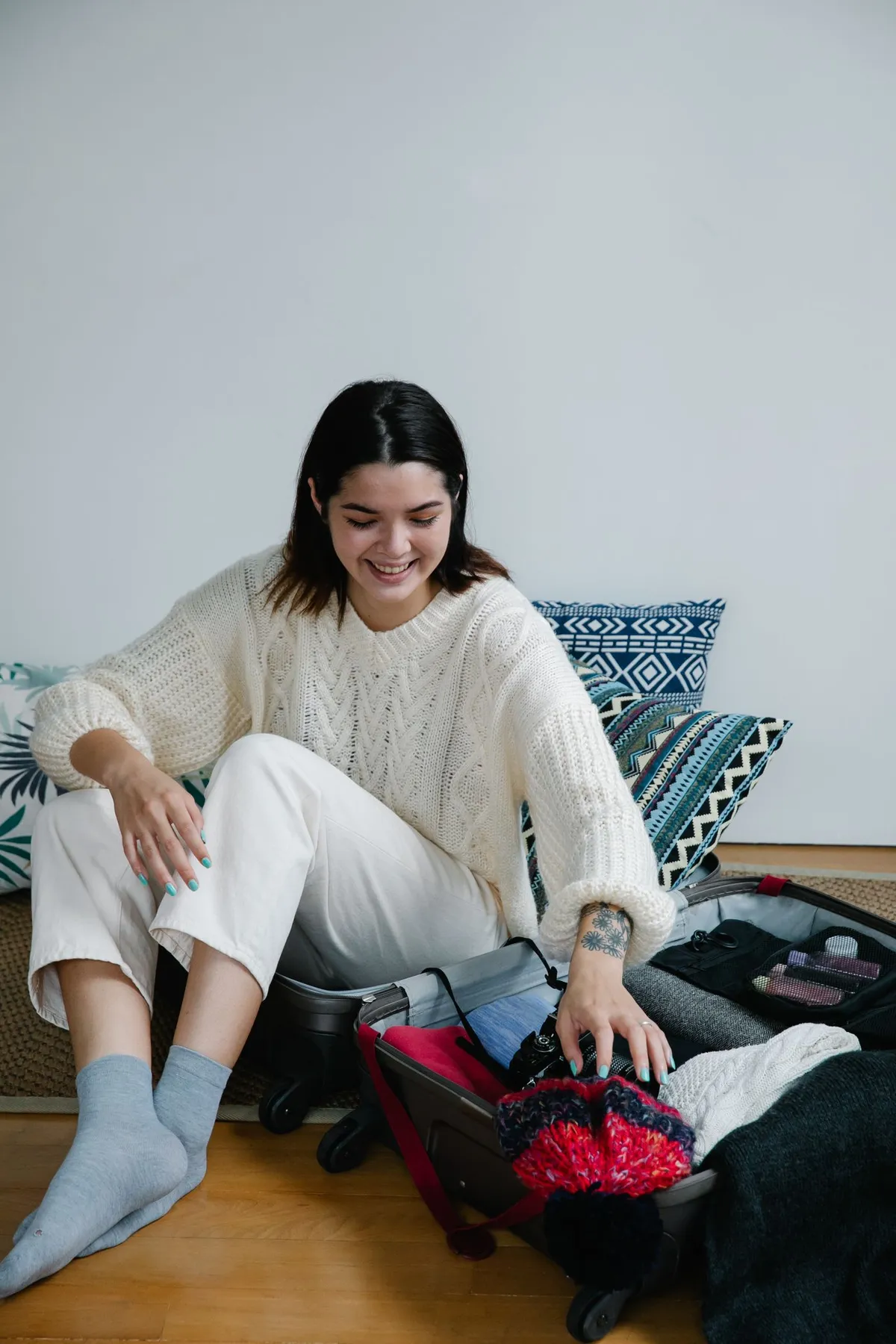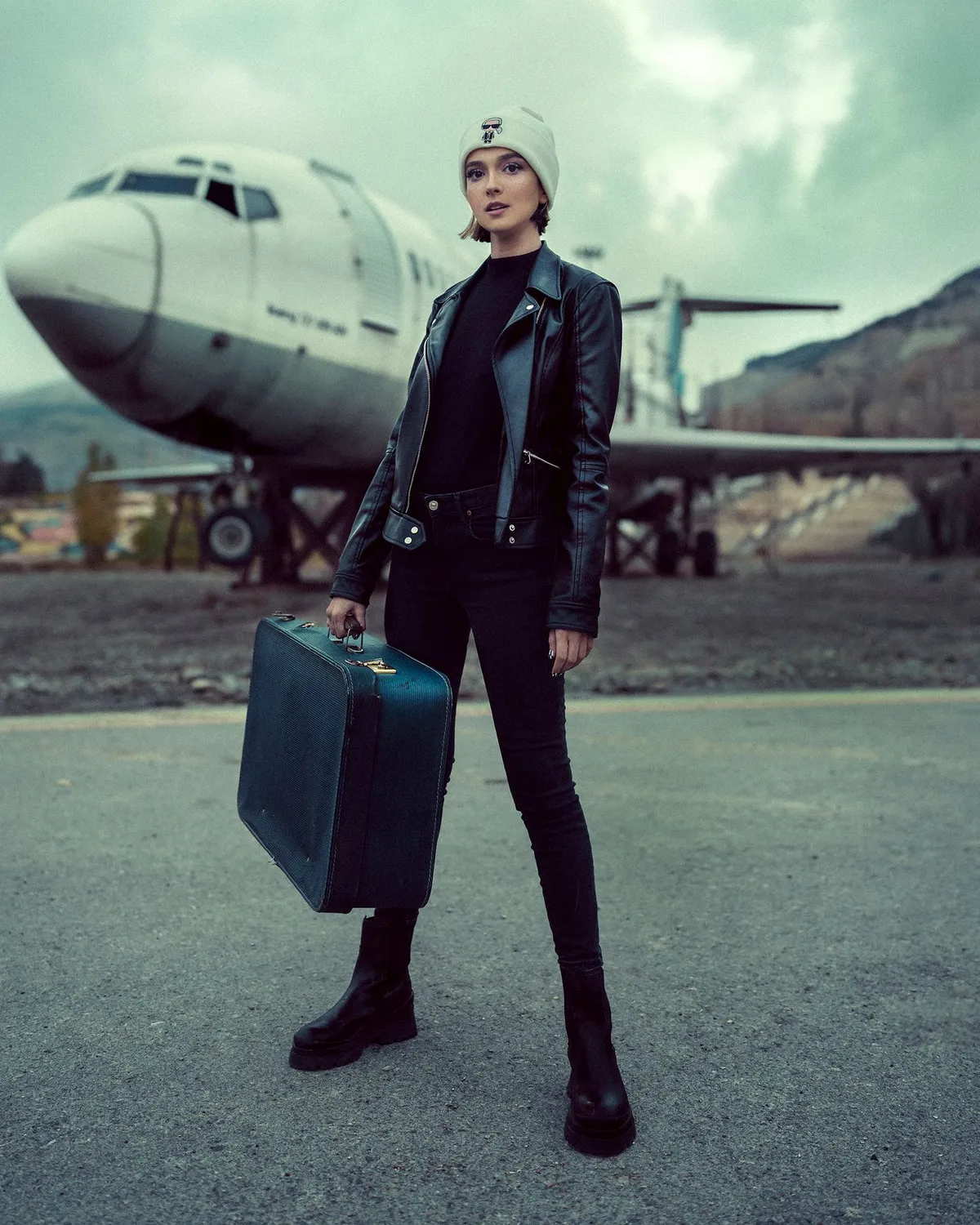
A three-day weekend can generate a surprisingly large pile of clothes. There is the travel outfit, a possible dinner, walking around town and a forecast that changes each time you check it. A capsule gives those plans a shared foundation. It does not require a tiny bag or identical outfits; it reduces the number of pieces that depend on something else you forgot to pack.
Write a short itinerary before touching the suitcase. Include the journey, expected walking, any confirmed dress code and the coldest likely period outside. Check the forecast close to departure and confirm luggage restrictions with the carrier. The clothes should follow the trip, rather than define it.
Choose the shoes first
Footwear affects trouser length, walking comfort and packing space. Start with a pair you already know works for the planned distance. A weekend away is an inconvenient time to discover that new shoes rub. Add a second pair only if it serves a distinct purpose, such as a dress requirement or time near water.
Put the bulkier pair on for the journey if it is comfortable for travel. Then select two bottoms that work with those shoes. Straight jeans and a relaxed trouser may cover ordinary city plans; a skirt or dress can replace either if it suits the activities better.
Build a shared upper half
Choose three tops with enough differences to handle the day and evening. A tee, shirt and light knit can work individually or together. Add a removable layer that fits under your outerwear. Test the combinations at home, including whether a shirt collar sits comfortably beneath the knit.
Avoid counting a top as versatile if it needs a specific undergarment you have not packed. Check necklines, opacity and sleeves. The useful capsule is a complete one, including socks, underwear and sleepwear. Those essentials are easy to overlook when concentrating on visible outfits.
Map outfits to the itinerary
For Friday travel, use the most comfortable bottom with a simple top and removable layer. Saturday’s walking outfit can swap the top while keeping familiar shoes. A dinner version might use the second bottom, the shirt and a small accessory. Sunday can repeat a clean layer or return to the travel combination as appropriate.
Rewearing is a possibility, not a requirement. Allow fresh basics for hot weather or physically active plans. If the schedule includes a special event, pack its complete outfit and treat it as a separate need. Trying to make every garment do every job can create more stress than carrying one additional piece.
Pack one weather response
Choose outerwear based on the manufacturer’s stated protection and the expected conditions. A coat’s appearance does not establish rain resistance. If an umbrella is useful, check that it fits the day bag. For temperature changes, one light knit may be easier to carry than several heavy alternatives.
Keep any medication, documents and travel essentials separate from the clothing plan. Do not let capsule efficiency crowd out necessary items. Leave some space so the bag can close comfortably after clothes have been worn and repacked less neatly.
Buying checklist
- Identify the confirmed activity that an existing wardrobe cannot cover.
- Test any new layer with the shoes and bottoms going on the trip.
- Read care requirements; avoid depending on facilities you have not confirmed.
- Check bag weight and dimensions against actual carrier rules.
- Allow time to try an order and return it before departure.
If a gap remains, compare everyday layers at Uniqlo or Everlane. Buy for the missing function rather than a complete “travel wardrobe” label. A garment that works at home afterward is generally easier to justify than one useful only for this weekend.
Tradeoffs
A tight palette makes mixing easier but can feel dull in holiday photographs. One distinctive shirt or scarf can add variety without creating another outfit system. Packing less means fewer backup options for spills or sudden weather. Add the contingency your plans genuinely require, then stop. The goal is a bag containing understandable choices, not the smallest possible collection of clothes.