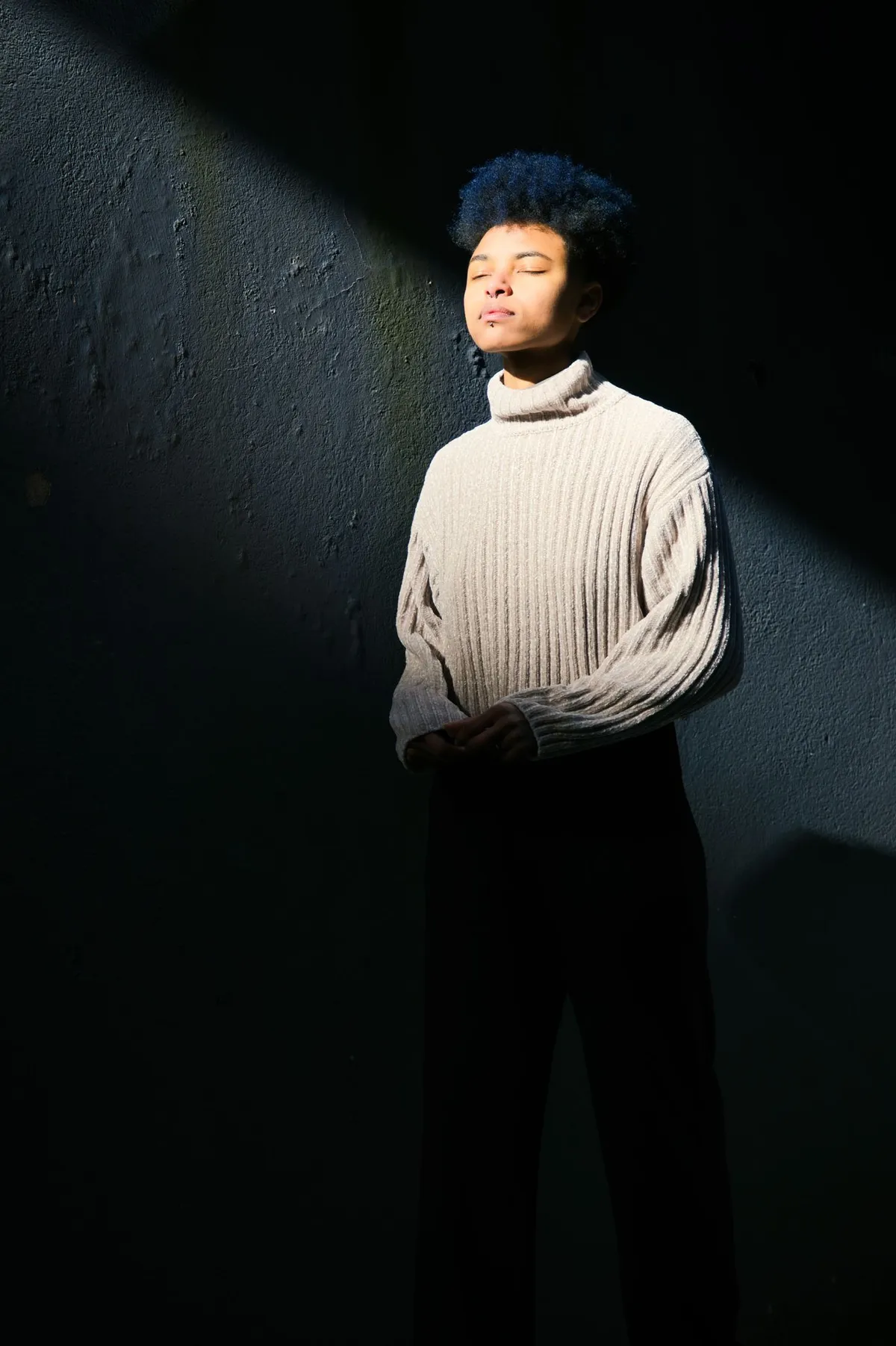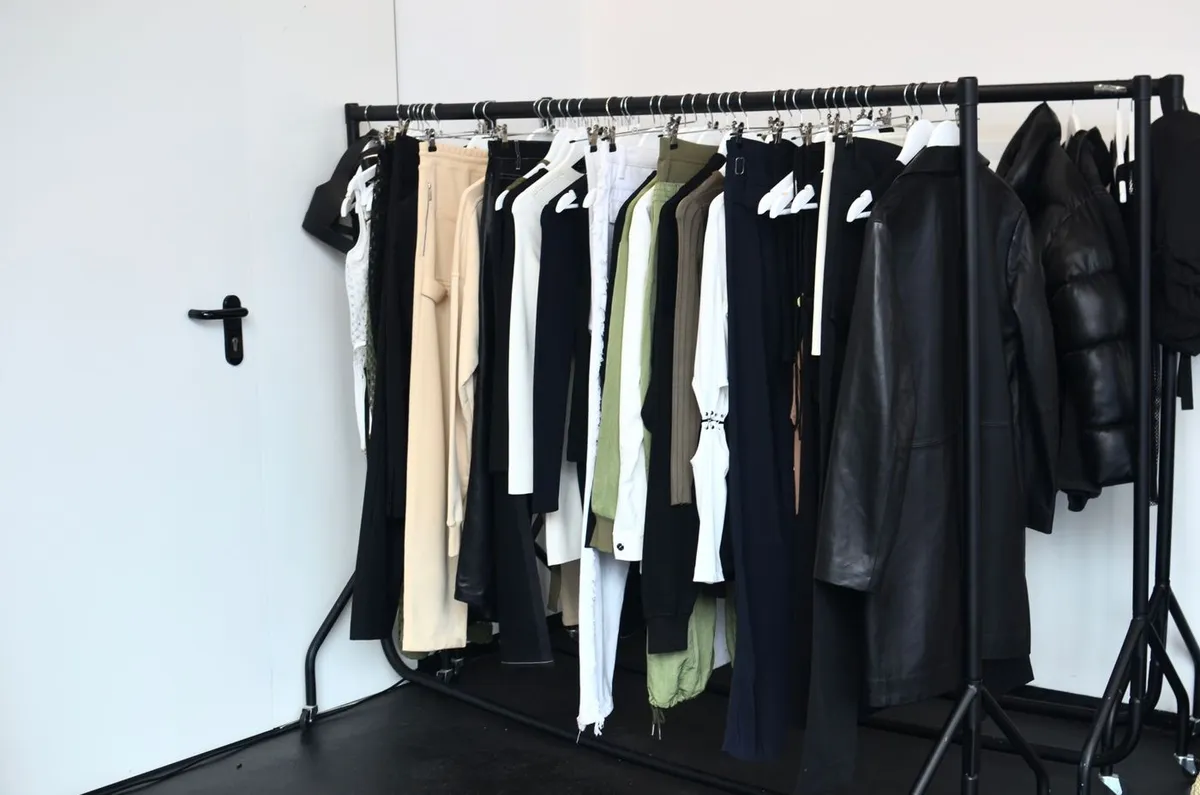
A bright jacket can dominate an outfit photograph so completely that the useful supporting details disappear from memory. You remember the orange or red layer but forget which top, trousers and shoes made it easy to wear. A practical outfit photograph preserves those relationships. It is a reference for dressing again, not a performance of the outfit for an audience.
Decide what the photograph should answer
Start with the reason you want to save the outfit. Perhaps you found a top that sits neatly beneath the lapels or a trouser shape that balances the jacket's length. Name that success before taking the picture. It will tell you which details need to be visible and which can be recorded in a short written note instead.
Use ordinary light that lets you recognise the garments. A dramatic cafe or evening photograph may be appealing while making a dark top and dark trousers look like one indistinct area. If the picture is mainly for your own wardrobe reference, take an additional straightforward view when convenient. Avoid assuming that a phone image preserves the jacket's exact colour; keep the garment identity in the note as well.
Capture the arrangement you wore
Include enough of the outfit to see how the jacket meets the other pieces. If a tuck, rolled sleeve or open fastening made the combination work, show it or describe it. A tightly cropped portrait may not preserve those details. You do not need a full photography session: one clear view and a few useful words can do the job.
If the jacket was worn differently during the day, note the version you expect to repeat. It may have been open over a plain top for work and removed during dinner. Distinguish those real arrangements from an experiment you tried only for the photograph. A reference becomes less useful when it records a carefully adjusted pose that did not survive normal movement.
Make the reference easy to find
Label the image with familiar garment names and the occasion or season if that context matters. For example, orange blazer, cream top and dark jeans for a casual lunch. Store it with a small set of wardrobe references rather than burying it among dozens of nearly identical trial images. Keep the clearest version and avoid turning the record into another collection that needs constant maintenance.
When you revisit the outfit, treat the photograph as evidence of one successful combination. Check the weather, activity and garments available that day before copying it exactly. The value lies in knowing which supporting pieces worked with the bright jacket and why. Once that relationship is saved, a statement layer can become as easy to repeat as a quieter one without requiring you to reconstruct the original decision every time.
Related reading
How to Audit Your Closet Before Buying Another Basic, A Neutral Wardrobe With Enough Color to Feel Like You.