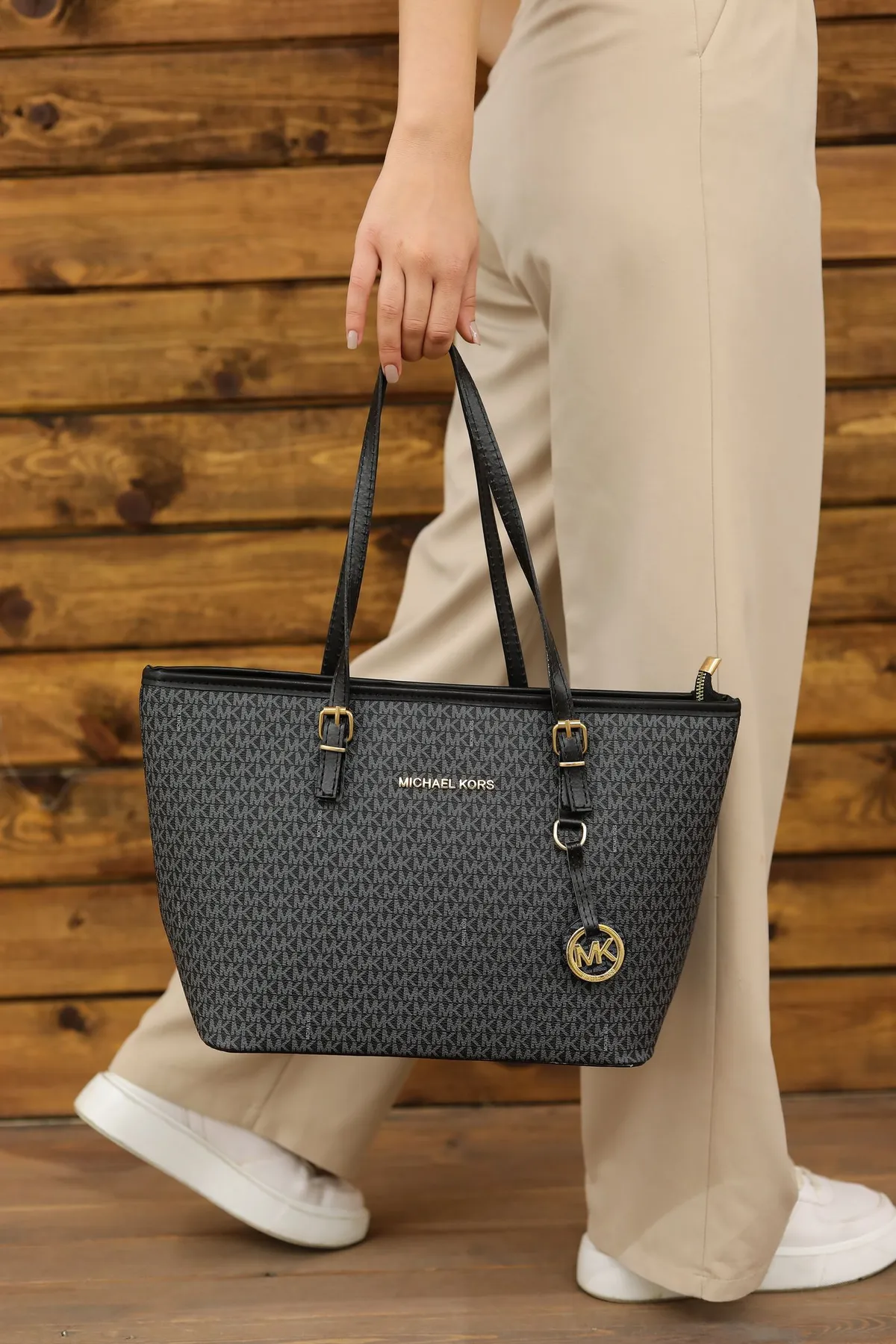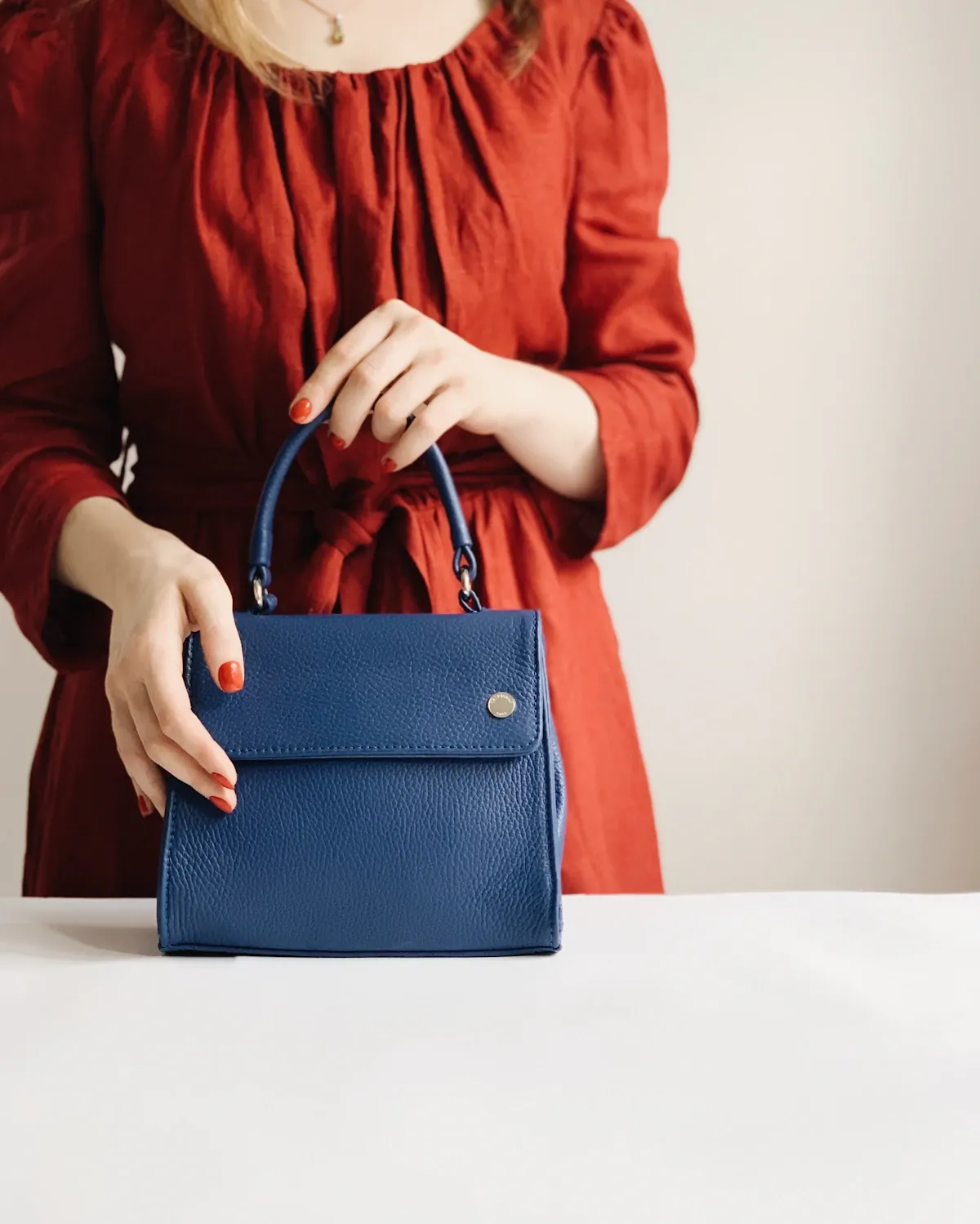
A tidy interior photograph can make a handbag seem perfectly organised. Before using that image as a shopping checklist, establish what belongs to the bag itself. A fixed division, a removable insert and a pouch used as a styling prop create different arrangements. Understanding that distinction helps you compare the product with your own belongings instead of buying a whole photographed setup by assumption.
Identify what the listing actually includes
Read the product information for the exact version under consideration. Check what the seller says is supplied and whether the interior photographs show that same item. Do not assume a pouch, strap or organiser is included because it appears beside the bag. Where the wording and images do not resolve the question, ask the seller to identify the actual components.
Keep descriptions of optional extras separate from the bag's standard arrangement. If an accessory would need another purchase, note that before comparing the total setup with an item you already own. A simpler interior may serve your everyday group perfectly well without recreating the arrangement used for a product photograph.
Consider the complete contents
List the items you genuinely intend to carry and follow the bag's relevant guidance on use and care. A neat row of flat objects does not demonstrate how your own complete kit will sit. Where you can appropriately inspect the actual item, consider the usable space around the divisions as well as the number of named compartments.
The small-bag packing guide can help keep that group realistic. An organiser should support the chosen contents; the existence of more pockets is not a reason to add objects you do not ordinarily need.
Ask how a removable piece changes the arrangement
If the seller confirms that a component is removable, check the relevant instructions and what the bag is intended to be like with and without it. Do not infer structural, security or protective properties from its appearance. A removable piece might create flexibility, but it might also introduce another item you need to keep associated with the bag.
The work-tote guide offers a broader way to connect interior organisation with an ordinary day. Keep your criteria focused on the actual tasks rather than treating a long feature list as evidence that one bag must be better.
Keep uncertainty visible in the comparison
If you cannot establish the internal arrangement from reliable information, leave that point unresolved rather than filling in the missing feature yourself. You may choose to ask another question, inspect the item appropriately or consider a different option. A useful buying decision rests on what is known about the real product, including its limits, not on how convincingly the styling photograph suggested an ideal routine.