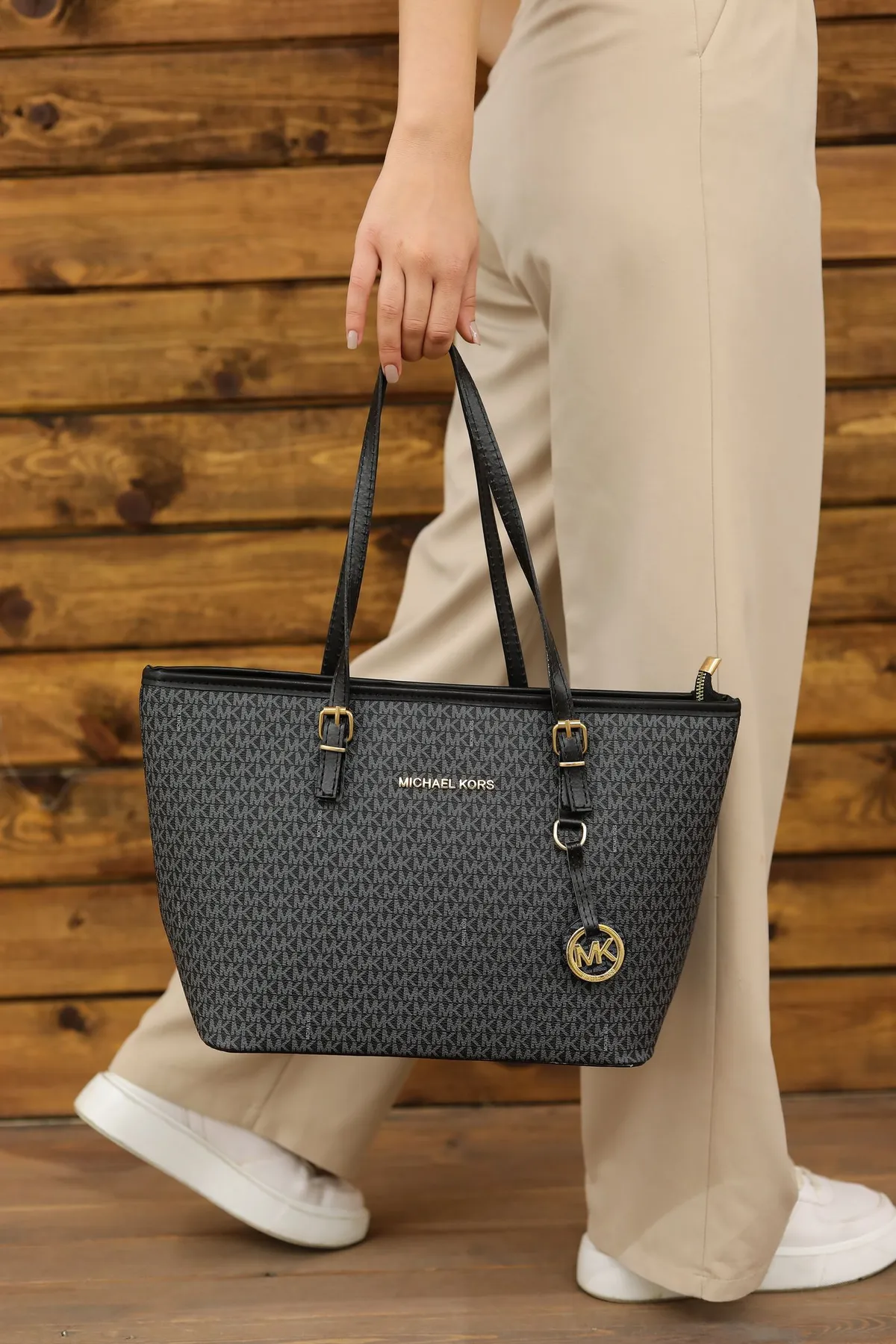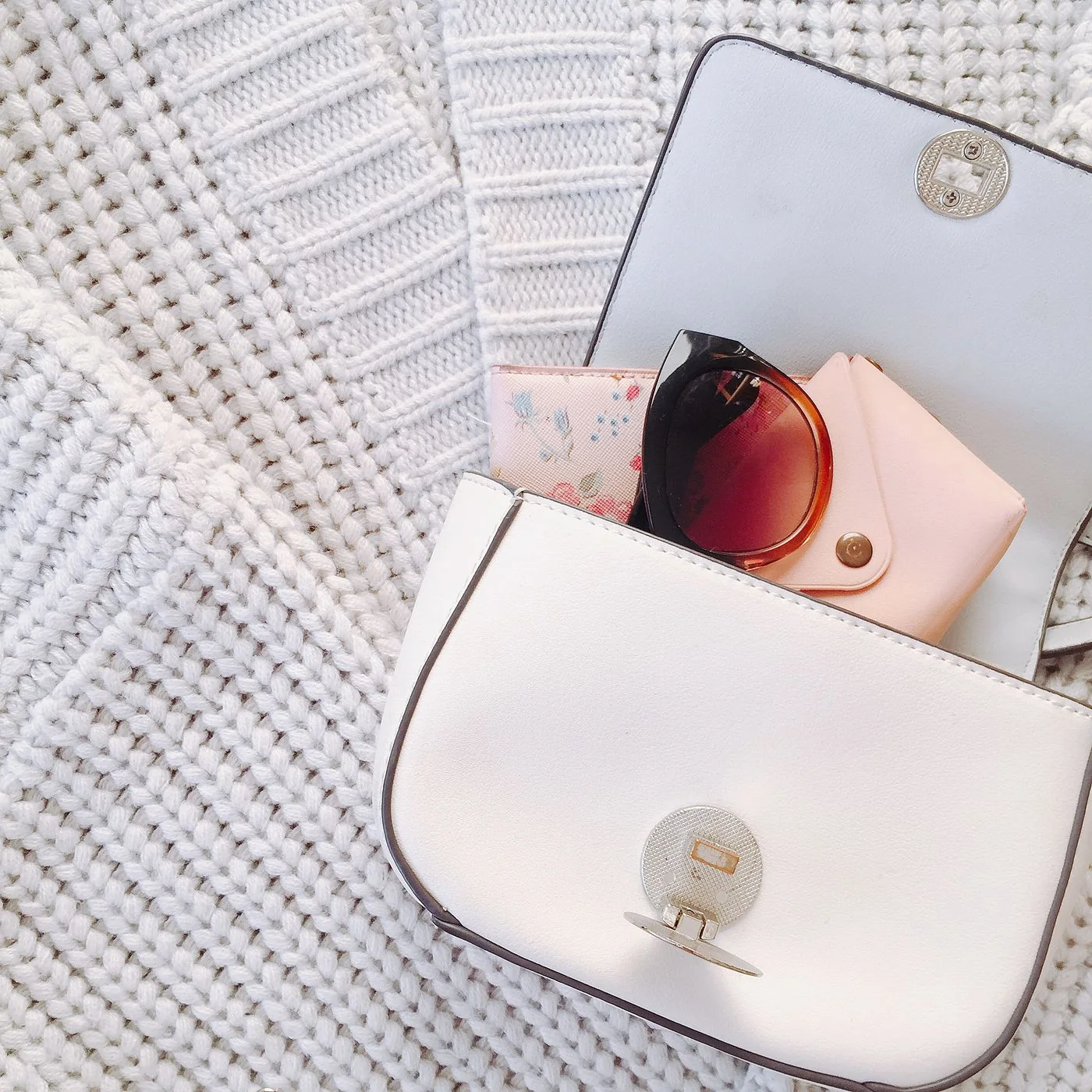
An evening bag can appear roomy when it is empty and become awkward once the phone, keys and other essentials are inside. Test its closure with the actual group you intend to carry before choosing it for an outing. Follow the bag's instructions and keep valuables appropriately secure. The useful question is not how many objects can be pressed into the space. It is whether the necessary contents fit suitably while the bag remains comfortable to carry and straightforward to open and close.
Start with the outing's essentials
Choose the belongings genuinely needed for the plan and keep personal requirements clear. Avoid treating a small bag as a reason to omit something essential or to rely on another person's space without agreeing it. Give items requiring protection their appropriate cases and account for that real size. A phone without its usual case may fit differently from the one you actually carry. The test should use the complete relevant group rather than a simplified version that only works during the shopping decision.
Close it according to the design
Use the closure as intended and check the maker's guidance. Do not force a clasp or zip around an overfilled arrangement. Keep delicate linings and hardware handled appropriately. If the bag cannot close with the necessary group in place, choose a suitable larger option or reconsider nonessential contents. A closure that rests partly open is not evidence that the bag suits the task. The practical fit includes the item's intended operation, not merely its ability to hold belongings while displayed on a table.
Try retrieving a regular item
In a suitable private place, open the bag and retrieve something you expect to use during the outing. Check that you can return it and close the bag without removing several unrelated objects first. Keep valuables secure while testing and avoid making important items unnecessarily exposed. A compact interior may work well when the group is deliberate, but repeated searching can reveal that the shape or compartments do not suit your needs. The best arrangement is one you can understand and restore without a complicated packing sequence.
Check carrying with the outfit
Try the bag with the actual sleeves and outer layer intended for the evening. Follow the design's guidance for handles or straps and account for your own comfort. Notice where the bag contacts the garment and whether either item needs particular care. Do not assume a small bag is automatically easy to manage throughout a longer outing. Its shape, closure and carrying method all contribute to the practical choice. The outfit should remain usable when the bag is full and carried as intended.
If shopping, read the current product details and applicable purchase terms from the retailer before deciding. Do not infer stock, dimensions or return conditions from an editorial image. A suitable bag can be one already owned, provided it passes the real contents and carrying checks. The closure test turns a vague impression of enough room into an observable decision: the essentials fit appropriately, the bag operates as designed and the outfit remains comfortable for the actual evening.
Continue planning with A Small-Bag Packing List That Leaves Room for the Essentials, What to Look for in an Everyday Work Tote.