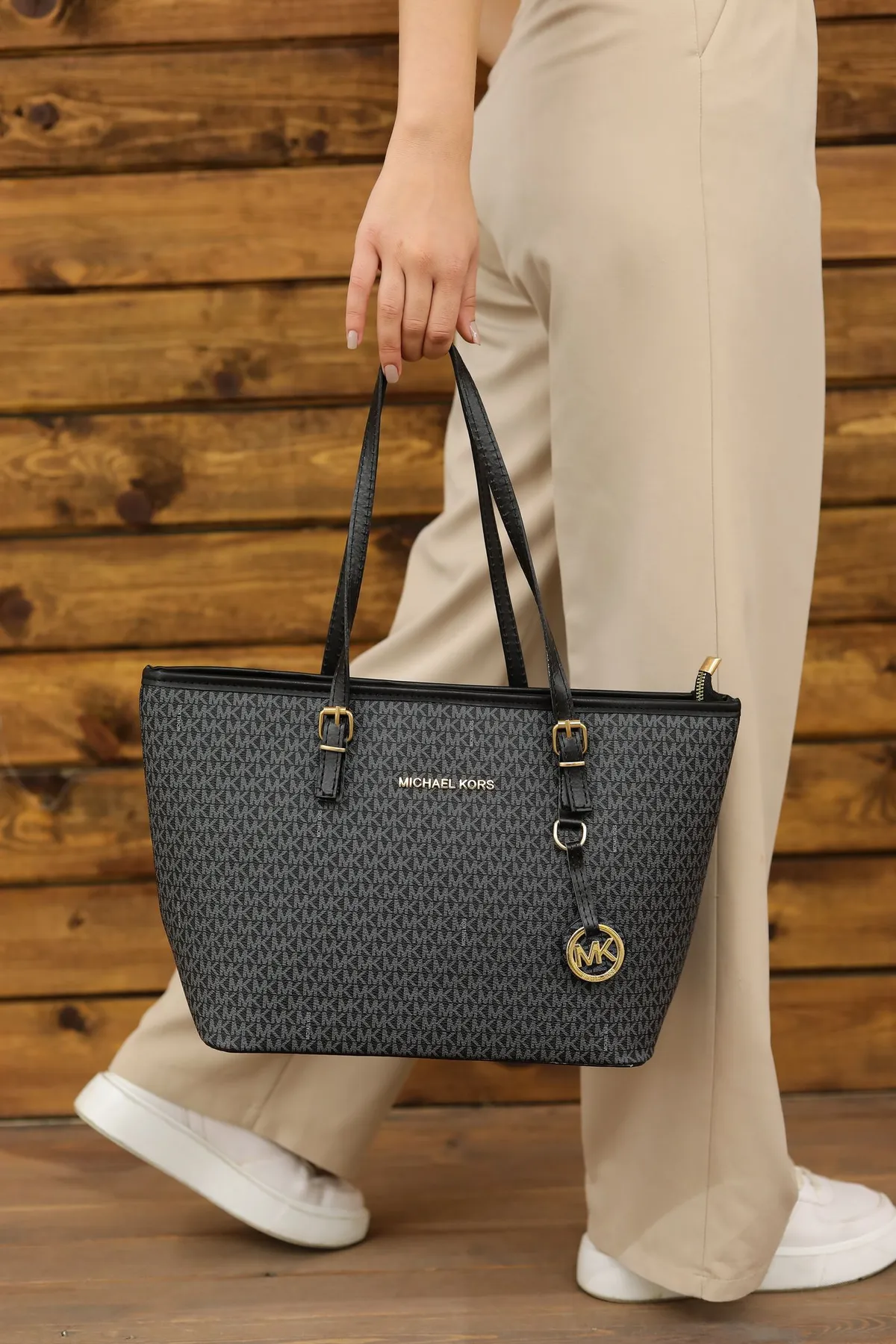
Cloth tote handles can appear similar while creating different carrying arrangements. Try the actual bag with the contents and layers intended for the day, following its instructions. The useful length depends on the design, your preferences and personal comfort, not a fixed measurement that suits everyone. A tote should work through the real route, including the moments when another hand is needed. An empty bag held briefly in front of a mirror does not answer those practical questions about its everyday role.
Start with a clear contents group
Choose the belongings required for the outing and give items needing protection their appropriate cases. Keep valuables and sensitive information suitably secure. Follow the tote's intended use and loading guidance. Do not fill it with extra objects merely to explore its theoretical capacity. The test should represent the actual task, including any realistic return journey. A bag that seems convenient with a light starting group may need a different role if the day's planned contents cannot be carried appropriately and comfortably within its design.
Wear the relevant sleeve and outer layer
Try the handles with the clothing normally worn for the route. Check the points where the bag contacts the sleeve or shoulder and follow care guidance for the materials. Avoid assuming a handle that works with a thin top will feel identical over a coat. Use the bag as designed rather than improvising a carrying method that changes its intended load or attachment. Your own comfort matters more than matching an image of how a tote is supposed to sit beside an outfit.
Check removal and return
Take the bag off and put it back on in the ordinary way appropriate to its design. Notice whether the handle arrangement is straightforward with the actual layers and contents. Keep movement within your comfort and ability. A tote may fit in one static position while being awkward to manage repeatedly during the day. Include the practical sequence rather than judging only the final view. If the handles create an unresolved problem, compare another suitable bag already owned before assuming an organizer inside will change the carrying experience.
Consider the stop as well as the walk
Decide where the bag goes when sitting or working, keeping routes clear and belongings appropriately secure. Follow the tote's care needs and avoid placing it on unsuitable surfaces. If it is intended as a spare bag, check how it is stored when not in use and whether that arrangement suits the product. A clear role through the whole outing makes the bag easier to account for. The handle length is one part of that role, connected to how the tote is used rather than considered as an isolated styling detail.
If buying, read current dimensions, materials and applicable terms directly from the retailer. Do not infer carrying limits or durability from an editorial photograph. Keep the successful existing combination in mind where it serves the day. A cloth tote can be a practical familiar accessory when the load, layers and intended carrying method work together. The useful choice is the one you can comfortably manage for the actual task, with the contents appropriate and the handles used as designed from departure through the journey home.
Continue planning with What to Look for in an Everyday Work Tote, A Small-Bag Packing List That Leaves Room for the Essentials.