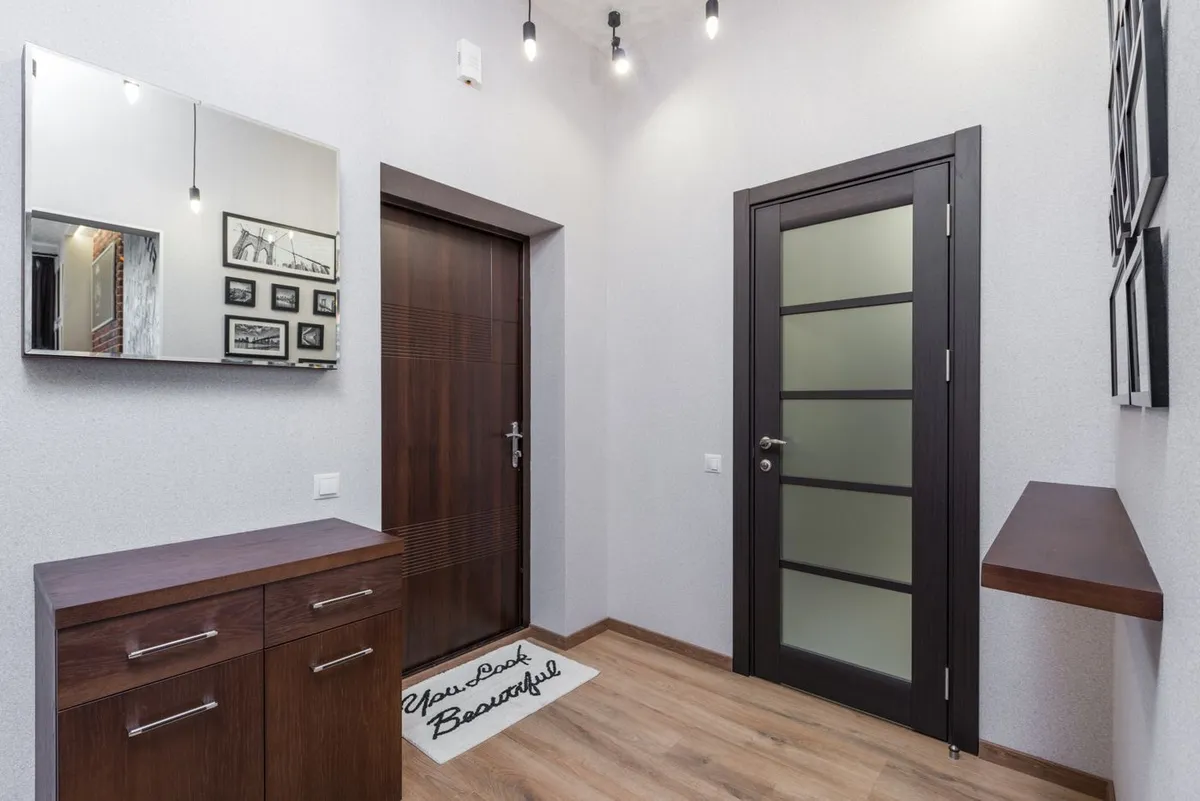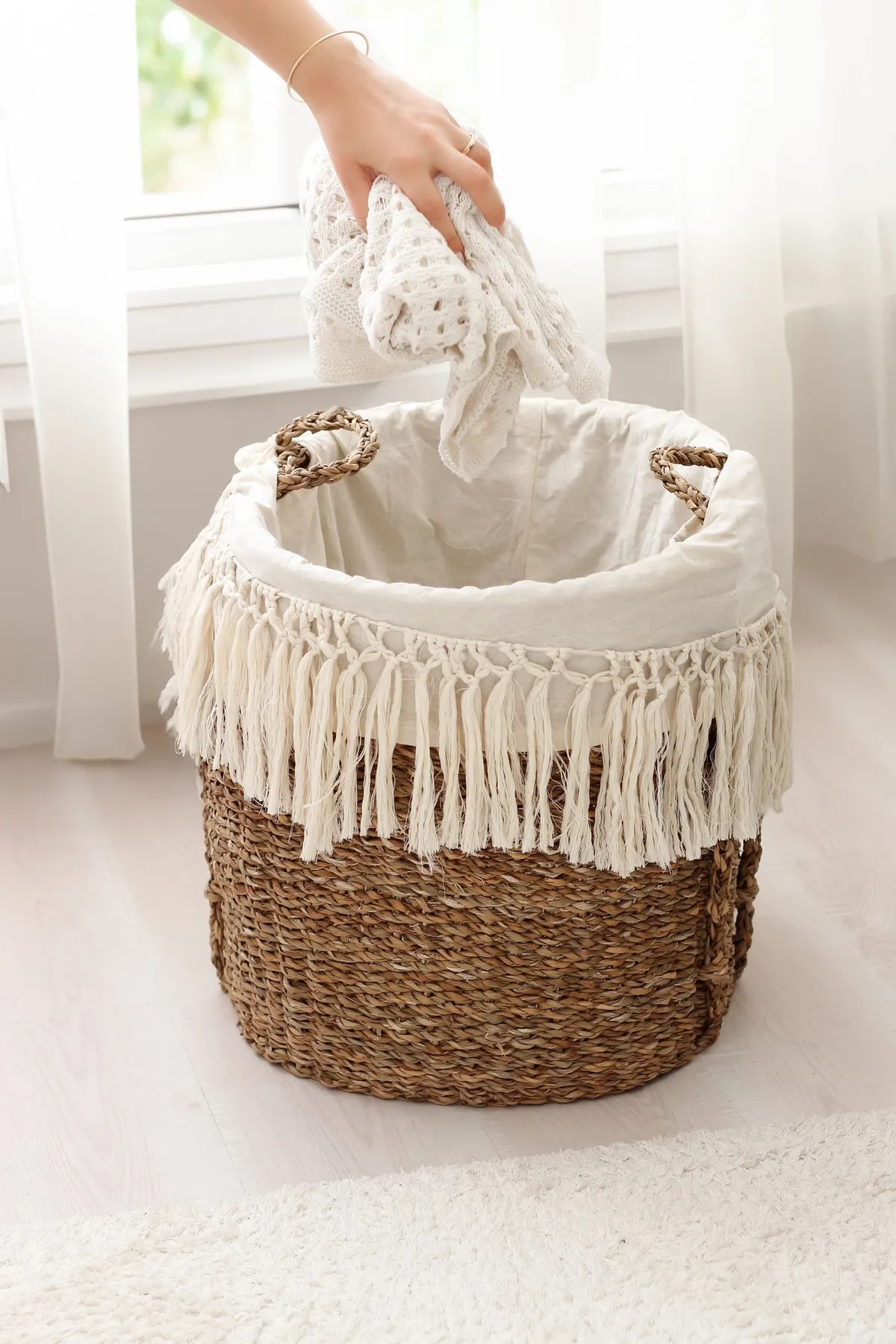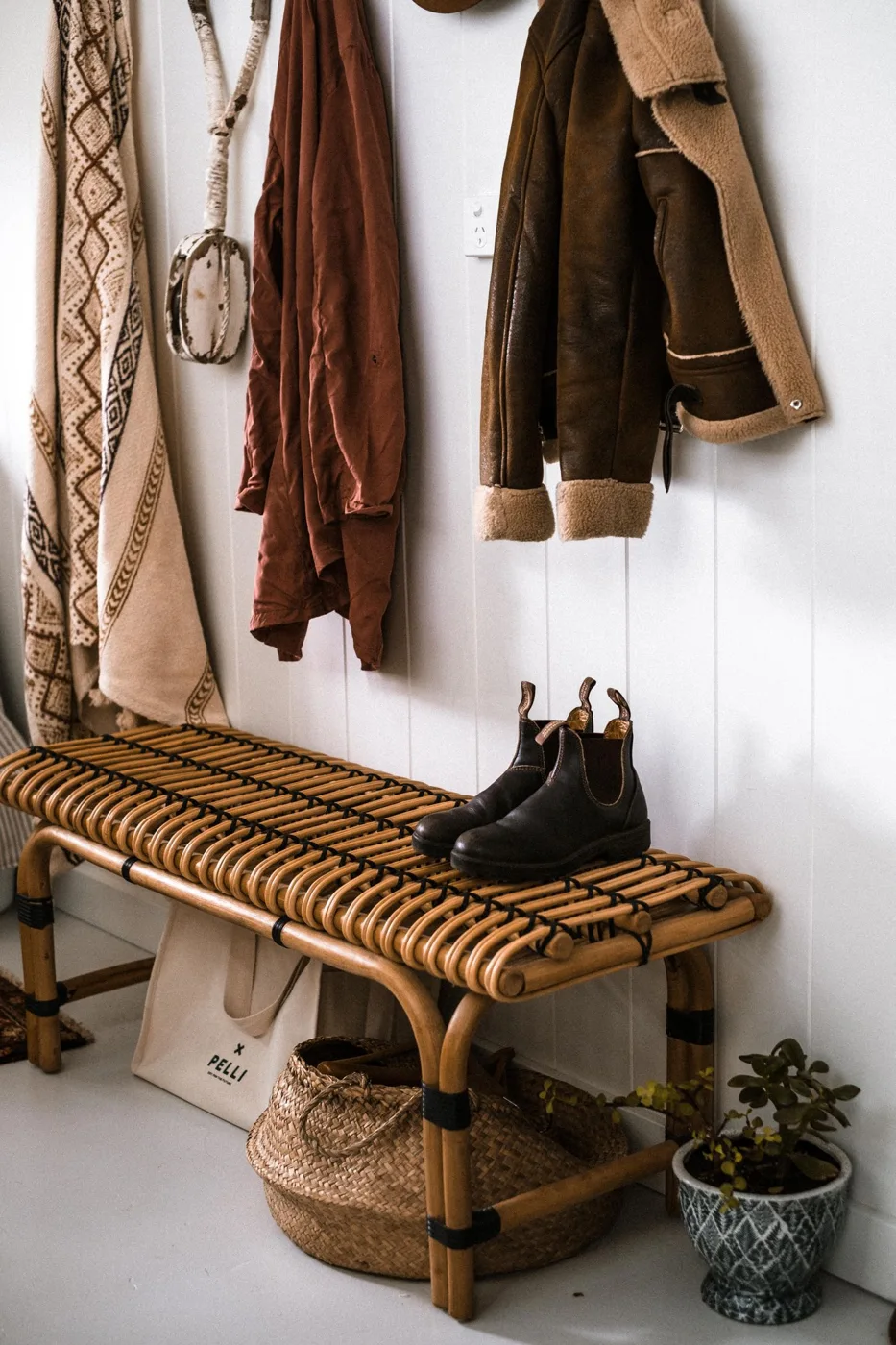
Scarves and gloves can move between coat pockets, bags and the nearest entrance surface until the useful pair becomes difficult to find. Give the daily group an appropriate return position connected to the way you come home. Check the items' condition and follow their care instructions before storage. The arrangement should support the accessories you actually use, not bring the entire seasonal collection to the front door or turn every spare container into another place to search before leaving.
Choose the current group
Identify the accessories used for the ordinary week and distinguish them from less frequent alternatives. Keep individual household members' belongings recognisable where that helps the shared routine. Avoid treating similar-looking gloves as interchangeable if they belong to different people or have different requirements. A modest active group is easier to account for than a large mixed collection. Return items outside the current season to suitable storage rather than allowing them to compete for the same accessible space needed by the daily pair.
Check condition before returning
Follow the care guidance for each item and deal with dampness or other attention appropriately. Do not seal accessories into a storage arrangement solely to make the entrance look tidy if that does not suit their condition. Keep items needing care distinct from those ready to wear. The return position should communicate what is actually available for the next outing, not hide a mixture of ready and unresolved belongings. A small clear decision after arrival can prevent uncertainty about whether the familiar pair is suitable to use again.
Match the position to the arrival route
Choose suitable storage that leaves doors, furniture and walking routes clear. Follow the instructions for any fitting and avoid assuming a small hook can hold a growing group. Check the position while wearing the ordinary coat and carrying the bag you bring home. It should be easy to use without setting several other belongings in an awkward place first. If the accessories consistently land elsewhere, that is useful information about the route. Adjust the destination rather than repeating a general instruction to keep the hallway tidy.
Keep pairs and next actions visible to you
Account for the actual matching pieces before considering the group complete. If something is missing, give the search or replacement decision a clear next step instead of leaving an unidentified spare in the ready collection. Store items appropriately for their materials and use. A simple personal division may help a shared household, but avoid an elaborate labeling system if the group is already easy to recognise. The arrangement should reduce searching, not add a maintenance task larger than the small collection it is meant to organize.
Review the group when the weather or routine changes. Move ready accessories into or out of the active position deliberately and keep their care needs part of the handover. You do not need every possible option at the entrance all year. The useful arrangement has the current items available, the wider collection suitably stored and a clear return after each outing. That makes the next departure simpler while leaving the entrance ready for people rather than filled with the previous day's belongings.
Continue planning with A Small Entryway Setup for Bags, Coats and Tomorrow's Outfit, A Laundry-Day Routine for a Wardrobe With Different Fabrics.