It is Sunday afternoon, and your laundry basket contains cotton shirts, gym clothes, a wool cardigan and the trousers you need tomorrow. Washing everything together looks efficient until one garment needs a different cycle or the drying rack runs out of space. A workable routine starts before the machine door opens.
Think of laundry day as a sequence of small decisions: what needs cleaning, how each garment should be treated, where it will dry and when it must be ready. You do not need an elaborate utility room. You need a system that fits your wardrobe, your equipment and the time you actually have.
Read the labels before making piles
Start with the garment care label and your machine’s instructions. Fabric names alone do not settle the question: trims, linings, dyes and construction can change the recommended treatment. A cotton shirt and a cotton jacket may have different instructions. Set aside anything requiring specialist cleaning or a process you cannot complete that day.
Then group items by compatible care requirements, color and practical load size. Check pockets, close fastenings where appropriate and look for stains before washing. Follow the garment and cleaning-product instructions for stain treatment; avoid improvising a strong mixture because a mark looks stubborn. If you are uncertain about a valuable or delicate piece, ask the manufacturer or a suitable cleaning professional.
Keep a small note of instructions you repeatedly forget. A photograph of a label can be useful if it becomes difficult to read later. The note should supplement the original instructions, rather than replace them with a universal rule such as treating every knit identically.
Plan the drying space first
Before starting a load, count the garments that need the drying rack, a suitable flat surface or another specific drying method. If that space is already occupied, postpone the next load or choose items with different permitted drying arrangements. Finishing a wash without anywhere appropriate to put it creates avoidable work.
Follow each label’s drying instructions and leave enough room for the arrangement to work. Check the rack’s load limit and stability, particularly when several wet garments are involved. Keep pathways usable and consider where water might drip. A compact folding rack can be useful, but its folded dimensions matter as much as its open capacity when it lives behind a door.
Make a separate plan for tomorrow’s outfit. If the trousers cannot reasonably be cleaned and dried in time using their recommended method, choose another pair tonight. A rushed deadline is a poor reason to override care instructions.
Build an equipment list around an actual problem
Use your current basket and drying setup for a week before shopping. Notice whether the problem is carrying laundry between floors, separating garments, limited drying space or putting clean clothes away. One well-chosen item that solves that problem is more useful than a coordinated collection you cannot store.
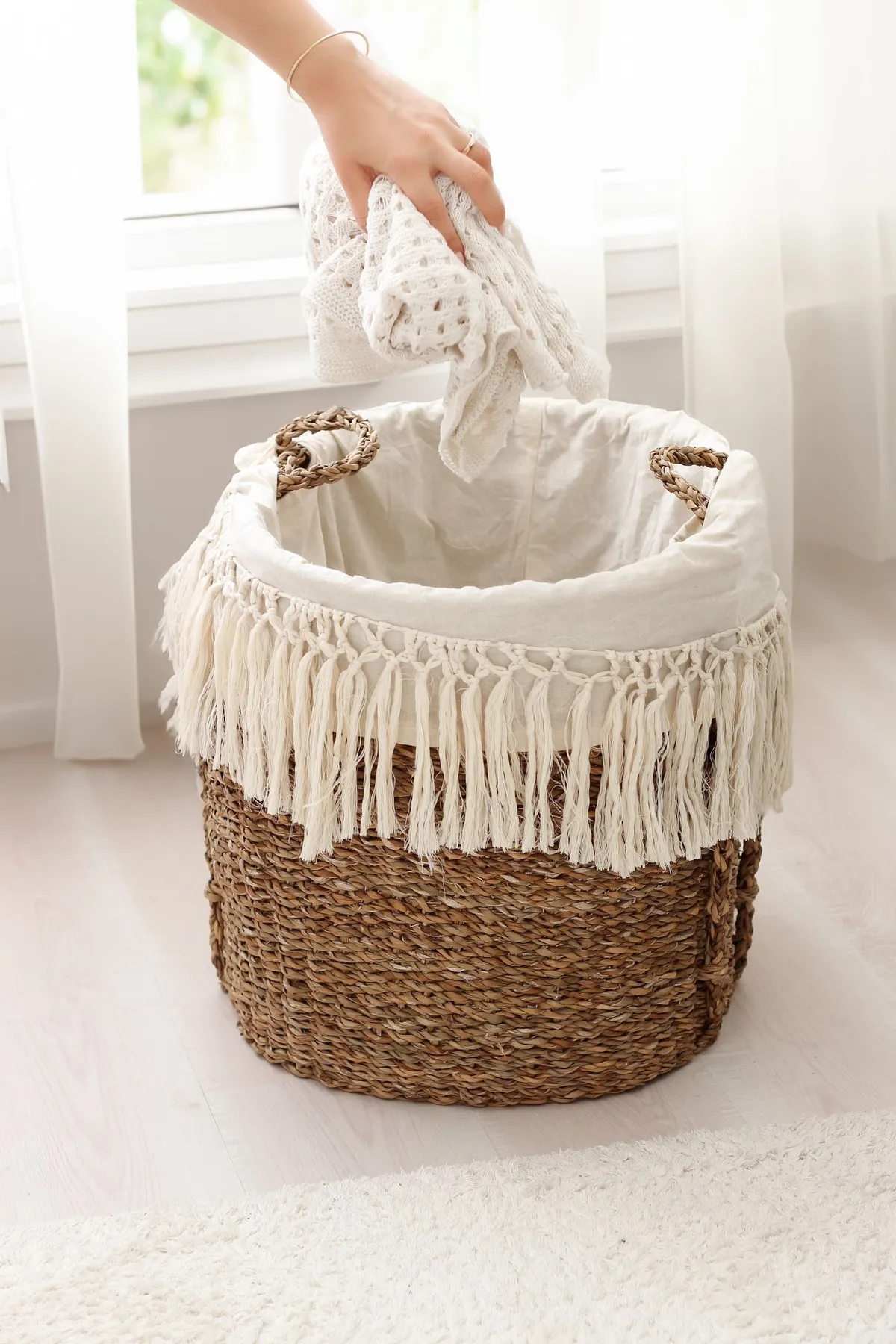
When browsing IKEA’s laundry and storage options, compare dimensions, permitted loads and cleaning instructions on the current product page. A divided hamper may simplify sorting, but check whether each compartment is large enough for your usual load. Mesh laundry bags can help keep small items together when their use is compatible with the garment and machine instructions. They do not make an unsuitable wash cycle appropriate.
Preparation checklist
- Read garment labels and machine instructions before choosing a cycle.
- Empty pockets and identify items needing separate treatment.
- Check that the detergent and any treatment suit the stated requirements.
- Reserve the required drying space before starting the machine.
- Set aside an alternative outfit if a necessary garment will not be ready.
- Schedule a short folding and putting-away session after drying.
Tradeoffs
More separate loads can accommodate different care needs, but also require more time and resources. Waiting to combine compatible items may help, provided you still have the clothes you need. A larger rack offers capacity while taking up valuable floor space. A smaller one stores easily but can require several drying sessions. Choose for the room you have, not a hypothetical future laundry area.
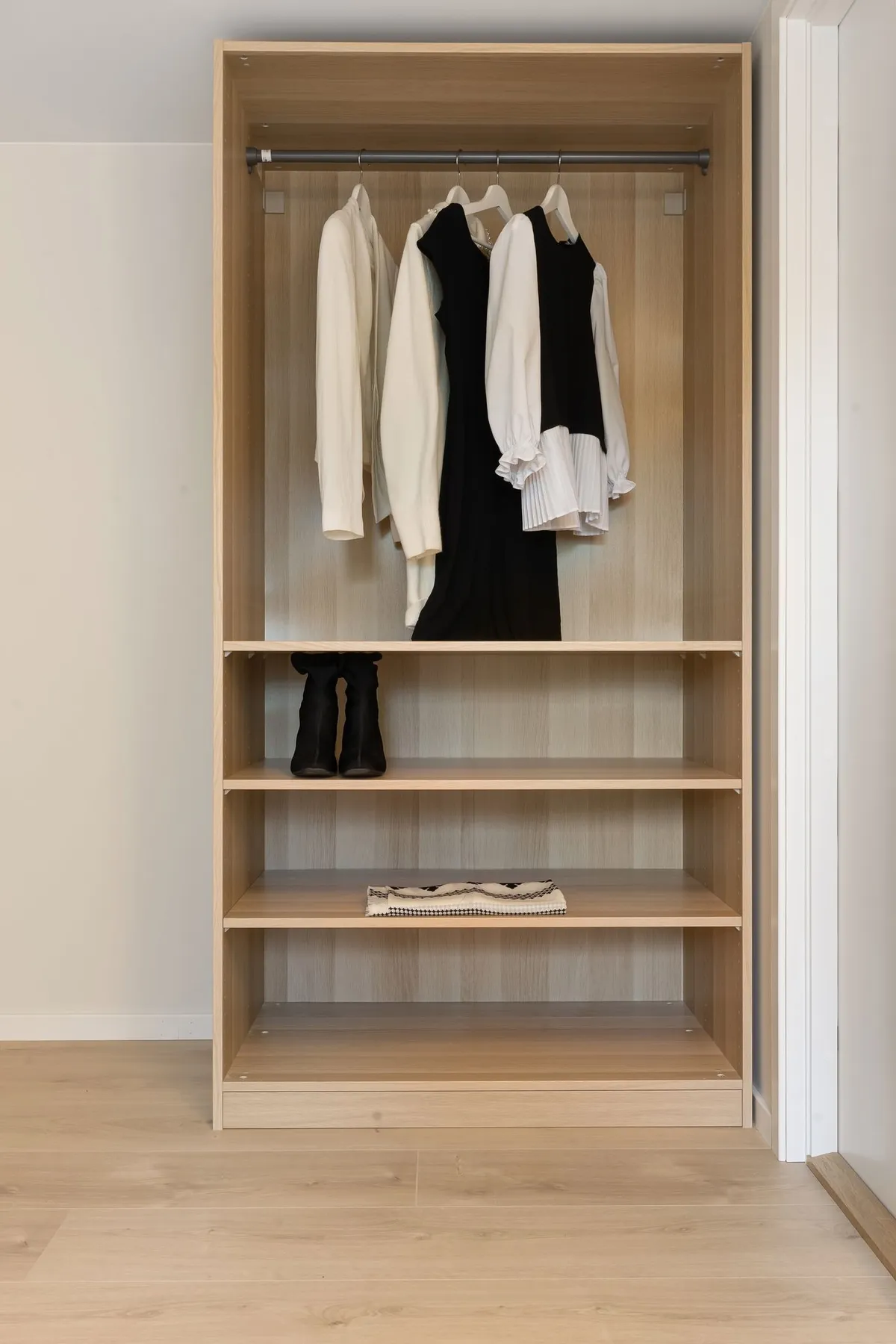
The final step is returning clean clothes to their homes. Put hangers and storage space within reach, fold what needs folding and check that garments are dry before putting them away. Leaving one clear surface for this task can keep a completed wash from becoming next week’s chair pile. A routine is successful when you can repeat it on an ordinary busy weekend.