A kitchen island can become a convenient temporary landing place for an outfit, a bag and the things needed before leaving home. That convenience can also create a collision with breakfast or another person's kitchen task. A more useful arrangement begins by giving dressing and meal preparation distinct places. The goal is an understandable morning handover, rather than a perfectly empty kitchen in a photograph.
Identify what is actually landing there
Notice the group of belongings that repeatedly reaches the worktop. Some items may belong to the outfit decision, while others are the essentials you carry through the door. Keep those roles distinct before buying another tray or organiser. A piece of clothing waiting for a choice needs a different next step from a bag that is already packed for departure.
Choose suitable places for the garments and accessories according to their care information and the household's conditions. Do not assume a food-preparation surface is an appropriate temporary wardrobe simply because it offers a large clear rectangle. Equally, do not move another person's kitchen supplies without agreement in order to make room for your own morning plan.
Create a clear dressing endpoint
Decide where the selected outfit will wait and where rejected options return. Use an appropriate existing arrangement that keeps the clothing associated with its next step. The place does not have to be a dedicated dressing room. A modest, understood position can work if it does not obstruct the room's ordinary use or require someone else to clear it before starting their day.
The outfit departure-point guide can help connect the chosen clothes with leaving home. Keep the final departure group small enough that it can move without turning the kitchen back into a second sorting surface.
Agree on shared timing
If several people prepare to leave at similar times, discuss the moments when each needs a particular area. A quick conversation about the real sequence may solve more than another storage purchase. Describe the practical conflict, such as needing the worktop for breakfast, rather than turning it into a judgement about someone else's tidiness or morning habits.
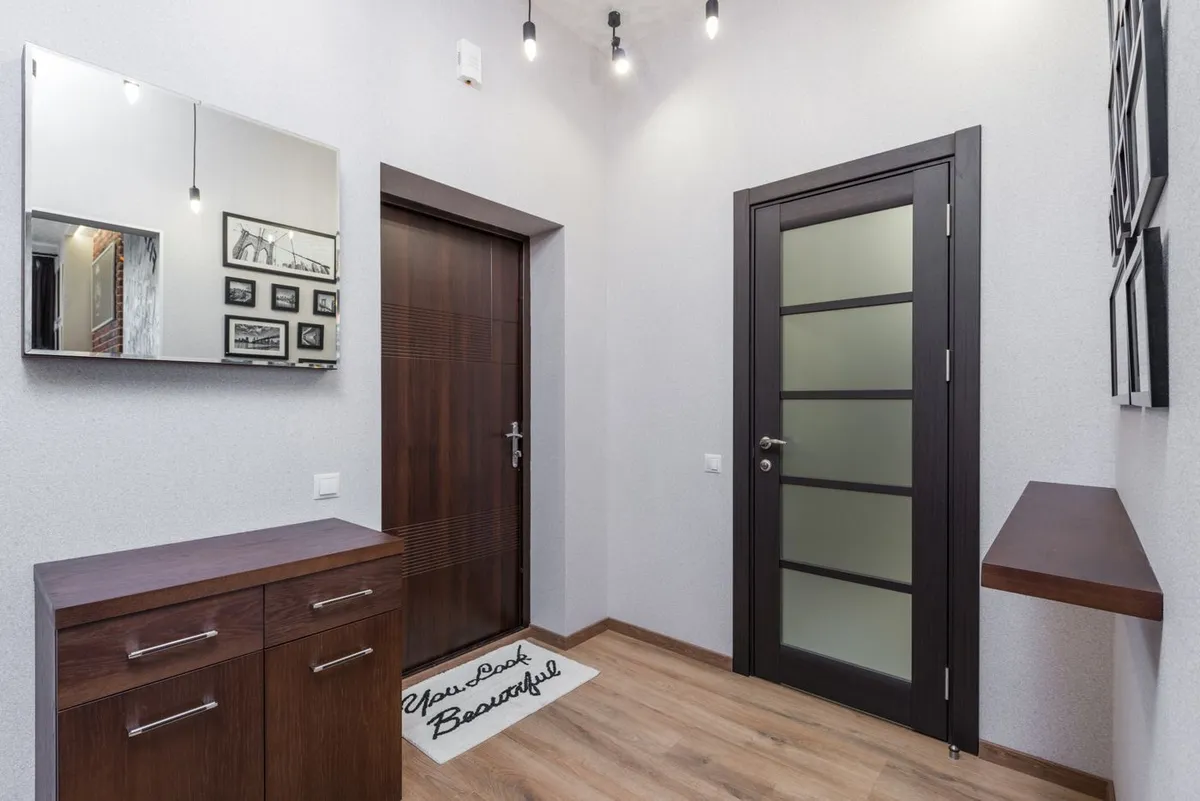
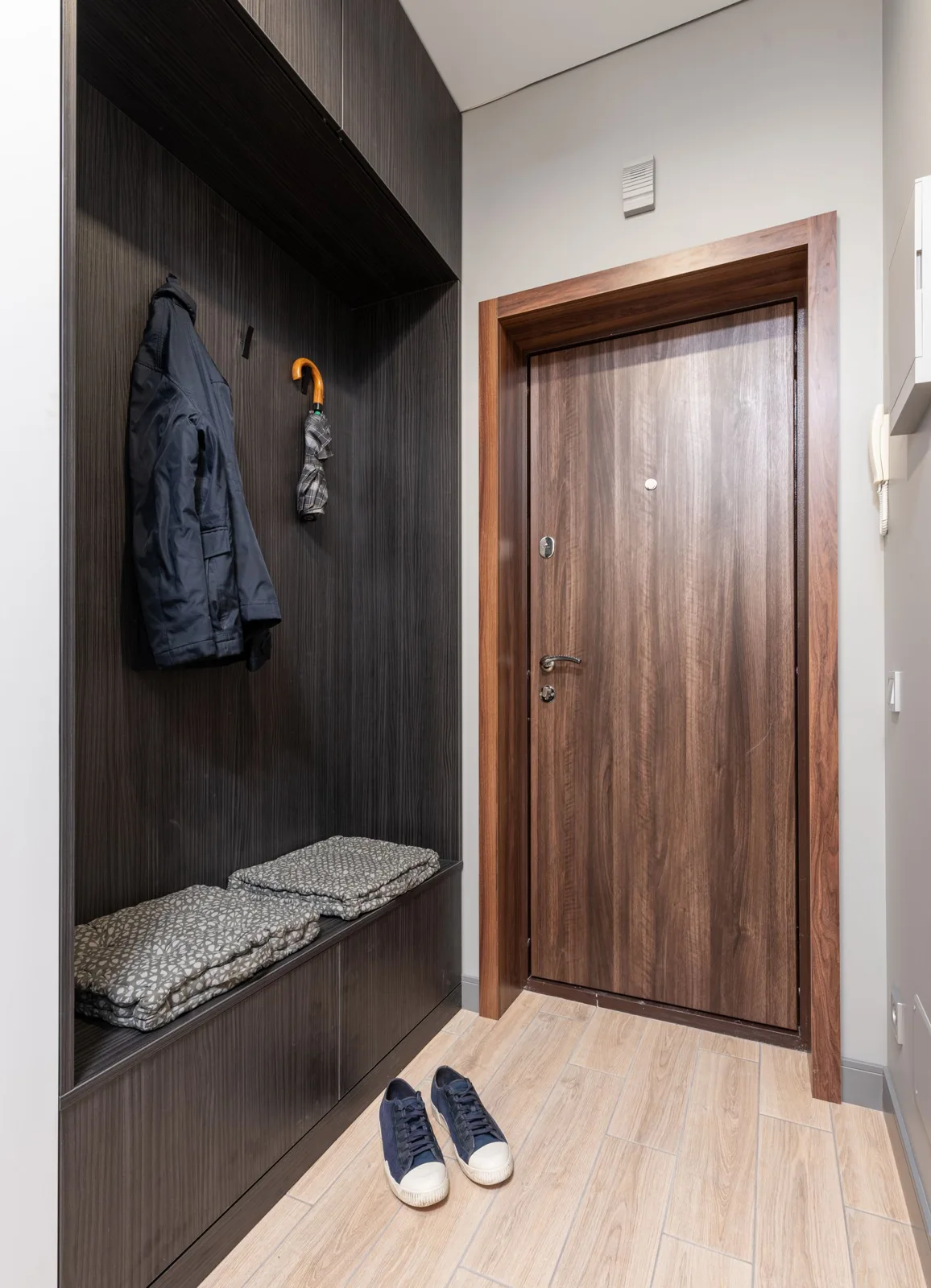
The small entrance setup can provide context for bags and coats that are ready to travel. Keep that ready group distinct from the clothes still awaiting a decision, so the person using the entrance does not have to guess which pile can move.
Fix the recurring handover
After a few ordinary mornings, notice which item still causes confusion. Perhaps an undecided jacket needs an earlier choice, or a departure bag lacks a suitable place. Adjust that specific handover rather than reorganising the whole kitchen and wardrobe at once. A practical boundary lets both rooms serve their intended tasks, while leaving each person clear about what is ready and what still needs attention.