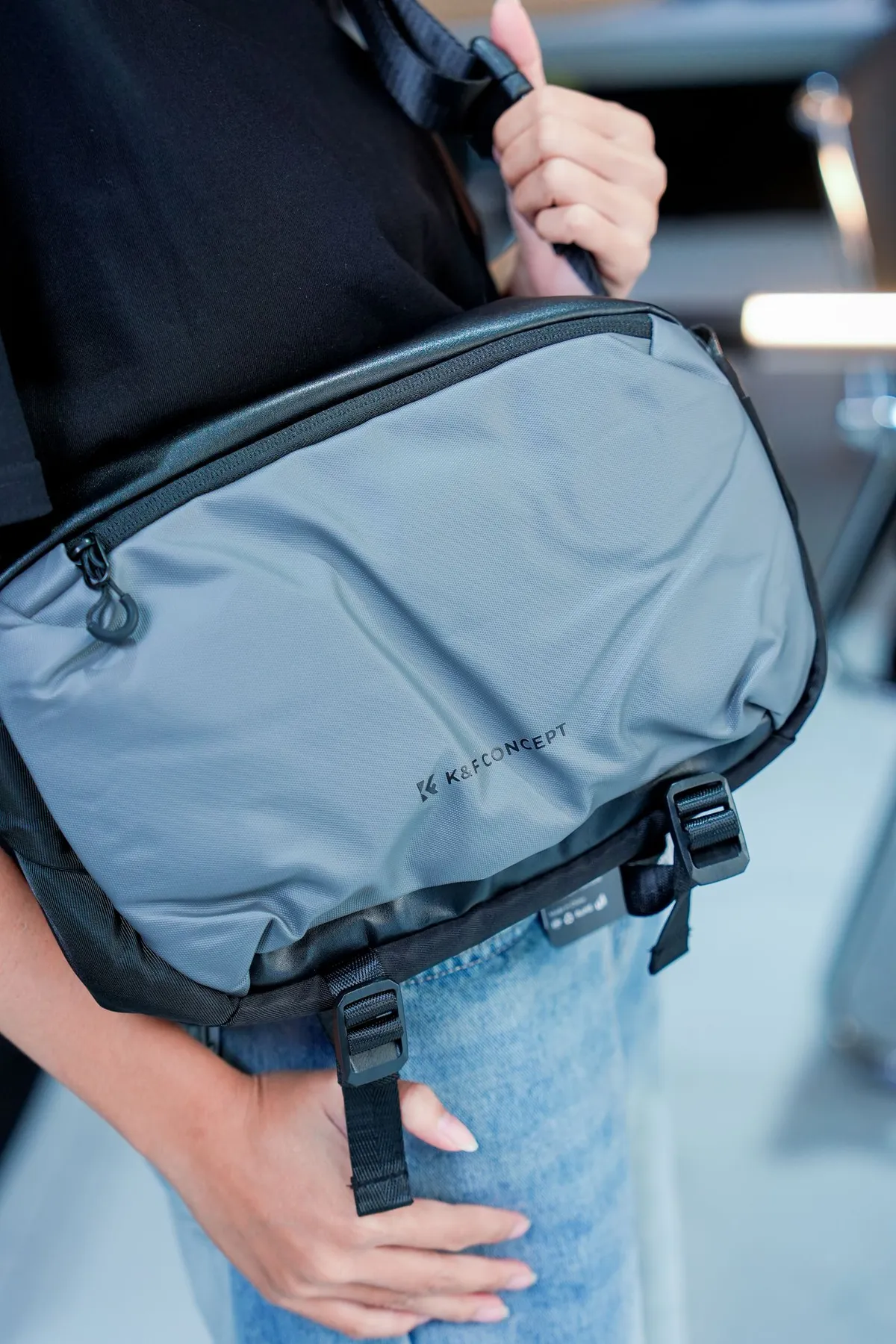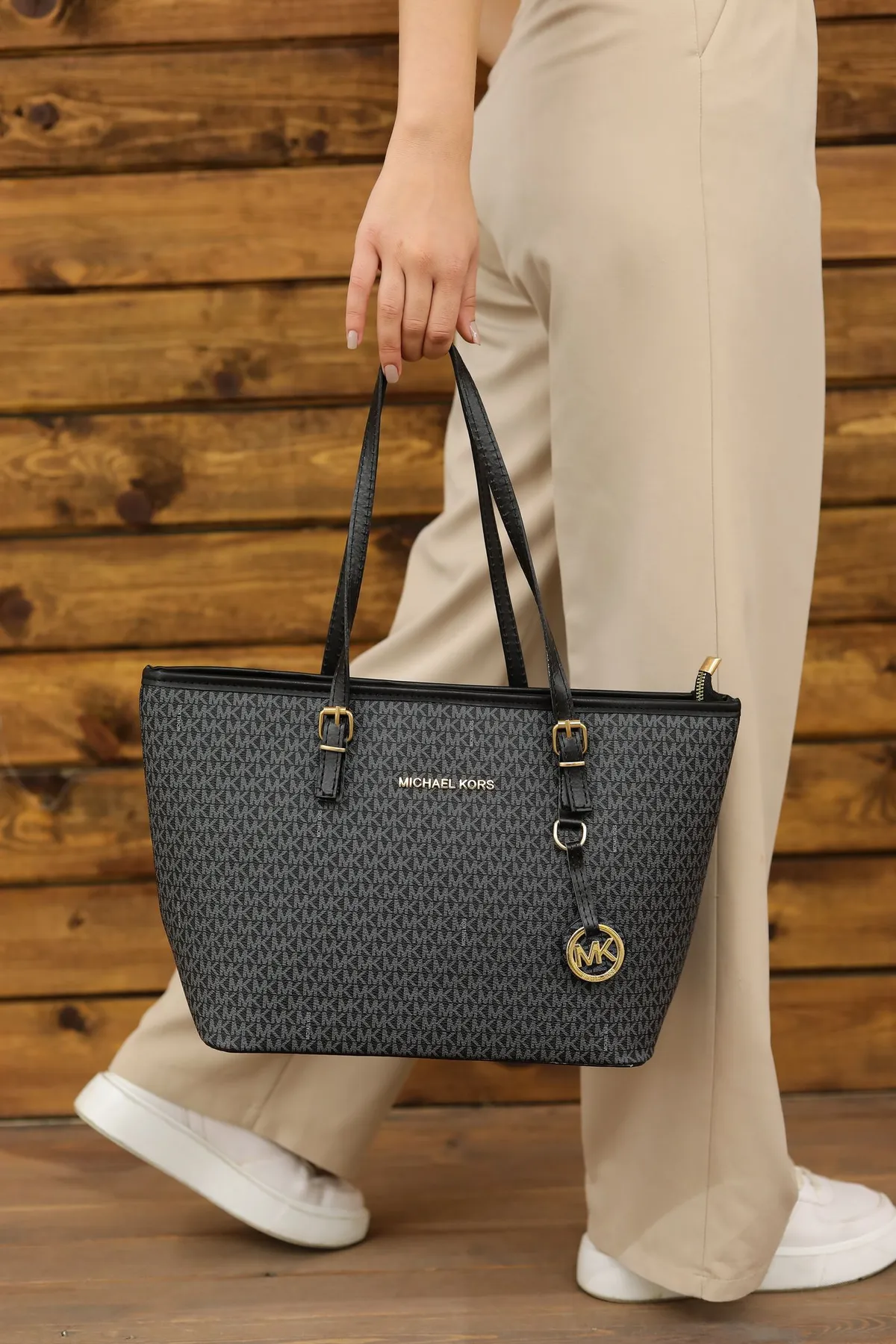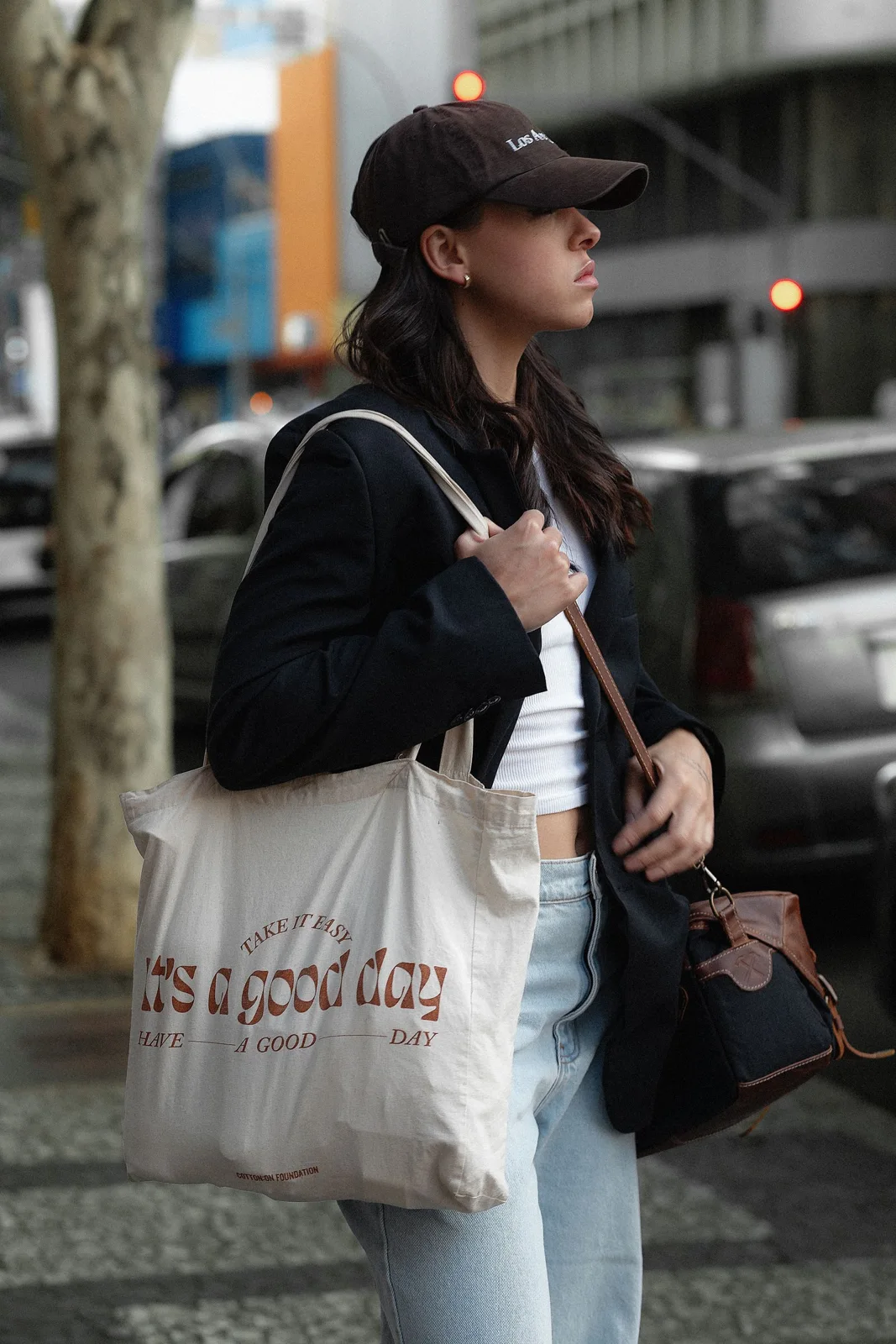
Two bags can be practical when their roles are distinct. A smaller bag may hold an appropriately secured essentials group while another suitable bag carries a different task's belongings. They can also create unnecessary handling if both contain an undefined mixture. Decide what each does before building the outfit around them. Follow the bags' instructions and keep personal comfort central. The useful choice is a manageable arrangement for the actual route, not a styling formula that assumes another bag automatically makes a day more organized.
Name a separate role for each bag
Identify the actual contents and task of the first bag, then do the same for the second. Keep valuables and sensitive information appropriately secure. Avoid dividing belongings arbitrarily merely because two bags are available. A clear role helps you know where an item belongs and whether both bags are needed for the whole outing. If their contents could fit appropriately and comfortably in one suitable bag, compare that simpler option before committing to an additional item that must be carried and accounted for through the day.
Check the complete load
Use the relevant contents and their required protection rather than empty bags for the outfit test. Follow load and carrying guidance for each product. Do not assume a small second bag has no practical effect on handling. Consider your own ability and needs, including any appropriate personal guidance. The useful arrangement should remain manageable beyond a brief mirror view. If one bag is intended for purchases later, account for that actual role and the journey home instead of judging the combination only at its lightest starting point.
Try the straps with the real layers
Wear the intended coat or jacket and carry each bag as designed. Check the contact points between straps, sleeves and the garment. Avoid overloading attachments or using one bag as an improvised support for another unless the equipment is designed for it. Keep ordinary movement comfortable for you. If the straps compete for the same space, try another suitable carrying arrangement or reduce the group. The outfit should support the bags' actual use rather than require them to be held apart continuously to preserve a particular appearance.
Plan the stages when bags are set down
Consider the seat, work area or other stops involved and keep access and routes clear. Follow care needs and appropriate security for the contents. Decide whether one bag remains relevant throughout the day or has a clear destination after its task is complete. Do not rely on another person's storage without agreeing it. A practical two-bag plan includes the transitions, not just walking between locations. Each item should be easy to account for when the outing changes from carrying to sitting and back again.
After using the arrangement, notice whether the second bag solved a real need or simply divided the same belongings across more places. Keep the useful combination and simplify the rest. If shopping, verify current product details directly with the retailer rather than inferring capacity or comfort from an editorial image. Two bags can have a clear place in a wardrobe when their roles and handling are understood. The number itself is not the advantage; the practical value comes from distinct tasks supported by an arrangement you can comfortably manage.
Continue planning with What to Look for in an Everyday Work Tote, Choosing a Crossbody Bag for Travel and Everyday Errands.