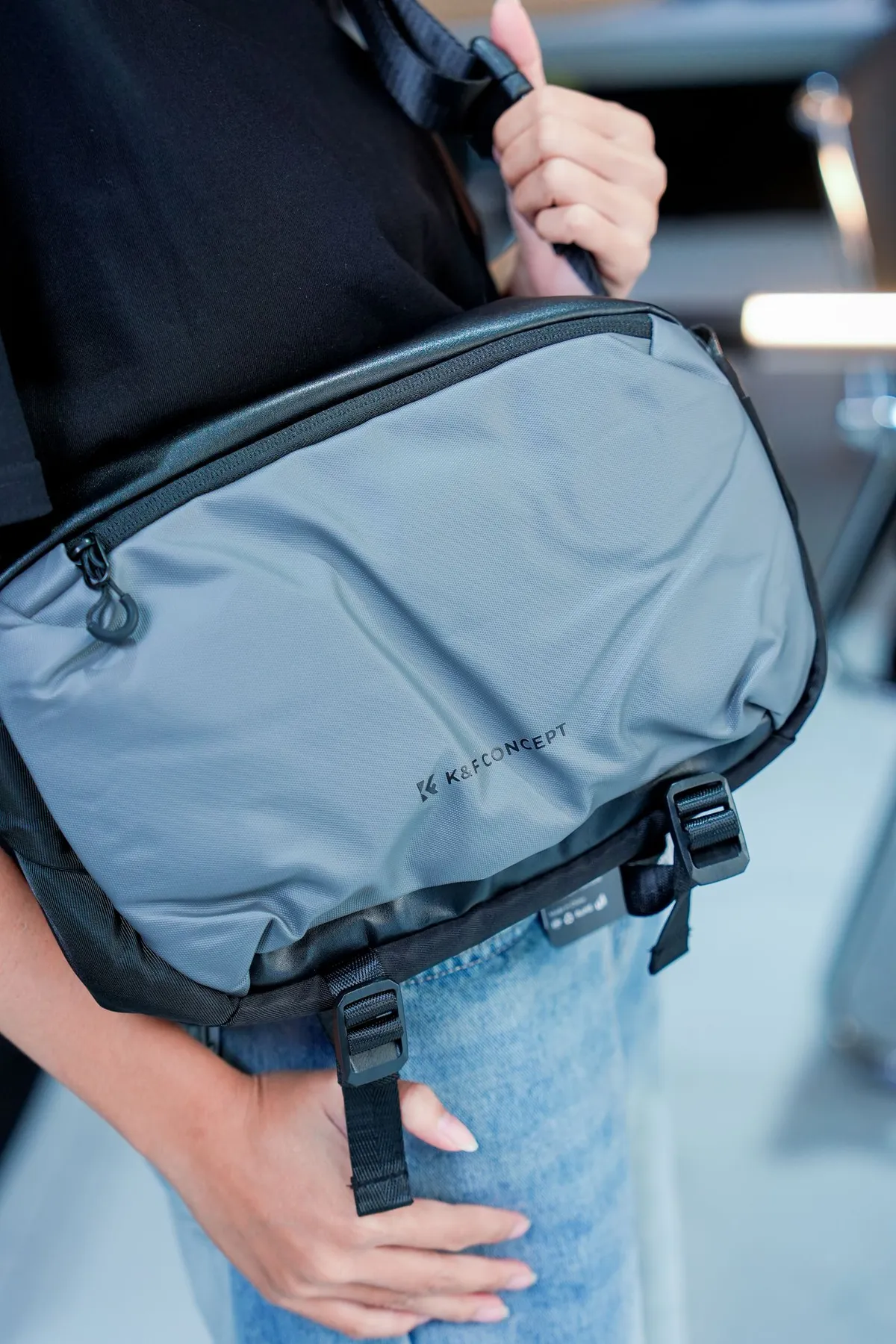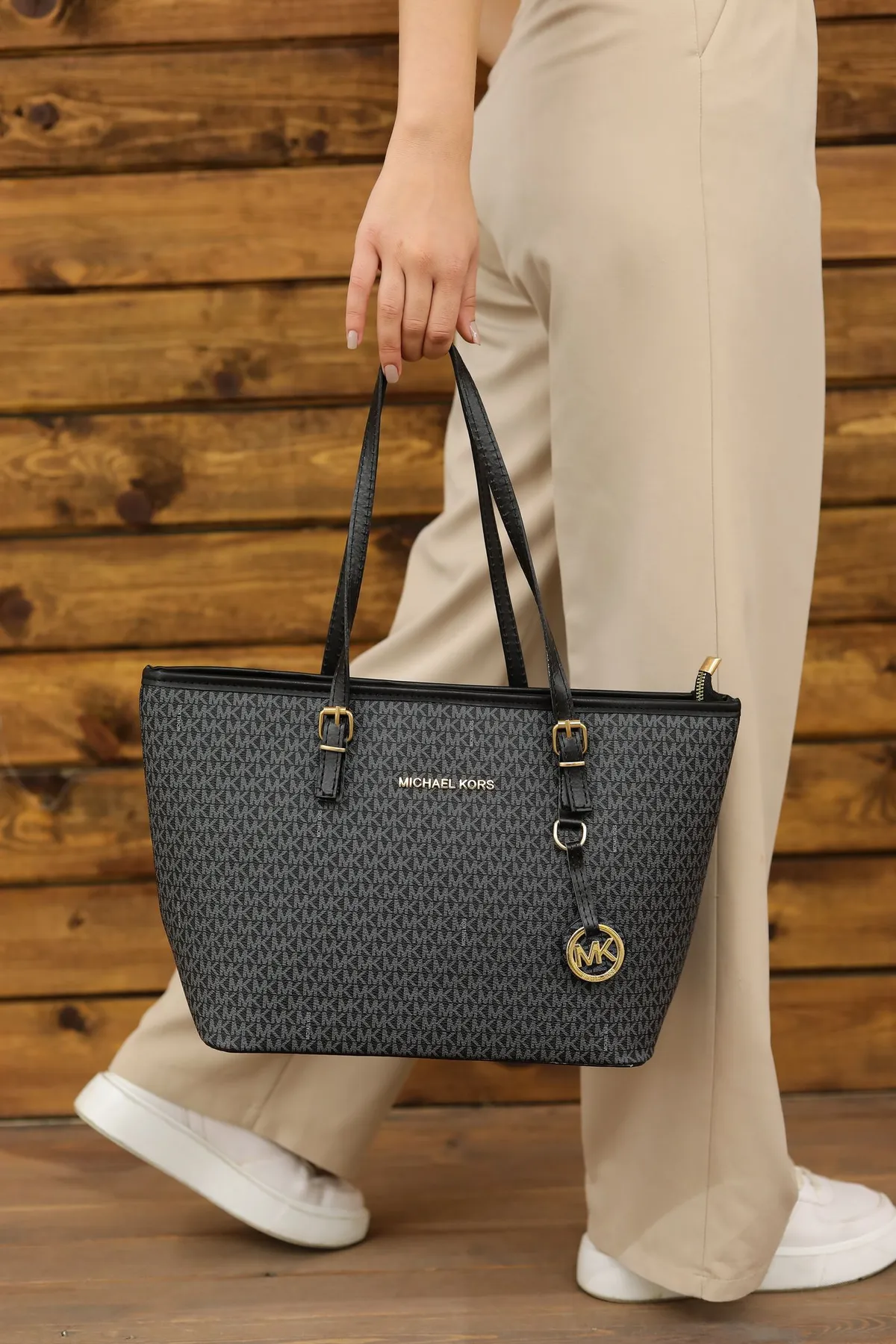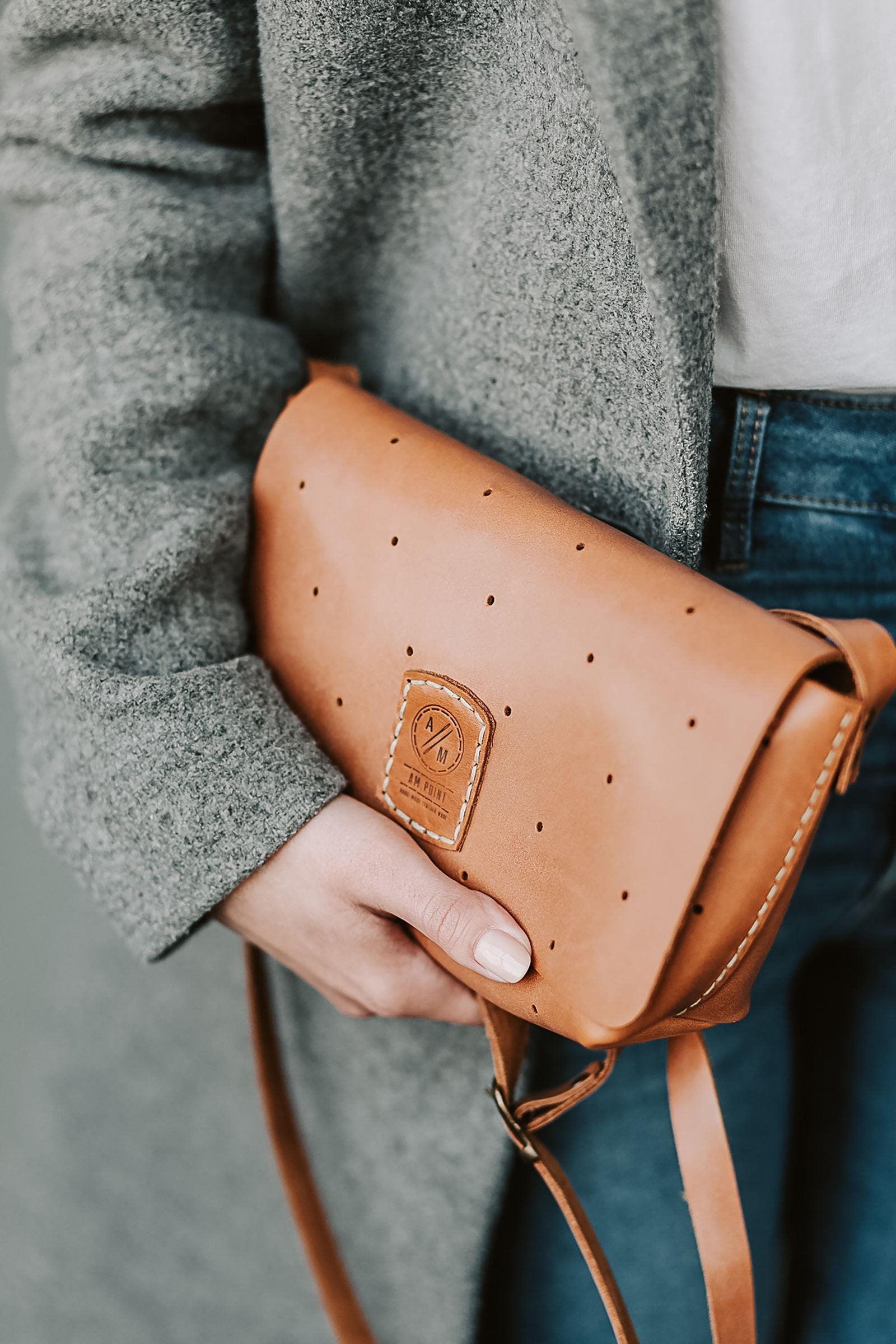
A satchel closure can work comfortably on an empty bag and become less convenient with the coat and belongings used for a full day. Test the actual arrangement before choosing the bag for its everyday role. Follow the product's instructions and keep valuables appropriately secure. The useful decision includes opening, retrieving and returning an item, not only how the closed bag looks beside the outfit. A familiar design can still suit different people and routes differently, so keep personal comfort central rather than treating one shape as universally practical.
Prepare the relevant contents
Choose the belongings needed for the outing and give equipment its appropriate protection. Keep the group within the bag's intended use and avoid forcing the shape around unnecessary extras. The closure test should represent the real arrangement, including cases and other items normally carried. A phone without its usual protection may fit differently from the one you actually take. Do not simplify the contents merely to make the bag appear suitable, then discover the practical difference after leaving home with the complete group.
Wear the intended coat
Try the bag with the actual sleeves and layers. Carry it according to its design and check the contact points between strap, cuff and body of the bag. Follow care guidance for the materials involved. A closure that feels easy with bare hands and thin sleeves may be different in another outfit. Keep movement within your comfort and ability. The purpose is to understand the combination you use, not prove that the bag can be managed in every possible clothing arrangement without adjustment.
Retrieve an item in an appropriate place
Open the bag as intended and take out something you expect to use, keeping the setting private and valuables secure. Return the item and close the bag properly. Notice whether the sequence requires removing several unrelated belongings or holding the satchel in an awkward position. Do not force hardware or improvise another closing method. A practical bag should support the relevant routine through its designed operation. If that operation does not suit your needs, another suitable existing bag may serve the day better despite the satchel's appealing appearance.
Check the rest of the route
Consider the ordinary stops and activities involved, including where the bag goes when you sit. Keep access clear and follow its care needs. Avoid assuming another person's table or storage is available for sorting the contents. A manageable group and clear internal arrangement can improve access, but they do not change the basic closure design. If the same difficulty occurs repeatedly, identify that specific issue before shopping rather than choosing another similar shape on the assumption that it will feel different without checking the actual product.
If purchasing, read current dimensions, construction details and applicable terms directly from the retailer. Do not infer material properties or security from an editorial photograph. The useful satchel choice is one you can operate as intended with the actual outfit and belongings, while keeping contents appropriately protected. A short closure check connects the bag's visual role with its everyday use, helping you select a familiar accessory for a clear purpose rather than a general promise that one compact shape will organize the whole day.
Continue planning with Choosing a Crossbody Bag for Travel and Everyday Errands, What to Look for in an Everyday Work Tote.