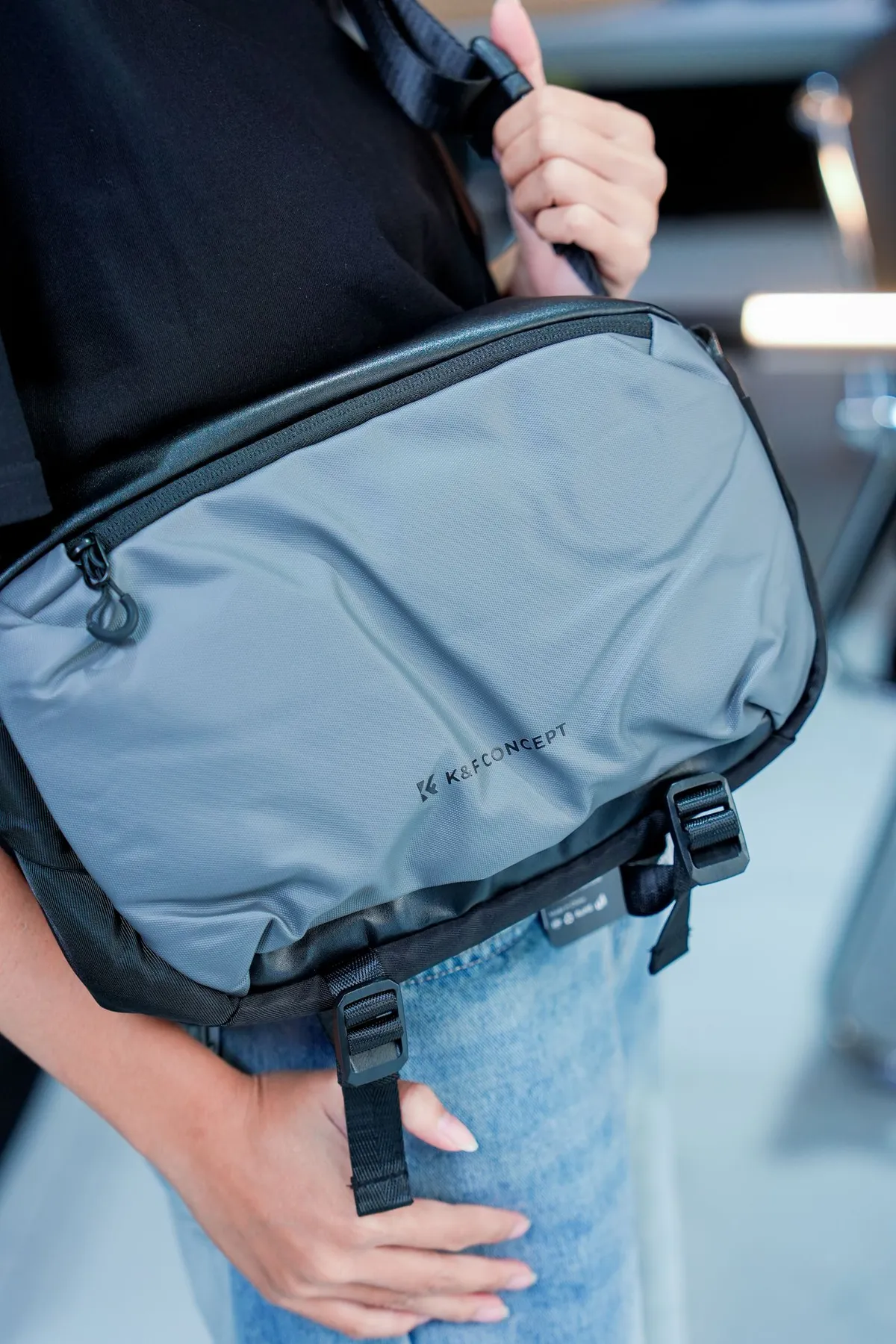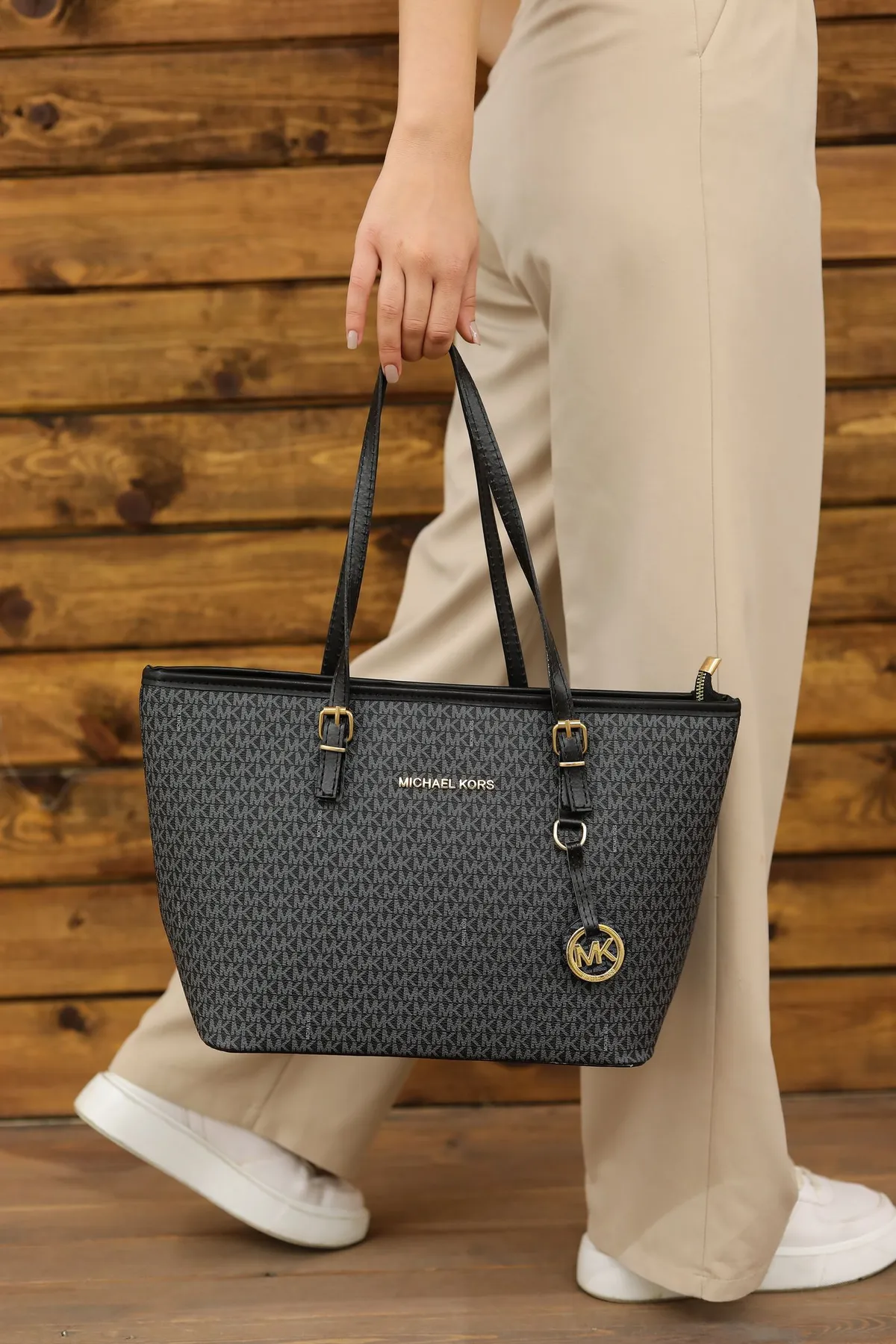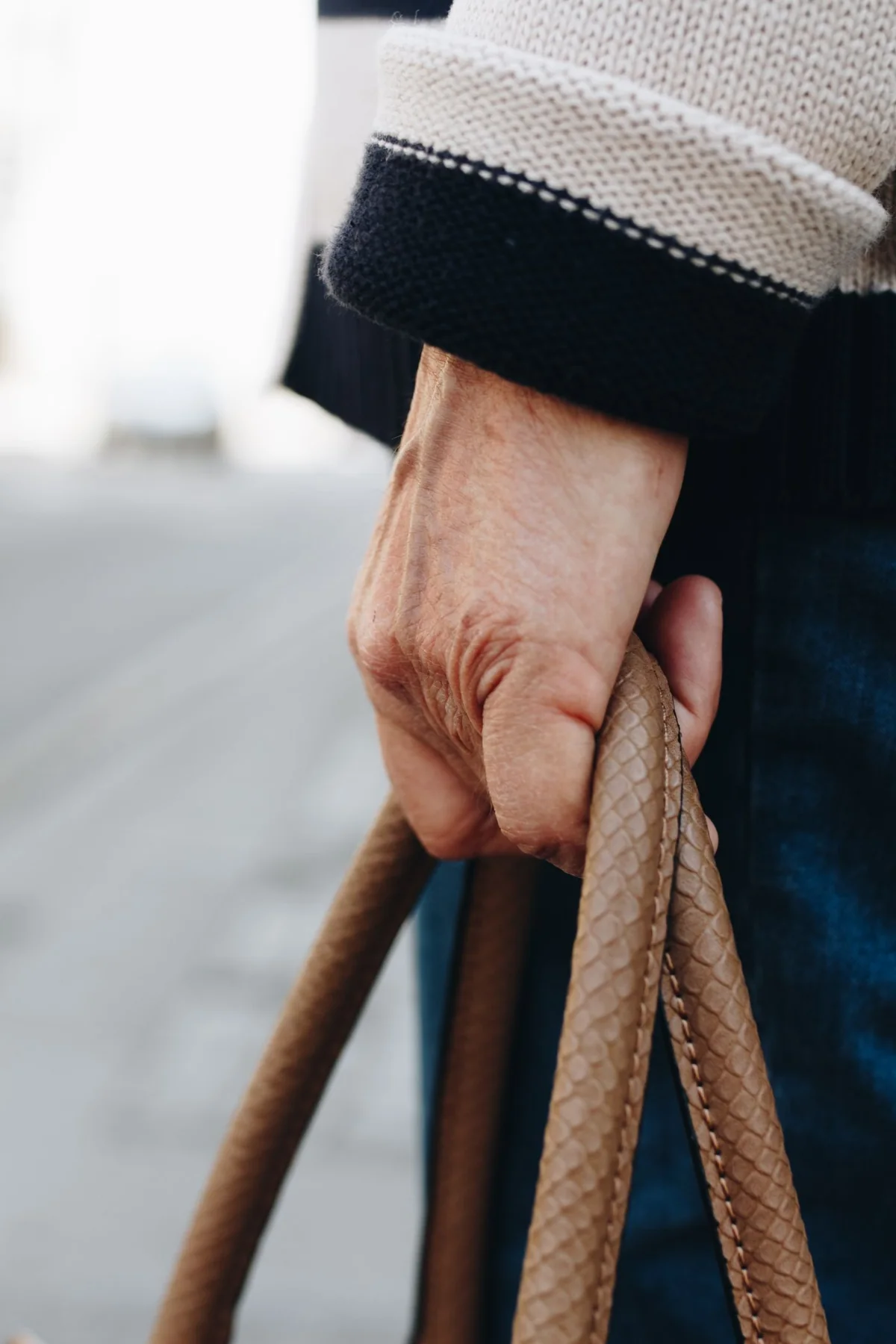
A handbag handle can feel different when you wear a thicker sleeve or carry the belongings required for a full day. Try the actual combination before deciding the bag suits your routine. Follow the bag's instructions and keep its contents within the intended use. The useful check is ordinary carrying with the coat and load you expect, not a brief hold of an empty bag that leaves the important practical questions unresolved until the first outing.
Bring the usual sleeve into the test
Wear the coat or jacket that normally accompanies the bag. Check how the handle relates to the cuff and whether either item needs particular care where they meet. Avoid assuming a handle that feels easy over a bare wrist will work identically with winter clothing. Keep your own comfort central and do not force a carrying position that feels awkward. The bag's shape and the sleeve's bulk are part of one arrangement, so judge them together rather than choosing each item independently and hoping the combination works later.
Use the real contents appropriately
Put the relevant belongings in their suitable positions, including any protective cases they need. Keep valuables secure and avoid adding unnecessary weight merely to test a theoretical capacity. Follow the manufacturer's guidance about loading and carrying. The purpose is to assess the bag for your actual day, not prove how much it can hold. A handle can seem comfortable with a light display arrangement while the complete useful group changes how you carry it. That difference matters more than the number of objects an empty interior appears able to contain.
Check ordinary hand movement
Carry the bag as designed and notice whether the grip is comfortable for you. Consider the tasks the other hand needs to perform during the outing, such as using a ticket or opening an appropriate door. Keep handling within your ability and seek suitable personal advice if needed. Do not improvise a carrying method that overloads hardware or uses an attachment for a purpose it was not designed to serve. A practical handle supports the route and your needs without requiring repeated changes to an uncomfortable position.
Compare alternatives without adding another problem
If the handle does not suit the outfit, try another existing bag or a different appropriate layer before shopping. A strap may serve a different role, but check its intended use and your own comfort rather than assuming it resolves every issue. If considering a new bag, read current dimensions and product information from the retailer. Do not infer materials, weight limits or performance from an editorial photograph. The choice should address the specific handling problem you observed, not introduce a larger bag that encourages more contents than the day requires.
After an ordinary outing, note whether the combination remained practical beyond the first few minutes. Keep the successful pairing in mind when getting dressed for a similar day. A handbag can look right with an outfit and still need a different role in the wardrobe. The handle test helps make that role clear: the actual contents fit appropriately, the sleeve works with the carrying method and the bag remains comfortable for you along the route you really take.
Continue planning with What to Look for in an Everyday Work Tote, Choosing a Crossbody Bag for Travel and Everyday Errands.