The meeting point between jeans and ankle boots can change the whole lower half of an outfit. A hem might sit above the shaft, rest against it or fall over it. None of those arrangements is automatically right for every pair. Compare the actual jeans and boots you own, then choose the meeting point that looks and feels intentional through ordinary movement.
Begin without forcing the hem
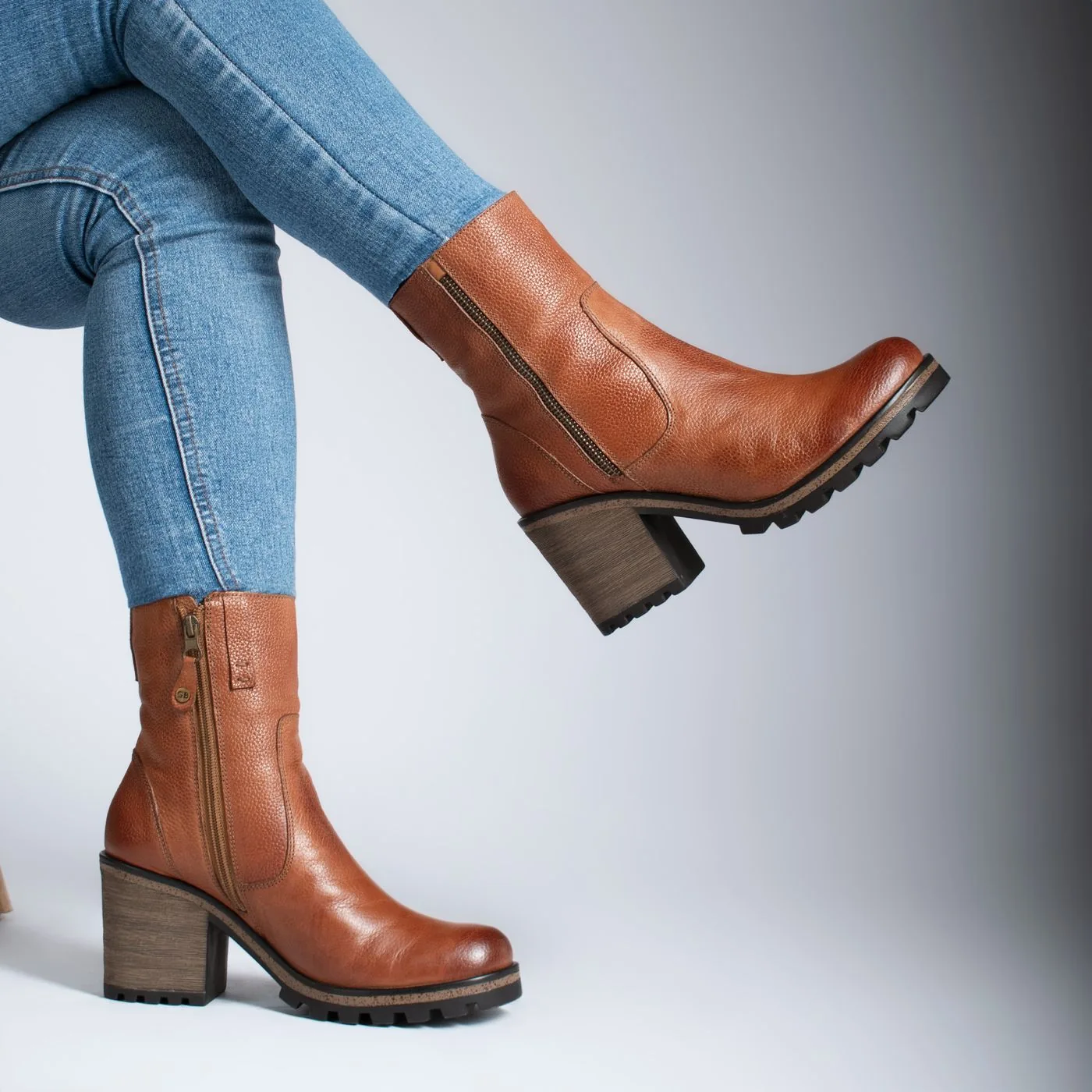
Put on the jeans with the boots fastened as you normally wear them. Let the leg fall into its natural position. Look at the front and side, paying attention to where the fabric meets the shaft and whether it catches at the top. This starting view helps you distinguish the garment's own length from an arrangement you have created by folding or tucking it.
Sit and stand again, then walk across a clear room. Notice whether the hem returns to the same position or needs to be released from the boot. A brief adjustment may be perfectly acceptable to you, but repeated catching is useful information. The aim is to choose a combination for wearing, not merely to achieve one still image with the hem carefully balanced.
Compare one alternative at a time
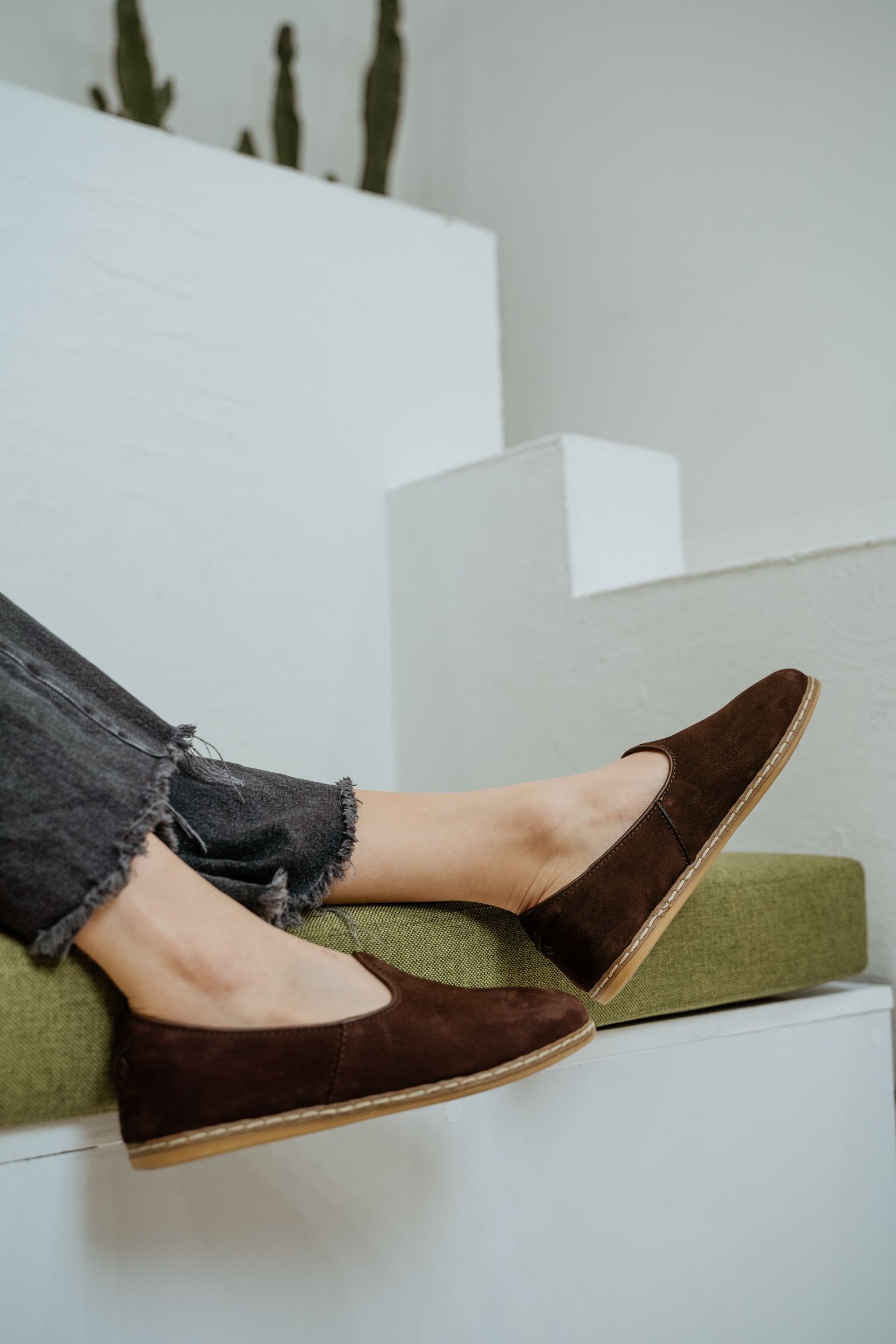
If you want to try a cuff, fold the hem in a way that feels appropriate for the jeans and compare it with the original position. Check both legs and view the whole outfit rather than focusing only on the small gap above the boot. A cuff can introduce a visible band of fabric that changes the balance, especially with a fitted leg.
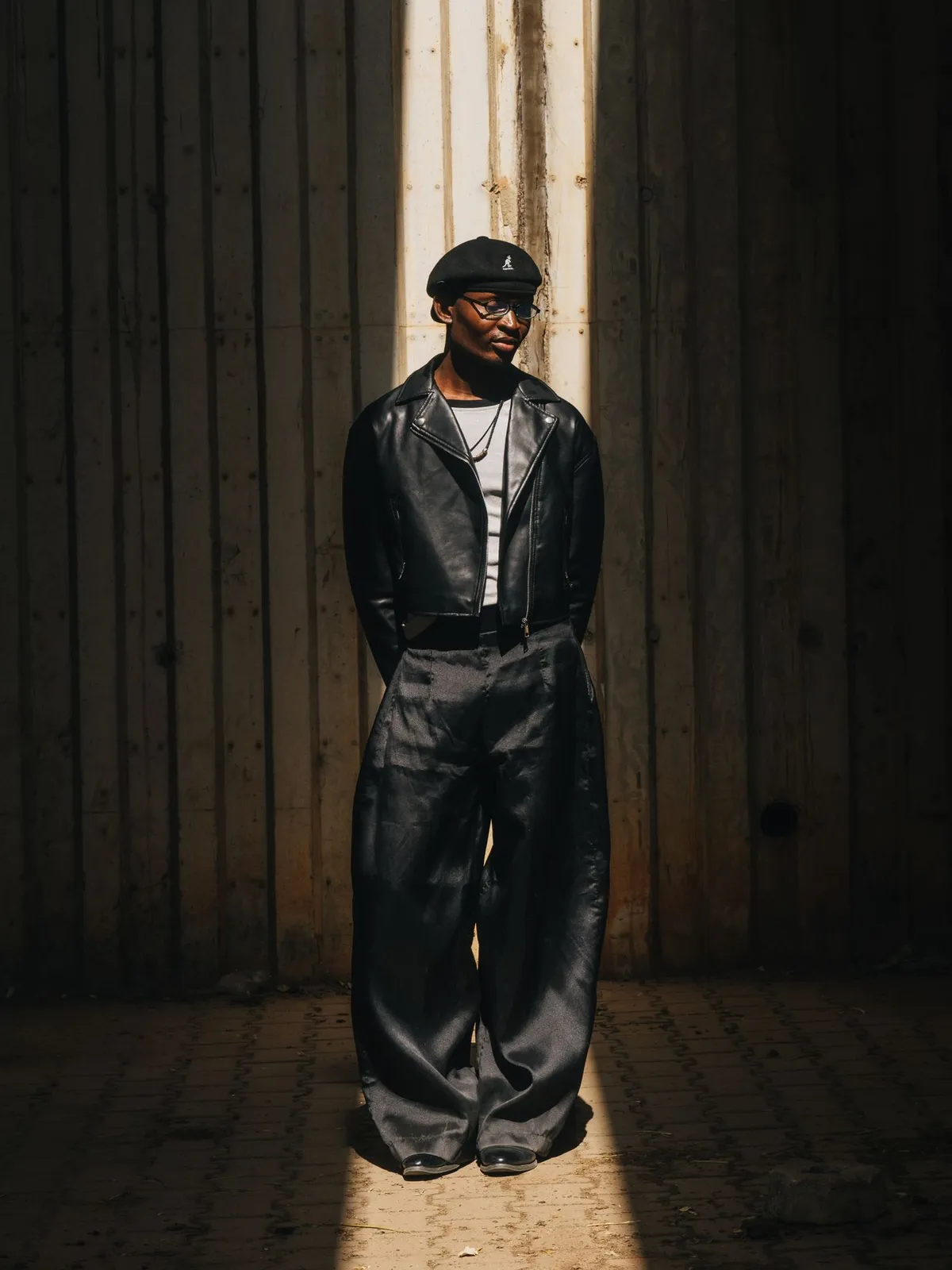
If the jeans are wider, examine how they fall over the shaft instead. Look for the shape you prefer from the knee down and consider the shoes' actual sole and heel. Avoid assuming that a boot's category or a jean's marketing name tells you how this particular pairing will behave. Two garments with similar labels can still meet in different places.
Judge the whole combination
Add the top and outer layer you plan to wear. A close view can make a small hem detail seem more important than it is in the complete outfit. Decide whether the meeting point supports the overall shape you wanted. If both versions work, keep them as separate options rather than searching for a single permanent answer.
Save a short note with the identities of the jeans and boots, including the cuff arrangement if you used one. For a different occasion or another pair of boots, repeat the comparison instead of copying the same fold automatically. The useful skill is noticing where these two pieces meet and how that relationship changes as you move. Once you have a settled pairing, getting dressed becomes much quicker without relying on a rigid rule about the exact amount of visible ankle.
Related reading
How to Match Shoe Proportions to Wide-Leg Trousers, Try Loafers with the Trouser Hem You Actually Wear.