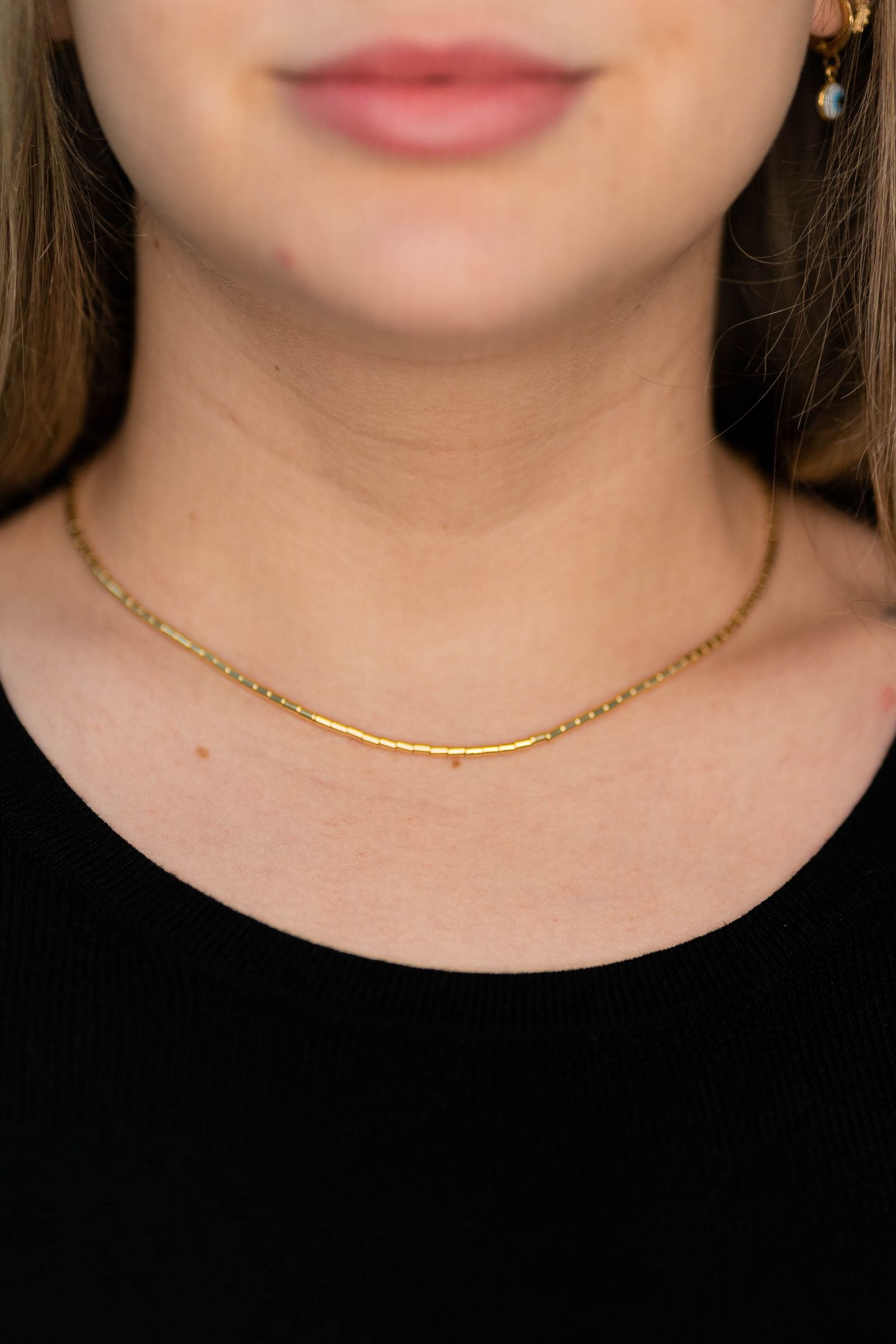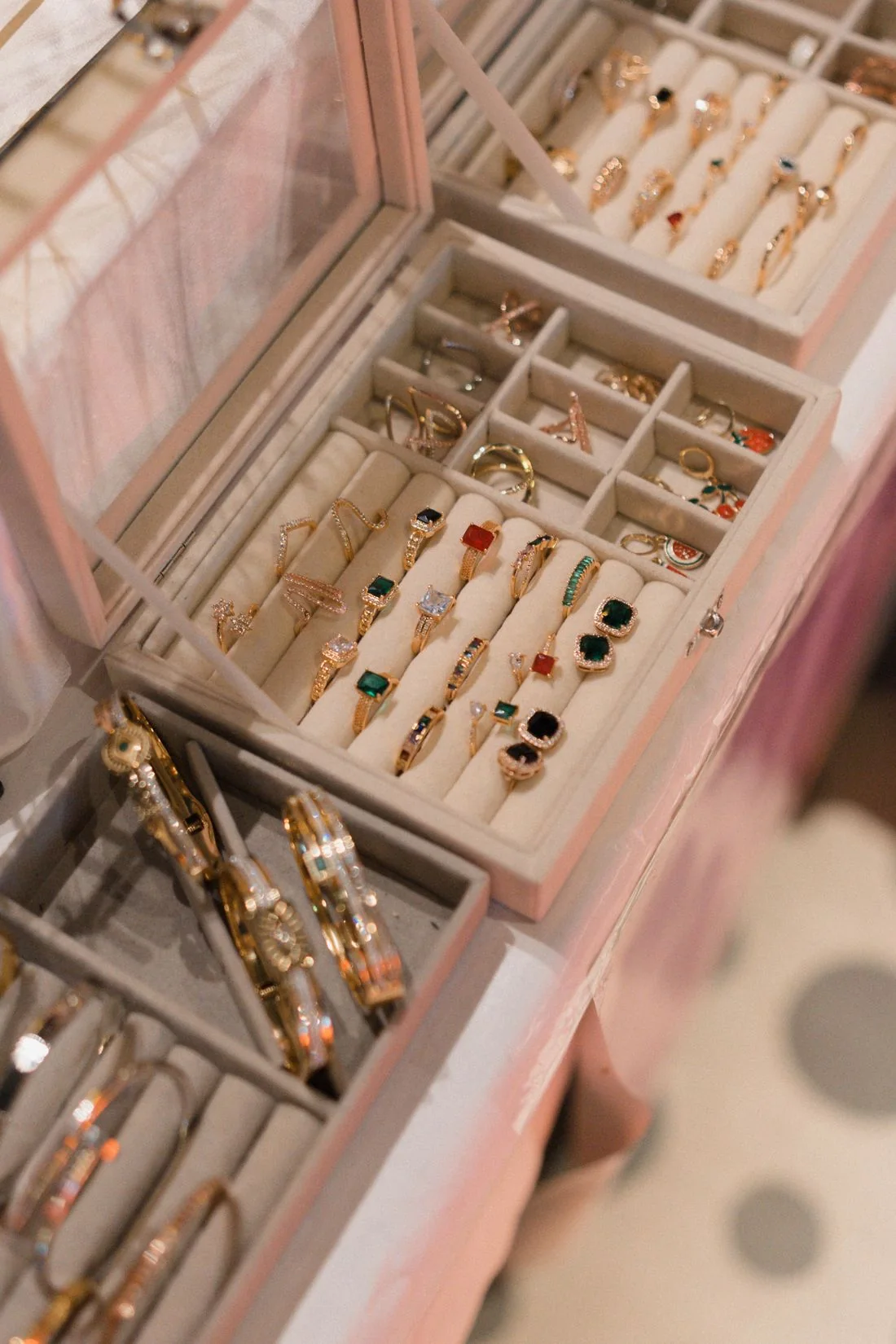
A jewellery loan can include more pieces than its most noticeable necklace or pair of earrings. A matching element, supplied pouch or other component may be easy to overlook when the item is passed between friends. Identify the actual contents together before the handover. The conversation should make the agreement understandable without turning a personal favour into an assumed promise about use, care or replacement.
Confirm what is being lent
Look at the actual pieces and describe them clearly. Distinguish the loan from any item being given permanently or merely shown for comparison. Keep factual material, maker and care information tied to reliable records rather than using appearance as proof. A familiar description may be enough to identify the piece privately.
Include relevant accompanying components if they are part of the arrangement. Do not assume that a decorative box or detachable element belongs to the loan simply because it is nearby. Ask the owner which pieces and supplied information should travel together, then keep that group understandable.
Discuss the intended use
Explain the actual occasion and ask whether the owner is comfortable with the proposal. Follow the jewellery's appropriate care and use instructions. The borrower should be able to decline if an important condition cannot be met. A valued friendship does not establish that every personal item is suitable for every event.
The necklace-clasp guide offers a reminder to check the working parts as well as the front view. If a fastening or condition question is uncertain, pause the loan and seek suitable assessment rather than relying on an improvised fix to make the arrangement proceed.
Keep the record proportionate and private
A concise agreed description or appropriate photograph can help identify the contents, but obtain the relevant agreement before making or sharing an image. Avoid including unnecessary personal information, private storage locations or sensitive purchase records. The practical purpose is to recognise the loan, not to create a public catalogue of someone else's possessions.
Discuss relevant responsibilities before the handover instead of assuming both people mean the same thing by taking care of it. Where a consequential insurance, valuation or legal question matters, use appropriate professional guidance. This ordinary organisation method does not determine those obligations or guarantee protection.
Agree the return as part of the loan
Set a workable return arrangement and clarify what to do if the occasion or journey changes. Keep the items associated appropriately and follow the actual instructions for handling and transport. The borrower should not have to guess whether a supplied container must come back or how the owner wants the handover completed.
The borrowed-clothing return guide treats returning as part of the initial agreement rather than a later afterthought. Use the same clarity here. Compare the agreed pieces at the return and discuss any concern honestly. A well-understood loan leaves both people able to recognise what was shared and how the arrangement ends.